
Does a landlord have to provide heat? Minimum temperatures for rentals

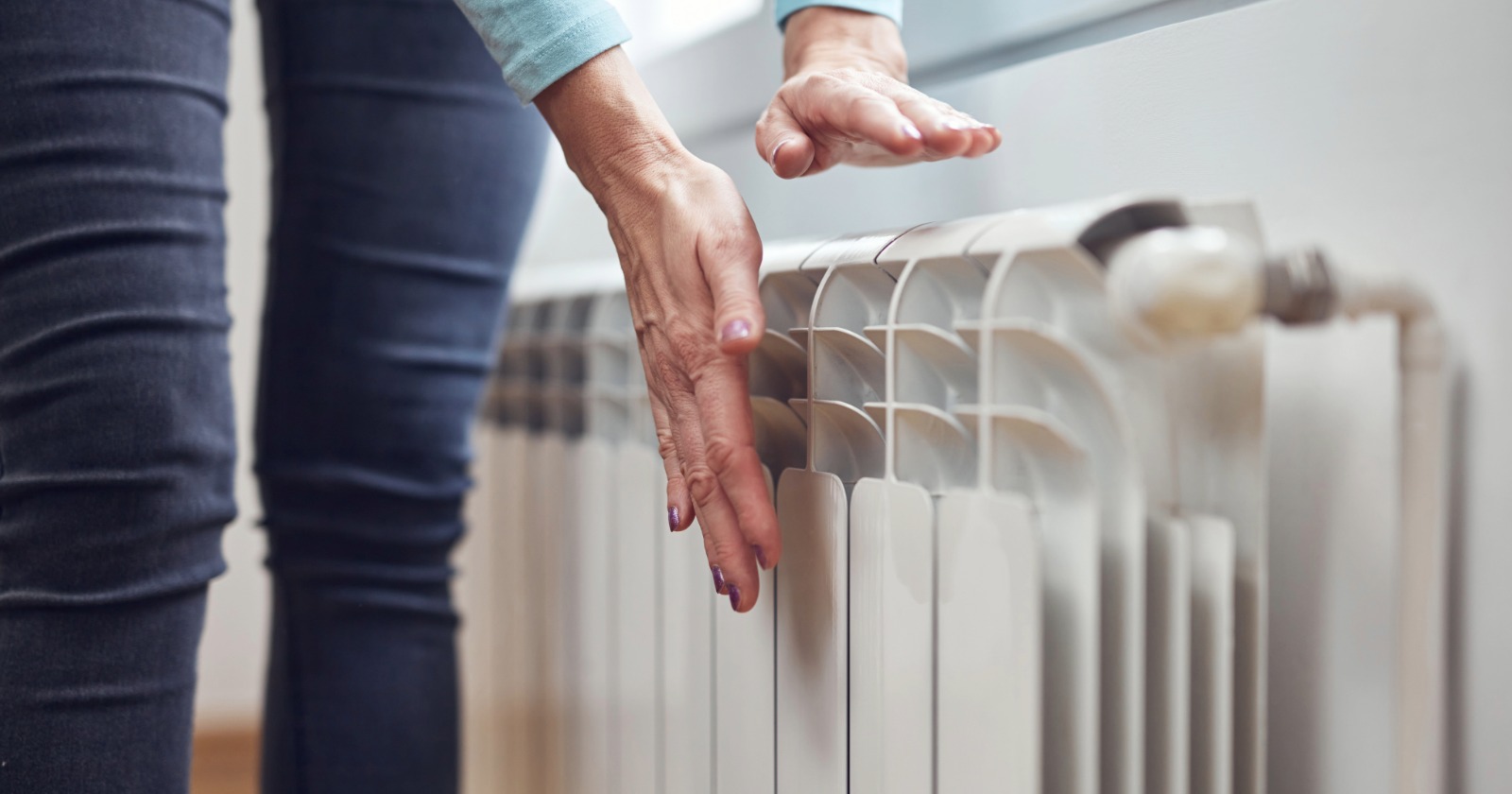
The heat goes out in January and the landlord says they'll get to it next week. Whether that's acceptable isn't a matter of courtesy. Working heat is part of a habitable home under the law in nearly every state, and in many cities the housing code sets a specific minimum indoor temperature during the cold months. A landlord who lets a unit sit cold for days is usually violating both.
The baseline comes from the implied warranty of habitability, the rule that a rental has to be fit to live in regardless of what the lease says. Heat is one of the core items courts and codes list alongside running water, working plumbing, and safe electrical wiring. A lease clause that has the tenant waive heat generally isn't enforceable. See the implied warranty of habitability.
Many cities go further and put numbers in the housing code. New York City is the most quoted example. Its heat season runs from October 1 through May 31. Between 6am and 10pm, when it's below 55 degrees outside, the inside temperature has to be at least 68 degrees. Between 10pm and 6am, it has to be at least 62 degrees no matter what the outside temperature is. Hot water is required all year. Other cities set their own season dates and temperatures, so the place to look is your city or county housing code, often summarized on the housing department's website.
When the heat goes out
Tell the landlord in writing, the same day, and keep a copy. A text or email works, and it starts the clock on a reasonable repair time. Note the indoor temperature with a thermometer and take dated photos. If the outage is in a cold snap, say so, since a reasonable repair time in freezing weather is much shorter than for a dripping faucet.
If the landlord doesn't act, call local code enforcement. In New York City that's 311, and an inspector can come out and record the temperature. Elsewhere it's usually the city or county housing or building department. A code violation on record is strong evidence if things go further.
Some states let tenants pay for an urgent repair and deduct it from the rent, after giving notice and waiting a set time. Others allow rent escrow or a rent reduction through the courts. Withholding rent without following your state's process gives the landlord an eviction case, so read the rules first. See repair and deduct. And if the landlord is the reason the heat is off, because they shut off the gas or electric to pressure a tenant, that's a self-help eviction, which is illegal everywhere. See lockouts and utility shutoffs.
Who pays for heat is a separate question from whether it has to work. The lease can make the tenant responsible for the gas or electric bill that runs the heat. It can't make the tenant responsible for a broken furnace the tenant didn't damage. See who pays the utilities.
Space heaters are a common stopgap, and landlords sometimes supply them during a repair. They're a temporary fix, not a substitute for a working system, and they draw a lot of power. Plug them directly into a wall outlet, keep them away from bedding and curtains, and don't run one overnight unattended.
Air conditioning is a different story. Most states and cities don't require it at all. A handful of local codes do require cooling or cap indoor temperatures in summer, and if the lease says the unit has air conditioning, the landlord generally has to keep it working once it's provided. Outside those cases, a tenant can't demand that a landlord install it.
Landlords can head most of this off by servicing the heating system before the season starts and stating in the lease how tenants should report repairs and how fast the landlord responds. A tenant who complains about a cold apartment is protected from retaliation in many states; see landlord retaliation.
Sources
Frequently Asked Questions
Is a landlord required to provide heat?
In nearly every state, yes. Courts and housing codes treat working heat as part of a habitable home, and many cities set a minimum indoor temperature during the heating season. A lease clause saying the tenant gives up heat generally does not hold up.
What is the minimum temperature a landlord must keep an apartment?
It depends on local code. In New York City, from October 1 through May 31, the inside temperature must be at least 68 degrees between 6am and 10pm when it is below 55 outside, and at least 62 degrees overnight regardless of the weather. Other cities set their own figures.
Does a landlord have to provide air conditioning?
Usually not. Most states and cities do not require air conditioning, though a handful of local codes require cooling or set a maximum indoor temperature. If the lease says the unit comes with air conditioning, the landlord generally has to keep it working.
Along with his duties at YourBillofSale, Paul Oak covers residential real estate, landlord-tenant law, and rental documentation. With a background in property management and legal compliance, he breaks down the fine print that most renters and landlords skip over. His goal is simple: help people understand what they're signing before it becomes a problem.
View all posts →Create Your Lease Agreement
Need a lease agreement? Create one now for $7.99 - state-specific and professionally formatted.
Get Started - $7.99