
Repair and Deduct: When Tenants Can Fix and Bill the Landlord
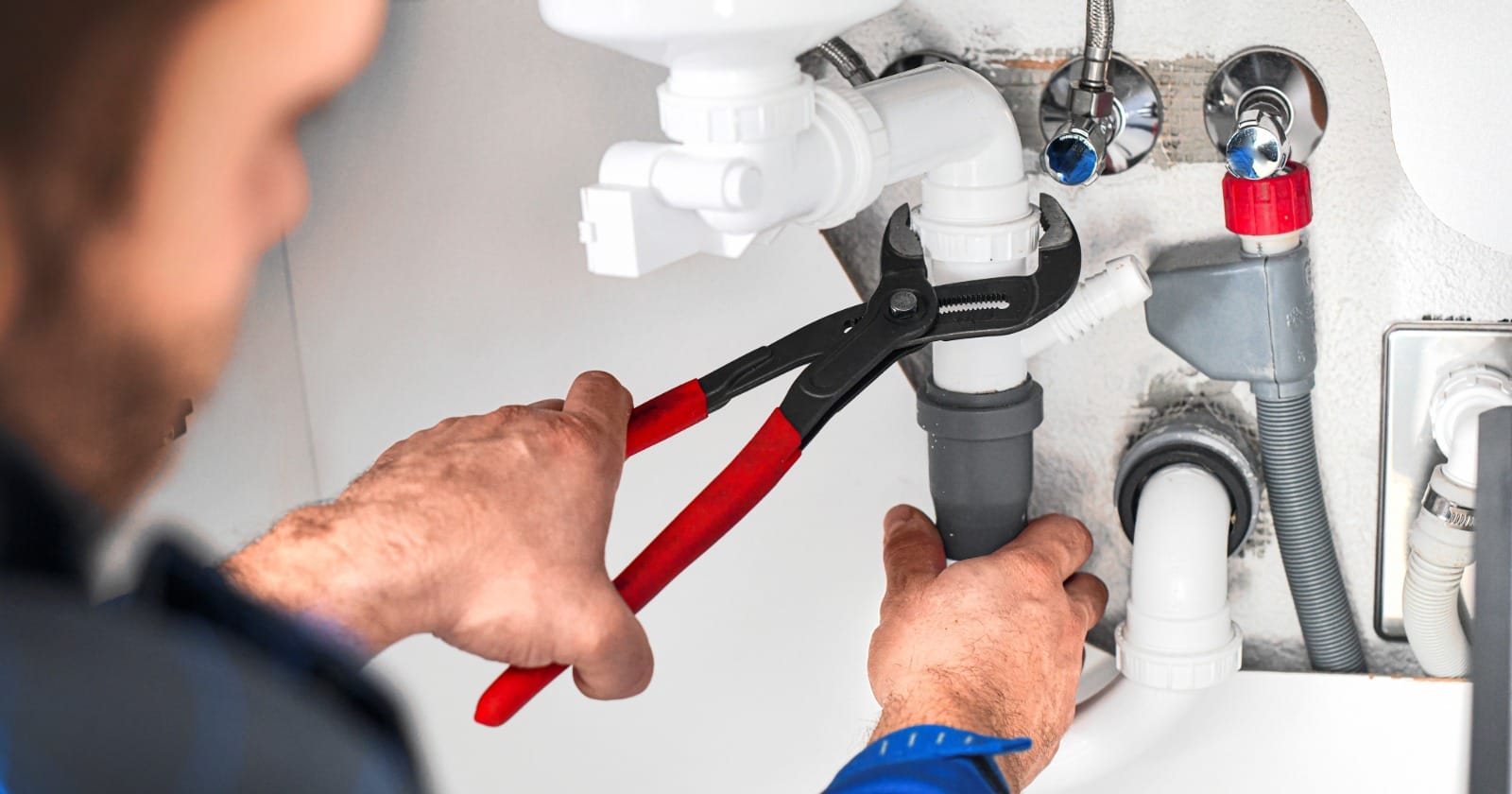
Heat dies in February. The landlord stops returning calls. The tenant calls a furnace tech, pays $800, deducts it from next month's rent, and waits to see what happens. In most states this is legal. In some states it is also a fast way to get evicted if any step is skipped. Here is how repair and deduct actually works.
The basic structure
Repair and deduct is a statutory remedy that lets a tenant pay for a habitability repair and offset the cost against rent. The structure varies by state but generally requires:
- The repair must be a habitability item (heat, water, structural, vermin, working locks)
- Written notice to the landlord describing the problem
- A reasonable time for the landlord to fix (urgency-dependent)
- A dollar cap (often one month of rent, sometimes less)
- A frequency cap (often twice or three times per year)
- Receipts and documentation of the repair
State examples
- California: up to one month's rent, twice per 12-month period. Notice and reasonable time required.
- Texas: tenant must send 2 written notices and the issue must materially affect health or safety.
- Florida: tenant can withhold rent (different from repair and deduct) after 7 days written notice for habitability.
- New York: implied warranty of habitability allows rent abatement through court, less commonly direct deduct.
- Massachusetts: permitted up to 4 months' rent over 12 months for code violations.
Always confirm current state law. Some cities (Seattle, San Francisco, NYC) have additional local rules.
What counts as a habitability repair
- No heat (typically below 60-65 F minimum, varies by state)
- No hot water
- No running water at all
- Sewer backup or active plumbing leaks
- Roof leak causing damage to interior or belongings
- Broken exterior locks or windows that cannot secure the unit
- Pest infestation (rodents, roaches, bedbugs in many states)
- Mold from a building defect (not from tenant moisture)
- Electrical hazards (sparking, no power to half the unit)
What does NOT qualify
- Cosmetic issues (worn carpet, peeling paint that is not lead)
- Appliance failures unless the lease says appliances are included
- Tenant-caused damage
- Inconvenience items (slow drains, squeaky doors)
- Aesthetic preferences
The notice the tenant must send
For repair and deduct to be valid, the notice should include:
- Date
- Specific problem and its location
- When it was first noticed
- Request to fix within a stated reasonable time
- Statement that if not fixed, the tenant will arrange repair and deduct from rent under state law
- Method of delivery (certified mail and email both, ideally)
Verbal complaints generally do not count. Even text messages may be insufficient in court.
Reasonable time to fix
Reasonable scales with urgency:
- No heat in winter or no water: 24 hours or less
- Active leak: 24-48 hours
- Pest infestation: 3-7 days
- Broken appliance (lease-included): 7-14 days
- Non-urgent code violation: 14-30 days
Document attempts to reach the landlord by call, text, and email with timestamps.
Choosing a repair vendor
The repair must be reasonable in scope and price. Best practices:
- Get 2 quotes if time allows
- Hire a licensed tradesperson (not a friend)
- Pay by check or card so there is a record
- Keep receipts, before and after photos, and the work order
- Pick the lowest reasonable bid, not the cheapest possible
How to deduct
Pay rent minus the repair cost (capped at the state limit). Send the landlord a clear accounting:
- Original rent: $X
- Less repair under [statute]: $Y
- Net rent paid: $Z
Attach copies (not originals) of the notice, the receipts, and the photos. Send certified mail or with delivery tracking.
Risks for tenants
- If the repair was not actually a habitability issue, the deduction is invalid and the landlord can serve a pay-or-quit notice
- If the price was unreasonable, the court reduces the credit
- If notice was insufficient, the deduction is invalid
- Some leases require the landlord's designated vendor; using your own may waive the deduction
Risks for landlords
- Ignoring habitability calls leads to repair-and-deduct, code complaints, and possible rent abatement
- Code violations cited by the city can fund the tenant's case
- Retaliating against a tenant who exercises repair-and-deduct rights triggers separate penalties in most states
- Insurance may not cover damage that resulted from delayed repair
Better practice for both sides
Landlord: maintain a 24-hour emergency line, a written procedure for habitability requests, and a relationship with a licensed plumber, electrician, and HVAC tech. Most repair-and-deduct disputes start because the landlord went silent.
Tenant: write everything, photograph everything, and try once more before deducting. Most landlords prefer to fix and stay in control over reading a deduction notice in the mail.