

Paul Oak
Along with his duties at YourBillofSale, Paul Oak covers residential real estate, landlord-tenant law, and rental documentation. With a background in property management and legal compliance, he breaks down the fine print that most renters and landlords skip over. His goal is simple: help people understand what they're signing before it becomes a problem.
Articles by Paul Oak

Removing a guest who will not leave in Georgia
In Georgia, the way you remove someone depends on whether they are a tenant, a guest, or an intruder. Here is how the dispossessory process and the squatter affidavit process work, and why changing the locks backfires.

Rent receipts: when a landlord has to give one
Some states require a rent receipt for every cash payment and any other payment on request. Here is what a compliant receipt shows and why it decides eviction cases.

Week-to-week tenancies: How much notice to end one
Paying rent weekly with nothing signed still creates a real tenancy. Here is the notice each side owes, why timing matters, and how to end it cleanly.

What happens to a tenant's pets when the tenant dies
Pets pass with the estate, which moves in weeks, while an animal needs food today. What landlords, families, and executors should do in the first days.

Parking, vehicles, and towing rules in a lease
Assigned spaces, guest parking, inoperable cars, and the signage many states require before a tow. What the lease should say so a tow does not turn into a dispute.

Repair and deduct: When a tenant can legally fix it and subtract the cost
When a landlord ignores an urgent repair, the repair-and-deduct remedy lets a tenant fix it and subtract the cost. Here are the steps, the caps, and the risks.

How long your landlord has to return your security deposit, by state
State law gives your landlord a firm deadline to return your security deposit, anywhere from 14 to 60 days. Here is the clock in every state and how to enforce it.
Who pays for what: utilities, repairs, and services in a rental
An allocation reference for leases: which utilities and services belong to each side, where the repair line falls, and the one duty a lease cannot move.
The fastest way to catch a fake pay stub is the bank statement
A San Francisco survey found 85 percent of landlords worried about fraudulent applications and 28 percent out at least $5,000. Here is the verification method that catches forged stubs, fake references, and borrowed identities before anyone signs.

How to prorate rent when a tenant moves out mid-month
The final month of a tenancy rarely lines up with the calendar. Here is how to pick a day count, run the math both common ways, and handle the refund you owe when rent was already paid in full.

Renting to a Section 8 tenant: how the voucher changes the lease
A Housing Choice Voucher adds an inspection, a HAP contract with the housing authority, and a federal tenancy addendum to your lease. Here is what each one changes and what stays the same.

Landlord retaliation: what counts, and how the law protects you
A landlord who raises rent, cuts services, or starts an eviction because a tenant complained or asserted a right is retaliating. Here are the protected activities, the presumption windows, and the remedies.

How to write a notice to vacate letter (and when to send it)
A notice to vacate letter takes ten minutes to write. Timing it correctly is the hard part. Here is what the letter must say, how much notice your state expects, and how to prove it was delivered.

Can a landlord keep prepaid rent when a tenant leaves early?
Prepaid rent is not a forfeitable deposit. What happens to advance rent when a tenant breaks the lease, and how the duty to re-rent limits what a landlord keeps.

Holdover tenants: What happens when you stay past the lease end
Staying past your lease end makes you a holdover tenant. Depending on the state, the tenancy can convert to month-to-month or trigger an eviction. Here is how it works.
Lease vs Rental Agreement: Are They the Same Thing?
A lease and a rental agreement often mean two different things. Here is the real difference, what changes for each side, and which one to use.

How to Replace or Remove a Roommate Mid-Lease
One roommate leaving before the lease ends does not end their liability. Here are the three documents that move a name off a joint lease, and who stays on the hook.

Vermont Lease Agreement Requirements: What Landlords Must Include
Vermont implies a set of landlord and tenant duties into every rental agreement, written or not. Here is what state law already requires and what your written lease still needs to spell out.

Can a Landlord Charge Last Month's Rent Plus a Security Deposit?
Last month's rent and a security deposit are not the same thing, and some states count them together toward a legal cap. Here is how to charge both correctly and write it into the lease.
Rent Control and Rent Stabilization: Where It Actually Exists
Rent control exists in far fewer places than most people assume, and most states forbid it outright. Here is where local rent regulation is allowed, where it is preempted, and how stabilization differs from control.

When a Tenant Abandons the Unit: What a Landlord Can and Cannot Do
A quiet unit is not proof of abandonment, and acting too soon can turn a landlord into the wrongdoer. Here is how to tell real abandonment from a tenant who is simply away, and the safe way to reclaim the unit.
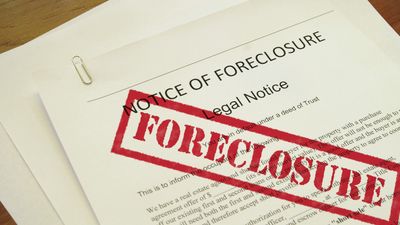
Tenant Rights When the Rental Goes Into Foreclosure
When a landlord loses the property to foreclosure, the tenant does not automatically lose the home. A federal law lets most leases survive and guarantees at least 90 days of notice. Here is how it works.

24 States Let Your Landlord Charge Any Security Deposit They Want
Half the country sets no legal ceiling on security deposits. We reviewed all 50 states and DC to find where the limit exists, where it does not, and what actually protects you when the law will not.
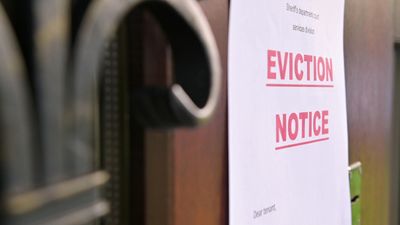
How to Evict a Tenant: The Legal Eviction Process, Step by Step
A plain-English walkthrough of the lawful eviction process for landlords: valid grounds, written notice, filing the lawsuit, the hearing, the writ, and the hard rule against self-help.
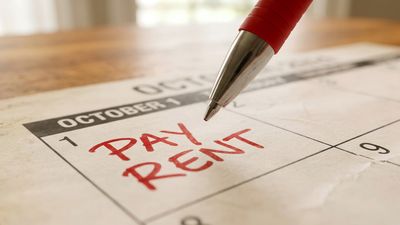
In 36 States, Your Rent Is Legally Late the Day It Is Due
Most renters assume a grace period is the law. We reviewed all 50 states and DC: only 15 states guarantee one. In the other 36, rent is late the day after it is due unless your lease says otherwise.

What a Move-Out Inspection Should Cover
A thorough move-out inspection protects the deposit refund for both sides. Here is what to check, how to document it against the move-in record, and how to handle deductions fairly.

What Happens to Your Security Deposit When the Rental Is Sold
When your rental changes owners mid-lease, your deposit does not disappear. Here is how it transfers, what the new owner owes you, and what you should document to protect it.
How Much Can I Charge for Rent? A Landlord's Guide to Pricing a Rental
How to set a rent price that fills the unit and covers your costs: local comps, the 1% guideline, HUD Fair Market Rent as a reference, condition adjustments, and rent-control limits.
Sublease vs Assignment: What Is the Difference?
A sublease and an assignment both bring a new person into a rental, but they split liability in very different ways. This guide explains who stays responsible, when landlord consent is needed, and how to choose the right one.

How to Legally Screen a Tenant: What You Can and Cannot Ask
A practical walkthrough of tenant screening that keeps you inside the Fair Housing Act and the Fair Credit Reporting Act, from the application to the adverse action notice.

South Carolina Lease Agreement Requirements: What to Include
A South Carolina lease is governed by the state Residential Landlord and Tenant Act, which sets specific rules for deposits, disclosures, and notice. This guide explains what to include so your lease matches South Carolina law.

New York Sublease Agreement: The Rules Tenants and Landlords Must Know
New York gives many tenants a statutory right to sublease, but that right comes with a precise procedure. This guide explains Real Property Law 226-b, the consent rules, the written request steps, and why the original tenant stays on the hook.
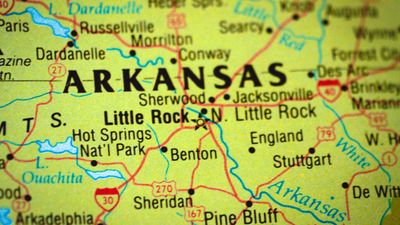
Arkansas Lease Agreement Requirements: What Landlords Must Include
Arkansas treats landlords and tenants differently than most states, and a few of those differences show up directly in the lease. This guide walks through the deposit cap, the small-landlord exemption, disclosures, and notice periods so your Arkansas lease holds up.

What HUD Fair Market Rent Is and How to Use It to Price Your Rental
HUD publishes a Fair Market Rent figure for every area in the country, and many landlords misread it as a rent cap. It is not. Used correctly, FMR is one useful reference point for pricing your rental, not a ceiling on what you can charge.

Washington DC Month-to-Month Lease: Notice and the Rules Landlords Miss
A DC month-to-month tenancy is not the easy off-ramp landlords expect. The 30-day notice is only half the story, because DC generally requires a legal for-cause reason to end even a month-to-month arrangement. Here is what trips owners up.

Are Lease Options and Rent-to-Own Agreements Legal in Texas?
Rent-to-own deals are legal in Texas, but the state regulates them more tightly than almost anywhere else. If your agreement is an executory contract for conveyance, strict disclosure and recording duties kick in. Here is what that means for sellers and buyers.

Ohio Lease Agreement Requirements: What Landlords Must Include
Ohio gives landlords more room than many states, with no statewide rent control and no cap on security deposits, but that freedom comes with specific duties that trip up landlords who assume the lack of limits means a lack of rules. Here is what an Ohio lease has to get right.

What Happens to a Lease When the Tenant Dies?
A lease does not simply vanish when a tenant passes away. The obligation usually moves to the tenant's estate, and many states give the estate a written way to end the lease early. Here is how rent, the deposit, and belongings get handled.

What Landlords Must Disclose About Mold and Lead Paint
Two disclosures sit in a category of their own because one is federal law with real penalties and the other is a growing patchwork of state rules. Get the lead paint disclosure wrong on an older home and the fines are severe. Mold is murkier, but ignoring it is its own risk.

Can You Have Two Tenants on One Lease? Joint and Several Liability Explained
When roommates sign one lease, a phrase most of them never notice decides what happens if one stops paying. Joint and several liability means each tenant can be held responsible for the entire rent, not just their share. It is the most important clause nobody reads.

How to Write a Pet Addendum for Your Lease
Letting a tenant keep a pet without putting the terms in writing is how a friendly yes turns into a chewed door and an argument over who pays. A pet addendum spells out the rules, the fees, and the consequences, so everyone knows where they stand before the dog moves in.
How to Write a Sublease Agreement That Protects You
Subleasing can rescue you from paying for an apartment you are not using, but it can also leave you on the hook for a subtenant who stops paying or trashes the place. In a sublease you stay responsible to your landlord for everything, which is exactly why the agreement has to be built to protect the original tenant.

Can a Landlord Enter Without Notice? Tenant Rights by State
Your landlord owns the building, but once you sign a lease, the right to enter is not unlimited. A legal right to privacy comes with the tenancy. Here is when a landlord can come in, how much notice they owe you, the one situation where they can walk in unannounced, and what to do if they overstep.

New York Lease Agreement Requirements: What Landlords Must Include
New York rewrote much of its rental rulebook with the Housing Stability and Tenant Protection Act, and the changes reach every residential lease in the state. A lease drafted from an out-of-state template or an old form can quietly violate current law, and in New York that is an expensive thing to get wrong.

How to Create a Lease Agreement Online (And Make Sure It Holds Up)
You can create a lease agreement online in a few minutes, and it is just as binding as one a lawyer drafts. The difference between a lease that protects you and one that doesn't comes down to what goes into it and whether it follows your state's rules. Here's how to get it right.
What Are the 4 Types of Leases?
When people search for the four types of leases, they usually mean the four ways a residential tenancy can be structured under landlord-tenant law. Each one creates a different relationship between landlord and tenant, with different rules for how long it lasts, how it ends, and what notice is required. Knowing which one you have, or which one you want, determines what document you need and what rights each side has...

What Happens If a Landlord Breaks the Lease?
Most lease discussions focus on what happens when a tenant violates the agreement. But landlords break leases too, and when they do, tenants have real legal remedies. A landlord who sells the property mid-lease, enters without notice repeatedly, fails to make required repairs, or tries to force a tenant out without going through proper eviction procedures is in breach of the lease. What the tenant can do about it depends on how serious the breach is, what the lease says, and what state the property is in...

Can a Landlord Say No to an Emotional Support Animal?
A no-pets policy does not apply to emotional support animals. That is the short answer. The longer answer is that landlords can say no in a small number of specific situations, and understanding where those exceptions start and stop is important for both sides of a lease. Getting this wrong is expensive. A landlord who denies a legitimate ESA request can face a federal Fair Housing Act complaint, civil liability, and HUD investigation. A tenant who misrepresents documentation to obtain ESA accommodation is committing fraud...
NCGS § 42-14 Explained: What North Carolina's 7-Day Notice Rule Means for Landlords and Tenants
Most landlords and tenants in North Carolina assume month-to-month rentals require 30 days notice to terminate. That assumption is wrong, and it catches people off guard in both directions. The actual statutory minimum under North Carolina General Statutes § 42-14 is seven days. Not 30. Not 15. Seven days notice is all that is required to end a month-to-month tenancy in North Carolina, making it one of the shortest termination notice periods of any state in the country...

How Long Can a Guest Stay Before Becoming a Tenant in Georgia?
Georgia law does not set a specific number of days after which a guest automatically becomes a tenant. There is no statute that says 14 days, 30 days, or any other fixed threshold. What Georgia law does recognize is that when a person establishes residency in a rental unit, they may acquire tenant rights regardless of whether they are named on the lease or have any formal agreement with the landlord. The line between guest and tenant is behavioral, not just calendrical, and the lease is the document that defines it...

What to Include in a Lease for a Furnished Rental
Renting a furnished unit creates a layer of complexity that a standard lease is not built to handle. The furniture and appliances are your property. They are inside the tenant's home. When something breaks, gets damaged, or goes missing, the question of who is responsible comes down entirely to what the lease says about it. A standard residential lease template addresses the unit. A furnished rental lease has to address everything inside it too...

Can a Landlord Require Renters Insurance in the Lease?
Yes, a landlord can require renters insurance as a condition of the lease in every U.S. state. There is no federal law prohibiting it and no state that bans the practice. If the lease says the tenant must carry renters insurance, maintain a minimum coverage amount, and provide proof of the policy within a specified number of days, those are enforceable lease terms the same as any other...

The Tax Reason Landlords Should Always Use a Lease When Renting to Family
Most landlords who rent to a family member do it to help. They charge a little less than market rate, skip the formal application process, and skip the lease because it feels unnecessary between people who trust each other. That informal approach has a tax consequence most people never see coming until they are sitting across from their accountant or getting an IRS notice.

How a Lease Agreement Protects the Landord
A lease agreement is not paperwork for its own sake. It is the document that determines whether a landlord can enforce their terms, keep a deposit, remove a non-paying tenant, or recover damages in court. Without it, or with a bad one, every one of those situations becomes harder to win and easier to lose...

What Landlords Can Do When a Tenant Refuses to Pay for Damage
You documented the damage. You applied the security deposit. There is still a balance the tenant owes and they are not paying it. This is where a lot of landlords give up, write off the loss, and move on. That is sometimes the right call. But it is often not the only option, and understanding what you can actually do changes the calculation...
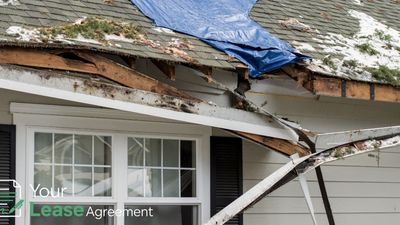
My Tenant Damaged My Property: A Landlord's Step-by-Step Guide
Discovering that a tenant has damaged your rental property is one of the more frustrating situations a landlord faces. The emotional reaction is understandable. The financial exposure is real. But how a landlord handles the situation from the moment they discover the damage determines whether they recover their losses or end up worse off than if they had done nothing at all...

North Carolina Lease Agreement: What Landlords and Renters Need to Know
North Carolina sits firmly in the landlord-friendly column of U.S. rental law. There is no statewide rent control, no mandatory notice period before entering a rental unit, and eviction timelines are among the faster ones in the country. But landlord-friendly does not mean no requirements. The North Carolina General Statutes Chapter 42 governs all residential tenancies in the state and imposes specific rules on security deposits, required disclosures, late fees, and habitability that every lease needs to reflect. Miss them and the lease either fails to protect the landlord or actively works against them in a dispute...
Arizona Lease Agreement: What Both Sides Need to Know
Arizona sits comfortably in the landlord-friendly column of the national landlord-tenant spectrum. There is no statewide rent control, no cap on application fees, and no mandatory grace period before late fees kick in. But the Arizona Residential Landlord and Tenant Act, codified in ARS Title 33 Chapter 10, still imposes specific requirements on what a lease must contain, what disclosures are mandatory, and what lease terms are void regardless of what both parties agreed to. A generic lease template that misses these requirements does not become compliant just because a tenant signed it...

When a Tenant Asks to Fix Something: What Landlords Can and Cannot Do
A maintenance request from a tenant is one of the most routine parts of managing a rental property. It is also one of the most legally significant. How a landlord responds, how quickly, and what they actually fix, determines whether they are meeting their legal obligations or setting up a dispute that can cost far more than the original repair...
How to Tell If a Late Fee Violates State Law
Late fees are one of the most disputed line items in any tenancy. Tenants think they are being overcharged. Landlords think they are within their rights. Both sides are often guessing, because state law on late fees is specific, varies widely, and is rarely spelled out clearly in the lease itself...

Why Downloading a Free Lease Template Is a Bigger Risk Than You Think
Free lease templates are everywhere. A quick search returns dozens of them, downloadable in seconds, often formatted to look professional and complete. The problem is not that they are free. The problem is that a lease that looks finished can be missing exactly the things that matter when something goes wrong. Here is what free templates typically get wrong and what it actually costs when they fail...

Room Rental Agreement in Texas: What to Put in Writing
Renting out a room in Texas is common, whether it is a homeowner leasing a spare bedroom, a landlord renting individual rooms in a house, or tenants subletting part of their space. The arrangement is simple enough in practice. In writing, it requires more thought than most people give it...
Do You Need a Lease Agreement for a Month-to-Month Rental in Florida?
Florida does not require a written lease for month-to-month rentals. A verbal agreement is legally valid for tenancies under one year, and plenty of landlords operate that way, especially when a fixed-term lease expires and neither party gets around to signing a new one. But "legal" and "protected" are two different things. Without a written agreement, both sides are exposed to disputes that a single piece of paper would have prevented...
Why a Formal Lease Agreement Matters and What to Look for Before You Sign
Here is why a formal written lease matters and what you actually need to look at before you put your name on it...
Pennsylvania Lease Agreement Requirements for Landlords
Here is what Pennsylvania landlords are required to put in a lease...

How to Price Your Rental Property to Attract Tenants and Stay Competitive
Setting the wrong rent price is one of the most expensive mistakes a landlord can make. Price too high and the unit sits vacant while the right tenants sign leases down the street. Price too low and you leave real money on the table every single month, compounded over the entire lease term. Getting the number right requires more than a gut feeling or a single Zillow search. It requires a systematic look at your market, your property, and your costs...

Georgia Lease Agreement: What Landlords and Renters Need to Know
Georgia has a reputation as one of the more landlord-friendly states in the country, and that reputation is mostly earned. There is no statewide rent control, no mandatory just cause requirement for evictions, and local governments are barred by state law from enacting their own rent control ordinances. But Georgia is not a free-for-all. A series of significant updates took effect in 2024 and 2025 that changed some of the rules landlords and tenants have operated under for years. If you are renting in Georgia, either side of the lease, here is what the law actually requires....
What Landlords Can Do When a Tenant Wants to Break the Lease Early
Here is what landlords need to know when a tenant wants out before the lease ends...

Why Landlords and Renters need a Lease Agreement
Most of the conflict in landlord-tenant relationships comes down to one thing: a disagreement about what was agreed to. The tenant says the landlord promised to handle pest control. The landlord says repairs to the dishwasher are the tenant's problem. Nobody can prove what was said because nothing was written down. A lease agreement exists to prevent exactly this...

Texas Lease Agreement Requirements: What Landlords Must Include
Texas is one of the most landlord-friendly states in the country when it comes to things like rent control and security deposit limits. But that does not mean landlords can put together any lease and call it done. Texas Property Code Chapter 92 lays out specific requirements for what must appear in a residential lease, what disclosures are mandatory, and what rights tenants cannot be asked to waive...
What Happens If You Rent Without a Lease Agreement?
Some rental arrangements start without a written lease. A landlord lets a friend move in on a handshake deal. A lease expires and neither party bothers to renew it. A tenant keeps paying rent month after month after the original agreement ends. These situations are more common than most people realize, and they come with real legal consequences for both sides...
Red Flags in a Lease Agreement Every Renter Should Know
Most renters sign a lease in a hurry. You found a place you like, you want to lock it in before someone else does, and the paperwork feels like a formality standing between you and the keys. That mindset is exactly how people end up stuck in bad rental situations for a year or more...
Required Disclosures Every Lease Agreement Must Include in Your State
Signing a lease without the right disclosures is not just an oversight. In many states, it is a legal violation that can expose a landlord to fines, lawsuits, or even a tenant's right to walk away from the lease entirely. Disclosure requirements exist to make sure tenants know what they are getting into before they sign. The problem is that...
Security Deposit Rules by State: What Landlords Can and Can't Keep
Security deposits are one of the most argued topics in landlord-tenant law. Tenants want their money back. Landlords want protection for damages. And somewhere in between, state law draws the line. The problem is that line looks different depending on where the rental property sits...