
Why a Formal Lease Agreement Matters and What to Look for Before You Sign

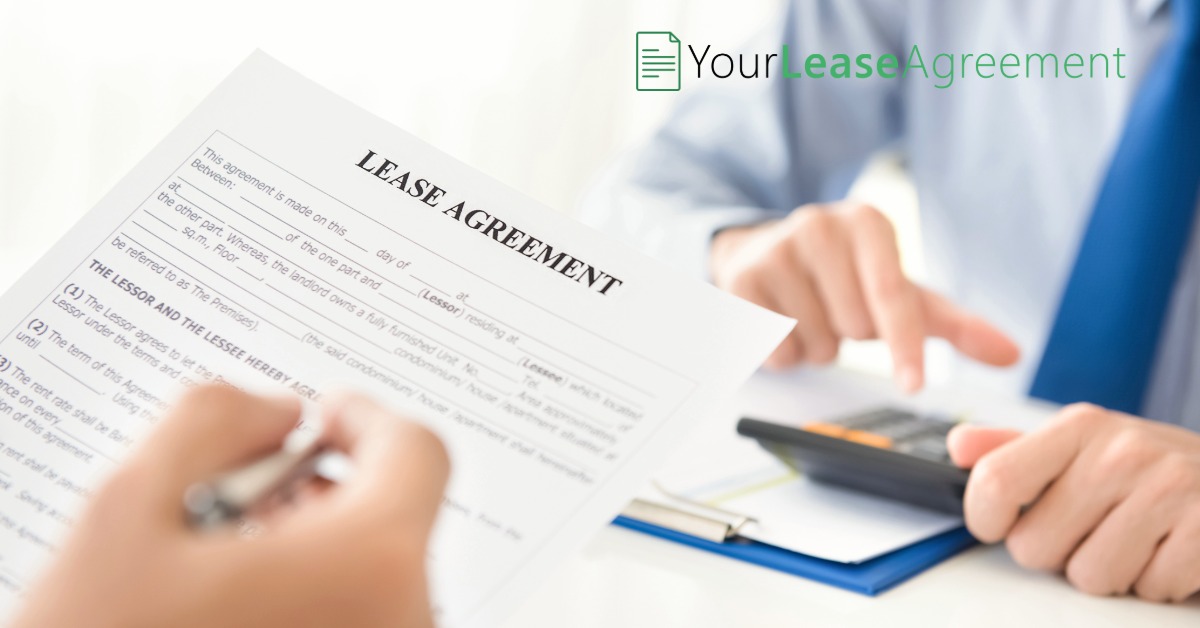
Most people spend more time reading the terms on a phone upgrade than they do reading a lease agreement. That is a problem, because a phone contract does not determine where you live, what it costs you to leave early, or whether you can get your $2,000 deposit back in three years. A lease does all of those things. And once you sign it, you have agreed to every line whether you read it or not.
Here is why a formal written lease matters and what you actually need to look at before you put your name on it.
Why a Verbal Agreement Is Not Enough
A handshake deal or a verbal agreement between a landlord and tenant is legally binding in most states for tenancies of one year or less. Courts have upheld oral leases. But a verbal agreement cannot be referenced, printed, or shown to a judge. It only exists in the memories of two people who will almost certainly remember it differently the moment a dispute arises.
When a tenant says the landlord promised to replace the water heater and the landlord says he said nothing of the sort, there is no way to resolve that without documentation. When a landlord tries to keep a security deposit and the tenant insists the apartment was left in perfect condition, whoever has better paperwork wins. A written lease is that paperwork. Without it, both sides are gambling on goodwill holding up for the entire length of the tenancy.
What a Lease Actually Does
A lease is a legally binding contract. It establishes the terms under which the tenant occupies the property and the landlord provides it. Once both parties sign, those terms are enforceable in court. That cuts both ways.
For landlords, the lease is the basis for collecting unpaid rent, making deposit deductions, enforcing house rules, and starting an eviction if necessary. Without a signed lease, each of those actions becomes harder to justify in front of a judge. For tenants, the lease locks in the rent for the full term, protects against unauthorized entry, establishes maintenance responsibilities, and gives you standing to push back on any term the landlord tries to change mid-tenancy. A lease that says rent is $1,500 per month cannot be rewritten to $1,800 in month three without your agreement. That protection exists only because of the written contract.
Before You Sign: What to Actually Read
Reading a lease is not exciting. But skipping sections is how you end up locked into an automatic renewal you did not want, paying a $200 early termination fee you did not know existed, or losing your deposit because a cleaning clause you never noticed said you owe professional carpet cleaning no matter the condition you left the unit in.
These are the sections that matter most.
The lease term and what happens at the end. Know the exact start and end date. Then find the section that explains what happens when the lease expires. Does it convert to month-to-month automatically? Does it renew for a full year if neither party gives notice by a specific date? Some leases require 60 or 90 days notice before the end of the term or you are automatically bound for another year. Mark that date before you file the lease away.
All the money you owe. The rent amount and due date are obvious. But read past those for anything else you are agreeing to pay. Pet fees, parking fees, storage fees, utility shares, amenity fees, and administrative fees all appear in leases. Add them up. The number on the listing is rarely the full monthly cost.
The security deposit terms. How much is it, what can the landlord deduct it for, and when does it have to come back? State law sets the return deadline, ranging from 14 days in New York to 30 or 45 days in other states. If the landlord misses the deadline, many states forfeit their right to make any deductions at all. The lease should reflect your state's actual rules. If it says the deposit is non-refundable, that language is illegal in several states regardless of what you signed.
Who handles what maintenance. Landlords are legally required to maintain a habitable unit in every state. That means working heat, plumbing, electrical systems, and structural safety. But plenty of other responsibilities are negotiable and spelled out in the lease. Who handles lawn care, snow removal, pest control, minor repairs, appliance maintenance? A lease that is silent on these things does not protect you when the dishwasher breaks and the landlord says it is your problem.
Entry notice requirements. The landlord owns the property but once you lease it, they cannot walk in whenever they want. Most states require advance written notice, typically 24 hours, before entry for repairs, inspections, or showings. Check what the lease says. If it is silent, ask what the policy is and get the answer in writing. A landlord who enters without notice is violating your right to quiet enjoyment of the property, and courts take that seriously.
What happens if you need to leave early. Life changes. Job relocations, family situations, and financial shifts happen during a lease term. What does the lease say about early termination? Some leases include a buyout clause that lets you exit by paying one or two months' rent as a fee. Others hold you responsible for every remaining month until a replacement tenant is found. Knowing what you agreed to before you need it is a lot better than finding out in the middle of a stressful move.
The pet policy. If the lease says no pets, that means no pets. A verbal agreement from the landlord saying "it's fine" does not override a written no-pets clause. If you have a pet or plan to get one, make sure the lease explicitly allows it. If the landlord agrees to allow a pet, get that permission in writing as a signed addendum to the lease, not as a text message that may or may not be retrievable later.
What You Can Negotiate Before You Sign
A lease is a contract, which means terms are negotiable before anyone signs. Not every landlord will budge on everything, but it is worth raising issues that matter to you before you commit. If the auto-renewal window is 60 days and you want it reduced to 30, ask. If the lease prohibits painting and you want to repaint the bedroom, ask for written permission to be included. If the landlord verbally promised to fix the broken garbage disposal before move-in, ask for that to be written into the lease as a condition of occupancy.
Once you sign, those opportunities close. Anything not in the written agreement is essentially unenforceable. The time to negotiate is before you hand over your deposit.
Why Generic Templates Create Real Problems
A lease pulled from a generic online source may look complete but often fails on the thing that matters most: compliance with the laws of the state where the property is located. Every state has its own landlord-tenant laws governing security deposit limits, required disclosures, late fee caps, notice periods, and tenant rights that cannot be waived. Florida requires a specific paragraph about radon gas in every lease, word for word as written in state law. California requires mold, bed bug, and Megan's Law disclosures. New York requires a Good Cause Eviction notice in every lease. Pennsylvania requires the deposit to be reduced from two months to one month at the start of year two. A generic template will not catch any of that.
A lease that violates state law does not just create compliance problems. It can make specific provisions unenforceable, expose landlords to penalties, and give tenants grounds to challenge the agreement in court. The state-specific requirements exist whether or not the lease acknowledges them.
Save the Lease and Keep It Accessible
Once the lease is signed, both parties should have a copy they can actually find. Digital is fine, a PDF you can access on your phone is better than a paper copy buried in a drawer. The lease will come up when you want to know your notice requirement before moving, when you dispute a deposit deduction, when you need to reference the entry notice policy, or when you want to confirm what the late fee is before your rent hits on day six instead of day one.
A lease you cannot find is nearly as useless as one you never had.
Start With a Lease Built for Your State
Whether you are a landlord putting together your first lease or a tenant reviewing one before signing, the starting point matters. A state-specific residential lease agreement is built around the actual legal requirements of your jurisdiction, including the required disclosures, deposit rules, and notice periods that apply where the property is located. That is the difference between a document that holds up and one that creates problems the moment someone tries to enforce it.
Frequently Asked Questions
Why is a written lease so important compared to a verbal agreement?
Because a verbal agreement only works until there’s a disagreement. Once that happens, it turns into one person’s memory versus another’s. A written lease gives you something concrete to point to when money, repairs, or responsibilities are disputed.
What does a lease actually protect for tenants?
It locks in the rent, defines what the landlord can and cannot do, and gives you enforceable rights. If the lease says $1,500 a month, the landlord can’t raise it mid-term without your agreement. That protection only exists because it’s written down.
What does a lease protect for landlords?
It’s the foundation for collecting rent, enforcing rules, and handling disputes. Without a signed lease, things like late fees, deposit deductions, or even eviction become harder to justify. The lease is what turns expectations into enforceable terms.
Along with his duties at YourBillofSale, Paul Oak covers residential real estate, landlord-tenant law, and rental documentation. With a background in property management and legal compliance, he breaks down the fine print that most renters and landlords skip over. His goal is simple: help people understand what they're signing before it becomes a problem.
View all posts →Create Your Lease Agreement
Need a lease agreement? Create one now for $7.99 - state-specific and professionally formatted.
Get Started - $7.99