
My Tenant Damaged My Property: A Landlord's Step-by-Step Guide

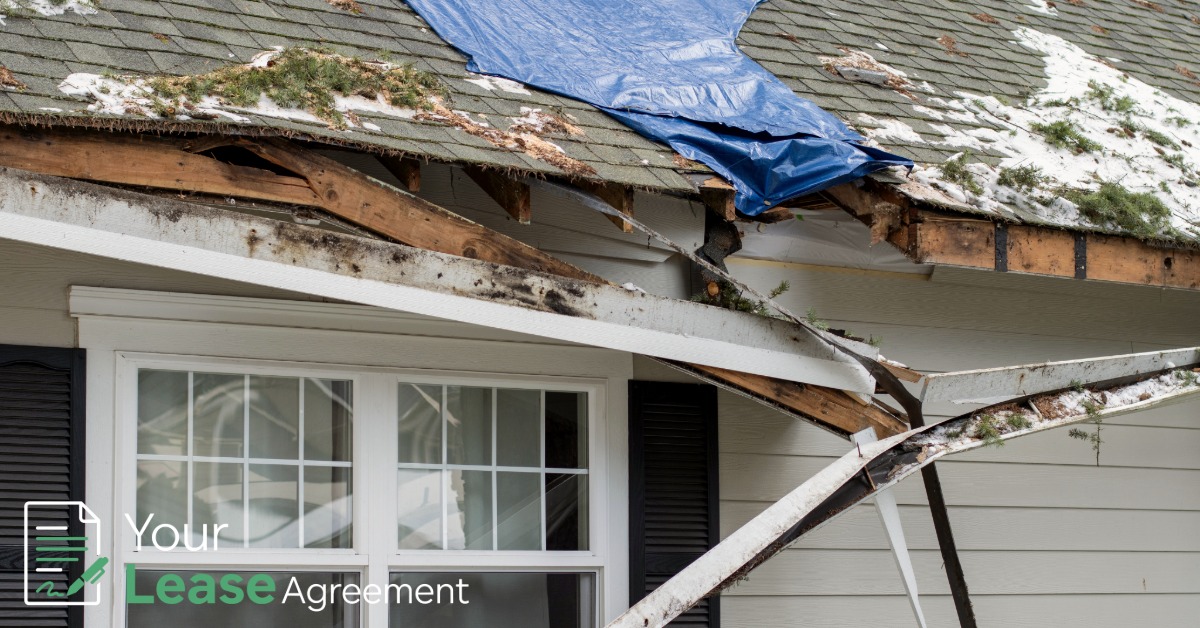
Discovering that a tenant has damaged your rental property is one of the more frustrating situations a landlord faces. The emotional reaction is understandable. The financial exposure is real. But how a landlord handles the situation from the moment they discover the damage determines whether they recover their losses or end up worse off than if they had done nothing at all.
Here is a clear-eyed look at how to handle it correctly from documentation through recovery.
Document the Damage Before Anything Else
Before a conversation with the tenant, before a repair call, before anything else, document the damage thoroughly. Photograph every affected area from multiple angles. Video walkthroughs are even better because they capture context that individual photos can miss. Note the date and time of every photo and video. If there is a move-in condition checklist on file showing the unit's state at the start of the tenancy, pull it out immediately. That document is the baseline that establishes the damage was not pre-existing.
This step cannot be skipped or done carelessly. In any subsequent dispute, whether over the security deposit or in small claims court, the landlord who walks in with dated photos, a move-in checklist, and repair invoices is in a fundamentally different position than one who is working from memory and receipts alone. Documentation is the difference between a provable claim and a landlord's word against a tenant's.
Understand the Difference Between Damage and Normal Wear and Tear
Before pursuing any recovery, a landlord needs to be honest about what actually constitutes damage versus what the law treats as normal wear and tear. This distinction matters because courts in every state prohibit landlords from charging tenants for ordinary wear and tear, and a landlord who tries to deduct for it loses credibility on their legitimate damage claims in the same proceeding.
Normal wear and tear is the gradual deterioration that results from ordinary, reasonable use of a rental unit over time. Faded paint, small nail holes from hanging pictures, worn carpet in high-traffic areas, minor scuffs on baseboards, and slightly loose door hinges are all wear and tear. These are not chargeable.
Actual damage is deterioration beyond what ordinary use would produce. A fist-sized hole in drywall is damage. Burns on countertops are damage. Carpet stained with pet urine is damage. A door kicked off its hinges is damage. Broken window glass is damage. Graffiti or markings on walls beyond ordinary picture-hanging is damage. These are chargeable and recoverable from the security deposit or through legal action.
The harder cases fall in the middle. Carpet that is worn down more than expected for the tenancy length may be damage if the tenant had large pets or hosted events that accelerated the wear. Paint that requires full repainting after a two-year tenancy may be wear and tear, since most landlords repaint between tenants anyway. Courts apply a reasonableness standard and look at the age of the item, the length of the tenancy, and the expected useful life of what was damaged. Getting quotes from two or three contractors and keeping all receipts strengthens the credibility of damage claims while making it harder for a tenant to argue the estimate was inflated.
Get Repair Estimates and Actual Invoices
Once the damage is documented, get written repair estimates from licensed contractors. Do not rely on a single number from a vendor you know personally, because a court may question whether it reflects a genuine market rate. Two or three competitive quotes establish that the amount claimed is reasonable. Whenever possible, complete the repairs and keep the actual paid invoices. Courts prefer actual costs over estimates, and a landlord claiming $1,800 in drywall repair with a paid invoice from a licensed contractor is in a much stronger position than one presenting an estimate alone.
Keep records of every repair-related expense: materials, labor, disposal fees, and any cleaning costs that go beyond what a standard unit turnover would require. If the damage required temporary loss of rental income because the unit could not be re-rented while major repairs were underway, document that as well, because some states allow recovery for lost rent caused by tenant damage.
Apply the Security Deposit Correctly
The security deposit is the first line of recovery for tenant-caused damage. Apply it to the documented, chargeable damages and unpaid rent according to your state's rules. Every state has specific requirements for how and when the deposit must be returned and what documentation must accompany any deductions.
Return deadlines vary significantly. Arizona requires return within 14 business days. New York requires 14 days. Florida requires 15 days if returning in full or 30 days with written notice of deductions. Pennsylvania requires 30 days. North Carolina requires 30 days with an interim accounting option if final damages cannot be determined, and a 60-day outside limit. Missing the return deadline in most states forfeits the right to make any deductions at all, regardless of how legitimate the damage claims are. That outcome is avoidable and unacceptable. Know your state's deadline and set a calendar reminder the day the tenant vacates.
The itemized statement of deductions must be specific. A line item that says "cleaning: $400" is legally sufficient in some states and insufficiently detailed in others. Best practice is to describe what was cleaned, why it exceeded normal move-out condition, and what the actual cost was. Attach the invoice. A vague deduction list invites challenges.
If the damage exceeds the deposit, the landlord can return a zero balance with the itemized statement and pursue the remainder through other channels. The deposit does not cap the tenant's liability for damage. It is just the most liquid source of recovery.
Communicate With the Tenant in Writing
Before or shortly after applying the deposit, contact the tenant in writing about the damage. This accomplishes several things. It gives the tenant the opportunity to dispute claims before a legal proceeding begins, which sometimes surfaces information the landlord did not have. It creates a paper trail of the landlord's attempt to resolve the matter directly. And in some cases the tenant agrees to pay for damages above the deposit without requiring court action.
Keep the communication factual and professional. Describe the damage, reference the move-in condition checklist that shows it was not pre-existing, state the cost of repairs, and specify what portion the deposit covered and what balance remains. Do not threaten, insult, or make demands that go beyond the documented financial claim. An emotional communication from a landlord weakens their position in court if the tenant can portray them as acting in bad faith.
If the tenant disputes the damage claim, listen to the specific objections. If they claim the damage was pre-existing, compare the move-in checklist to the move-out documentation. If they claim the repair cost was inflated, show the competitive quotes or paid invoice. If they claim it was normal wear and tear, apply the standard above and be honest with yourself about whether they have a point on any specific item. Conceding a weak item and holding firm on the strong ones is better than litigating everything and losing credibility across the board.
Small Claims Court for Damages Beyond the Deposit
When damage exceeds the security deposit and the tenant refuses to pay the balance voluntarily, small claims court is the most practical path for most residential damage disputes. Small claims courts handle landlord-tenant matters in every state, with dollar limits ranging from $5,000 in some states to $25,000 in others. Cases are heard relatively quickly, filing fees are modest, and attorneys are often not required or even permitted depending on the jurisdiction.
To file a successful small claims case, bring organized documentation: the signed lease, the move-in checklist, dated photographs of the damage, repair invoices, and the itemized deposit statement. Present the claim chronologically and factually. Judges in small claims court hear landlord-tenant cases regularly and respond well to landlords who have their paperwork in order and present the facts without dramatics.
If the tenant does not appear at the hearing, the court typically enters a default judgment in the landlord's favor. If the tenant appears and disputes the claim, the judge hears both sides. A landlord with complete documentation almost always prevails on legitimate damage claims in small claims court. A landlord without it often does not, even when the damage was real.
Collecting a Judgment
Winning a small claims judgment is not the same as collecting money. If the tenant does not pay voluntarily after the judgment, the landlord has to enforce it. Depending on the state, options include wage garnishment if the tenant is employed, bank account levies, and liens on property the tenant owns. Some states make enforcement easier than others. California and Texas both have mechanisms for post-judgment collection that landlords can pursue without an attorney. In states with limited enforcement tools, a judgment against a tenant with no assets or income may be difficult to collect regardless of its validity.
Judgments remain on the public record and can affect the tenant's ability to rent in the future. Tenant screening services report civil judgments, and a former tenant with a landlord judgment against them will find it harder to rent from a careful landlord in the future. That is not immediate financial recovery, but it is a consequence that tenants who contest legitimate damage claims sometimes fail to consider.
What to Do Differently Next Time
The landlords who recover damage costs most cleanly are the ones who set the situation up correctly before the tenant moved in. A signed move-in condition checklist is the single most important protective document a landlord can have. Without it, every damage dispute becomes a question of what existed before the tenancy and what happened during it, with no objective record to answer that question.
A lease that clearly describes what constitutes damage versus wear and tear, specifies the tenant's obligation to report maintenance issues promptly, and authorizes specific charges for documented damage categories gives the landlord a contractual basis for deductions that goes beyond the general statutory rules. A lease that is silent on damage just leaves both sides to argue about what the law implies.
A state-specific residential lease agreement that addresses damage obligations, maintenance reporting, and security deposit terms in language that holds up in your jurisdiction is the foundation. Pairing it with a thorough move-in inspection at the start of every tenancy is what makes recovery possible when damage actually occurs. The security deposit limit checker confirms the maximum deposit you can collect in your state so you know how much protection you have going in.
You can build a state-specific lease agreement online and have it ready to sign in a few minutes.
Frequently Asked Questions
What should a landlord do first when a tenant damages property?
Document everything with photos, videos, and compare it to the move-in condition checklist.
Can a landlord charge a tenant for property damage?
Yes, but only for damage beyond normal wear and tear.
What counts as normal wear and tear vs damage?
Wear is expected aging like minor scuffs, while damage includes things like holes in walls or broken fixtures.
Along with his duties at YourBillofSale, Paul Oak covers residential real estate, landlord-tenant law, and rental documentation. With a background in property management and legal compliance, he breaks down the fine print that most renters and landlords skip over. His goal is simple: help people understand what they're signing before it becomes a problem.
View all posts →Create Your Lease Agreement
Need a lease agreement? Create one now for $7.99 - state-specific and professionally formatted.
Get Started - $7.99