
Landlord Tips
48 articles in this category

Pet deposit, pet fee, or pet rent: what landlords can charge
A pet deposit, a pet fee, and pet rent work differently, and state deposit caps decide how much can be collected at move-in. Here are the rules in three states and a sample clause.

The 3x rent rule: how income requirements work and where they cross a legal line
Earning three times the rent is the most common screening rule in renting, and it is not a law. Where it comes from, how landlords apply it to couples and roommates, when it runs into voucher and fair housing protections, and the alternatives that fill the gap.

Does a landlord have to provide heat? Minimum temperatures for rentals
Heat is part of a habitable home in nearly every state, and many cities set a minimum indoor temperature during heating season. What the rules usually require, how New York City spells it out, what tenants can do when the heat goes out, and where air conditioning fits in.

How many people can live in a rental? Occupancy limits explained
HUD treats two people per bedroom as a general guide, local codes set square-footage floors, and a lease limit has to satisfy both without shutting out families with children.

Can a landlord ban smoking or marijuana in a rental?
Landlords can generally ban tobacco and marijuana smoking through the lease. California, Michigan, and New York spell out the limits, especially for edibles and medical use.

Rent receipts: when a landlord has to give one
Some states require a rent receipt for every cash payment and any other payment on request. Here is what a compliant receipt shows and why it decides eviction cases.
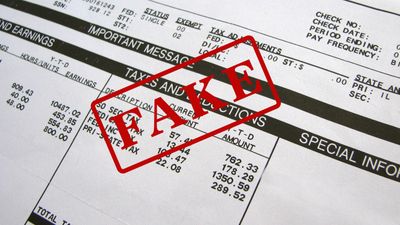
The fastest way to catch a fake pay stub is the bank statement
A San Francisco survey found 85 percent of landlords worried about fraudulent applications and 28 percent out at least $5,000. Here is the verification method that catches forged stubs, fake references, and borrowed identities before anyone signs.

How to prorate rent when a tenant moves out mid-month
The final month of a tenancy rarely lines up with the calendar. Here is how to pick a day count, run the math both common ways, and handle the refund you owe when rent was already paid in full.

Renting to a Section 8 tenant: how the voucher changes the lease
A Housing Choice Voucher adds an inspection, a HAP contract with the housing authority, and a federal tenancy addendum to your lease. Here is what each one changes and what stays the same.

Renting a room in the home you live in: What a live-in landlord needs to know
Renting a spare room while you live on site changes which rules apply and which do not. Fair housing limits, house rules, deposits, and what to write down.

When does a guest legally become a tenant?
No national day count turns a guest into a tenant. Courts weigh money, mail, belongings, and time, and the answer decides whether removal takes a phone call or a court case.

How much notice before a rent increase? A state-by-state guide
The notice a landlord owes before raising rent runs from 7 days to 90, and a fixed-term lease freezes it entirely. Here is the rule in every state.