
Landlord Tips
48 articles in this category

When a Tenant Abandons the Unit: What a Landlord Can and Cannot Do
A quiet unit is not proof of abandonment, and acting too soon can turn a landlord into the wrongdoer. Here is how to tell real abandonment from a tenant who is simply away, and the safe way to reclaim the unit.

Squatters vs Tenants vs Guests: Who Has Rights and How to Remove Each
A guest, a tenant, and a squatter each carry different legal rights, and the wrong removal method can expose a landlord to real liability. Here is how to tell them apart and the correct path for each.

How to Evict a Tenant: The Legal Eviction Process, Step by Step
A plain-English walkthrough of the lawful eviction process for landlords: valid grounds, written notice, filing the lawsuit, the hearing, the writ, and the hard rule against self-help.

What a Move-Out Inspection Should Cover
A thorough move-out inspection protects the deposit refund for both sides. Here is what to check, how to document it against the move-in record, and how to handle deductions fairly.
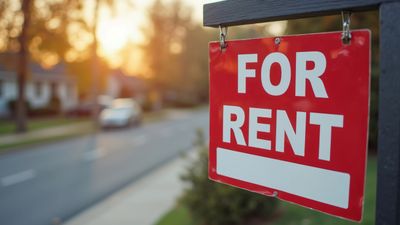
How Much Can I Charge for Rent? A Landlord's Guide to Pricing a Rental
How to set a rent price that fills the unit and covers your costs: local comps, the 1% guideline, HUD Fair Market Rent as a reference, condition adjustments, and rent-control limits.

How to Legally Screen a Tenant: What You Can and Cannot Ask
A practical walkthrough of tenant screening that keeps you inside the Fair Housing Act and the Fair Credit Reporting Act, from the application to the adverse action notice.

What HUD Fair Market Rent Is and How to Use It to Price Your Rental
HUD publishes a Fair Market Rent figure for every area in the country, and many landlords misread it as a rent cap. It is not. Used correctly, FMR is one useful reference point for pricing your rental, not a ceiling on what you can charge.
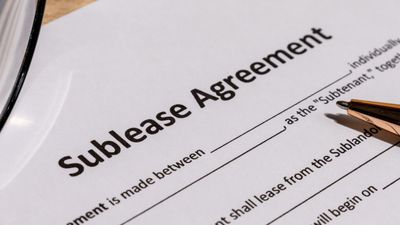
Should You Allow Subletting in Your Lease?
Banning sublets feels safe, but a flat no can backfire when a tenant has to move and does it anyway without telling you. The smarter move for most landlords is not yes or no, it is a clause that allows subletting only with your written approval, on your terms.

What Landlords Must Disclose About Mold and Lead Paint
Two disclosures sit in a category of their own because one is federal law with real penalties and the other is a growing patchwork of state rules. Get the lead paint disclosure wrong on an older home and the fines are severe. Mold is murkier, but ignoring it is its own risk.

How Much Can a Landlord Raise the Rent? Rules by State
There is no single national answer to how much a landlord can raise the rent. In most of the country there is no cap on the amount, only rules about when and how. In a handful of places there are hard limits. Knowing which situation you are in is what keeps a routine increase from becoming a legal problem.

What Happens If a Landlord Breaks the Lease?
Most lease discussions focus on what happens when a tenant violates the agreement. But landlords break leases too, and when they do, tenants have real legal remedies. A landlord who sells the property mid-lease, enters without notice repeatedly, fails to make required repairs, or tries to force a tenant out without going through proper eviction procedures is in breach of the lease. What the tenant can do about it depends on how serious the breach is, what the lease says, and what state the property is in...

Can a Landlord Say No to an Emotional Support Animal?
A no-pets policy does not apply to emotional support animals. That is the short answer. The longer answer is that landlords can say no in a small number of specific situations, and understanding where those exceptions start and stop is important for both sides of a lease. Getting this wrong is expensive. A landlord who denies a legitimate ESA request can face a federal Fair Housing Act complaint, civil liability, and HUD investigation. A tenant who misrepresents documentation to obtain ESA accommodation is committing fraud...