
Who Pays When Furnished Furniture Gets Damaged in a Rental?

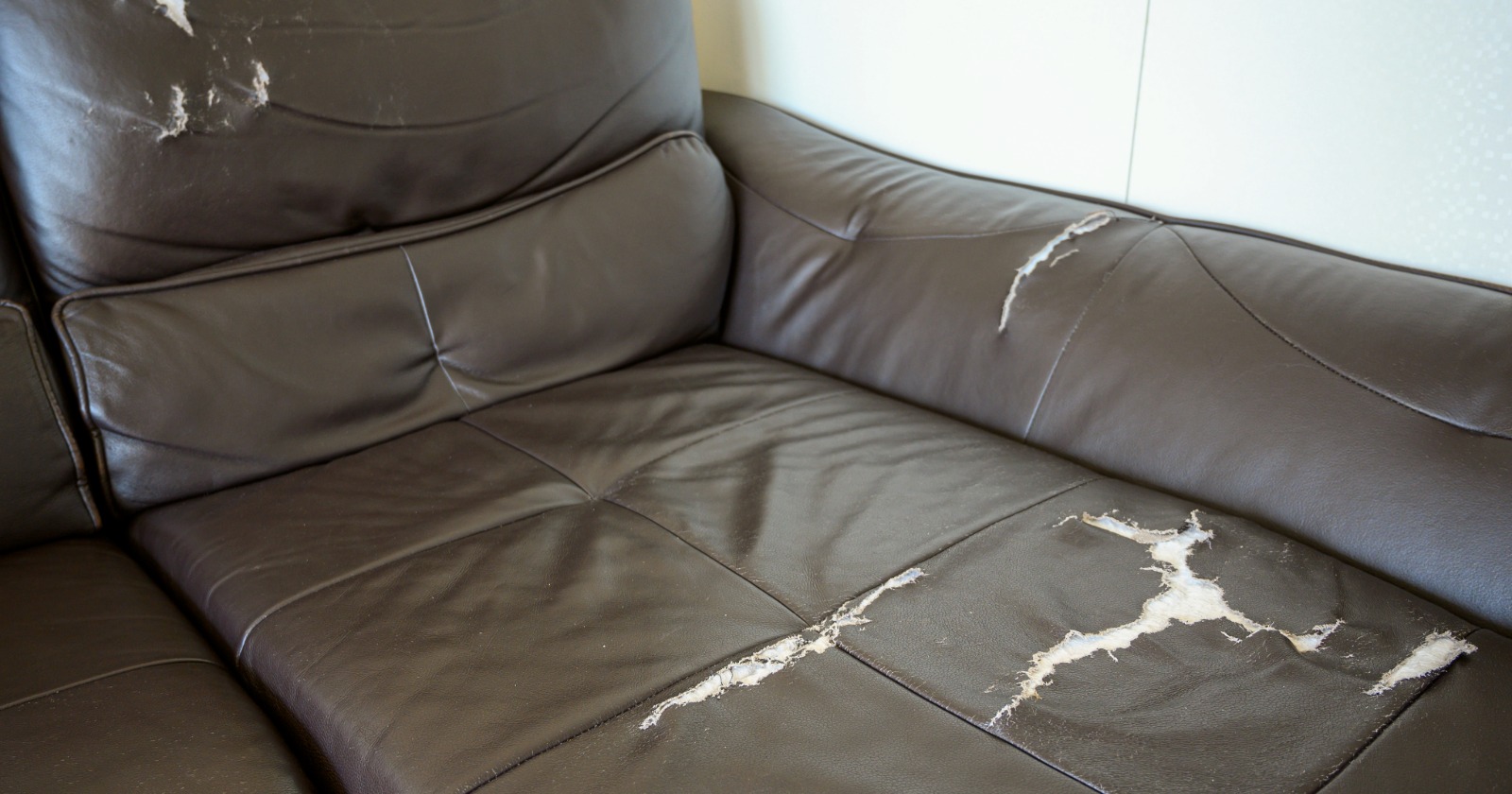
A broken bed frame. A stained sofa. A television with a cracked screen. In a furnished rental, damage to the landlord's property is one of the most disputed move-out situations there is. Both sides usually believe they are right, and without the right documentation, neither can prove it. The answer to who pays almost always comes down to two things: what the lease says and what was documented at move-in.
The Basic Framework: Damage vs. Wear and Tear
The same standard that applies to the rental unit itself applies to everything in it. Tenants are responsible for damage beyond normal wear and tear. They are not responsible for ordinary deterioration from reasonable use over time.
For furniture, wear and tear looks like this: minor fabric pilling on upholstered pieces after extended use, small surface scuffs on wooden furniture from normal placement of objects, slight fading from sunlight exposure, and gradual mattress compression from regular sleeping. These are the costs of renting furnished. The landlord absorbs them.
Damage beyond wear and tear looks like this: a stain from a spilled bottle of wine, a burn mark on the coffee table, a cracked television screen, a broken sofa leg from someone sitting on the armrest, torn upholstery from a pet, or a missing item entirely. The tenant pays for these.
The harder cases fall in the middle. A mattress that is heavily worn after a two-year tenancy may be wear and tear if it was already a few years old when the tenant moved in. The same mattress worn down after four months is probably damage. Age of the item, quality at move-in, length of the tenancy, and how aggressively the item was used all factor into where the line falls. Courts apply a reasonableness standard and landlords who claim full replacement cost on a five-year-old piece of furniture typically do not get it.
What Controls the Answer: The Lease and the Inventory
Without a written lease that addresses furniture damage and a signed move-in inventory that documents the condition of each item, every dispute becomes a credibility contest. The landlord says the sofa was in good condition when the tenant moved in. The tenant says it was already stained. There is no way to resolve that without documentation.
The lease needs to do two things on this front. First, it should state explicitly that the tenant is responsible for damage to furnished items beyond normal wear and tear, including stains, burns, breakage, and missing items. Second, it should reference the move-in inventory as an attachment and establish that the inventory represents the agreed-upon baseline condition at the start of the tenancy.
The inventory is what makes damage claims enforceable. A signed inventory that says "gray sectional sofa, no stains, cushions intact, minor wear on left armrest" gives the landlord a documented before picture. When the tenant moves out and the same sofa has a large red stain and a broken frame, the landlord has a before-and-after record that is very difficult for the tenant to dispute. Without the inventory, the tenant disputes that the item was ever in the condition the landlord describes, and the landlord has nothing to show otherwise.
Take dated photographs of every item at move-in. Walk through each room and capture everything from multiple angles. Store the photos somewhere accessible and backed up. The signed inventory plus dated photographs is the combination that makes furnished rental damage claims defensible in court or in a deposit dispute.
Who Pays When a Mechanical Item Breaks
Furniture damage is usually straightforward. Appliance failures are more complicated because the cause matters more than the fact of the failure.
A refrigerator that stops cooling because of a compressor failure is a mechanical defect. The landlord pays. A refrigerator that stops working because the tenant jammed a metal rack into the cooling coils is tenant-caused damage. The tenant pays. A washing machine that breaks down after three years of normal use has likely reached end of useful life. The landlord replaces it. A washing machine that breaks because the tenant ran a load containing items that were explicitly excluded in the lease, like sneakers or heavy rugs, is a harder case that depends on what the lease says and what the repair diagnosis shows.
The lease should address appliance responsibility explicitly. A clause stating that mechanical failures not caused by tenant misuse or negligence are the landlord's responsibility, and that damage resulting from misuse or from failure to follow manufacturer guidelines is the tenant's responsibility, sets a clear framework for every appliance dispute before it happens.
The lease should also require the tenant to report malfunctions promptly and in writing. A tenant who notices a dishwasher leaking and says nothing for six weeks while the water damages the cabinet below is contributing to a problem that started as a mechanical issue. If the lease requires prompt written reporting of any malfunction, the landlord has a basis to hold the tenant responsible for the consequential damage that resulted from delayed notification.
Deducting from the Security Deposit
The security deposit is the first line of recovery for furniture damage. The landlord documents the damage, gets a repair or replacement cost, and deducts it from the deposit with an itemized written statement returned within the state's required deadline.
Every state sets its own deposit return window and documentation requirements. New York requires return within 14 days. Florida requires 15 days for a full return or 30 days with written notice of deductions. Georgia requires 30 days. Arizona requires 14 business days. North Carolina requires 30 days. Miss the deadline in most states and you forfeit the right to make any deductions at all, regardless of how legitimate the damage claims are.
Deduction descriptions need to be specific. "Furniture damage: $400" is not enough in most states. "Replacement of dining chair with broken leg, tenant-caused, $85; professional cleaning of sectional sofa for pet stain, invoice attached, $240; replacement of cracked television screen, $175" is defensible. Attach receipts or contractor invoices for anything above minor amounts. Courts respond to documentation, not to a landlord's word about what something cost.
The deposit cap in your state sets the ceiling on what you can collect upfront. California caps at one month's rent. New York caps at one month. Arizona caps at one and a half months. Georgia has no cap. If the furniture damage exceeds the deposit, you need to pursue the balance through other channels. The security deposit limit checker shows the maximum deposit allowed in your state and the return deadline that applies after move-out.
When Damage Exceeds the Deposit
Furnished rentals carry more damage exposure than unfurnished ones precisely because there is more property at risk. A deposit capped at one month's rent may not cover a television, a sofa, a mattress, and two dining chairs all damaged in the same tenancy. When damage exceeds the deposit, the landlord has to pursue the balance.
Send a written demand letter to the tenant first. State the total damage amount, what the deposit covered, and the balance owed. Give a 10 to 14-day deadline to pay and send it by certified mail. This creates a paper trail and sometimes resolves the matter without a court filing.
If the tenant does not pay, small claims court is the right venue for most residential furniture damage claims. Dollar limits vary by state: California allows up to $12,500, Texas up to $20,000, Florida up to $8,000, New York up to $10,000 in New York City. Bring the signed lease, the move-in inventory, the dated photographs, and the paid repair or replacement invoices. A landlord with complete documentation wins these cases. A landlord without it often does not, even when the damage was real.
What Renters Insurance Does and Does Not Cover
A common misconception is that the tenant's renters insurance will cover damage they cause to the landlord's furnished items. Standard renters insurance covers the tenant's own belongings and their personal liability for injury or damage to others. It does not cover damage the tenant causes to property that belongs to the landlord.
If a tenant breaks a furnished item, that claim comes out of the security deposit and, if necessary, small claims court. Renters insurance does not bridge that gap from the landlord's perspective.
Some landlords require higher liability coverage minimums in furnished rentals, reasoning that the additional property value inside the unit increases the potential for significant damage claims. A $300,000 liability minimum instead of the standard $100,000 costs the tenant a few dollars more per month and is a reasonable and enforceable lease requirement. It does not directly cover furniture damage but it does ensure the tenant has a meaningful liability policy in place if a situation escalates to litigation.
Landlords can also carry their own contents insurance for furnished rentals. Some property insurance policies can be endorsed to cover personal property left in a rental unit. If your current policy does not cover furnished items, check with your insurer about available endorsements before the next furnished tenancy begins.
The Replacement Cost Question
When a damaged item cannot be repaired and needs replacing, the deduction amount should reflect actual replacement cost or fair market value, not the original purchase price paid years ago.
A sofa purchased for $1,200 four years ago is not worth $1,200 today. Its fair market value as a used item of that age is considerably less. A landlord who deducts $1,200 for a four-year-old sofa that the tenant destroyed is claiming more than the item is actually worth, and that excess is likely to be disputed successfully. A landlord who deducts the current used market value for a comparable four-year-old sofa of similar quality, supported by a quick search showing comparable items selling for $400 to $600, has a defensible number.
For newer items or items in excellent condition at move-in, replacement cost is more appropriate. A six-month-old mattress that the tenant ruined with pet damage warrants a deduction closer to its current retail price than a depreciated used value. The inventory description of the item's condition at move-in is what supports the higher deduction claim.
Preventing the Dispute Before It Starts
The landlords who handle furnished rental damage most cleanly are the ones who set the situation up correctly at the start of the tenancy. A detailed signed inventory, dated photographs, a lease that addresses damage standards and reporting obligations, and a deposit at the maximum allowed in your state provide the strongest available protection before anything breaks.
A state-specific residential lease agreement gives you the legally compliant foundation. The furnished rental provisions, the inventory as an attachment, and the damage responsibility framework are the additions that make it complete for a furnished tenancy. The document that both parties sign before move-in is the one that resolves the dispute at move-out without requiring a judge to decide whose memory is more credible.
Frequently Asked Questions
Who pays for damaged furniture in a furnished rental?
The tenant usually pays for damage beyond normal wear and tear, while the landlord absorbs ordinary deterioration from reasonable use over time.
What counts as normal wear and tear on rental furniture?
Normal wear and tear can include minor fabric pilling, small surface scuffs, sunlight fading, or gradual mattress compression from regular use.
What counts as tenant-caused furniture damage?
Tenant-caused damage can include wine stains, burn marks, broken furniture legs, cracked television screens, torn upholstery from pets, or missing furnished items.
Jill Stradley covers landlord-tenant law, lease agreements, and the fine print that renters and landlords skip until something goes wrong. Her goal is to make state-specific rental law readable for people who aren't lawyers and don't want to become one. She lives in a rental herself and considers that a professional asset.
View all posts →Create Your Lease Agreement
Need a lease agreement? Create one now for $7.99 - state-specific and professionally formatted.
Get Started - $7.99