

Jill Stradley
Jill Stradley covers landlord-tenant law, lease agreements, and the fine print that renters and landlords skip until something goes wrong. Her goal is to make state-specific rental law readable for people who aren't lawyers and don't want to become one. She lives in a rental herself and considers that a professional asset.
Articles by Jill Stradley

Massachusetts lease agreement requirements: what landlords must include
Massachusetts caps what a landlord can collect at signing, sets strict deposit paperwork, requires a lead paint notice, and voids several common lease terms. Here is the checklist.

Pet deposit, pet fee, or pet rent: what landlords can charge
A pet deposit, a pet fee, and pet rent work differently, and state deposit caps decide how much can be collected at move-in. Here are the rules in three states and a sample clause.

Does a lease end when the rental property is sold?
A sale does not cancel a lease. The buyer takes over as landlord, and state notice rules decide when a month-to-month tenancy can end and how showings work.

Keys, locks, and lockouts: who can change them and when
Changing the locks to force a tenant out is illegal in nearly every state. Here is when a landlord may legitimately rekey, when a tenant may, and what to do if you are locked out.
Mid-term rentals: what a 30 to 90 day lease needs to say
A furnished 30 to 90 day stay is usually a tenancy under state law. Here is where states draw the line, when occupancy tax applies, and what the lease should cover.
Automatic renewal clauses in a lease: are they enforceable?
Automatic renewal clauses usually hold up, but New York and Wisconsin require a written reminder from the landlord first. Here is how to draft one and how tenants opt out.

Minnesota lease agreement requirements: what landlords must include
Minnesota Chapter 504B sets required disclosures, deposit interest, a three-week return deadline, notice rules, and five landlord covenants that apply to every residential lease.

California room rental agreement: what the law requires
California treats one lodger in an owner's home differently from other room renters. Here are the notice, deposit, and removal rules, with the Civil Code section behind each one.

Divorce and a joint lease: who stays, who pays, and how to remove a name
Both spouses signed the lease and the marriage is ending. What joint and several liability means for the rent, why a divorce decree cannot bind your landlord, and the three realistic ways to get one name off.

You signed a lease but the unit is not ready: your options
The old tenant is still there, or the landlord's furniture fills the living room. Here is what the landlord owes you on move-in day and the three paths you usually have when the unit is not ready.

The move-in walkthrough: how to document a rental before you sign
The half hour of photos, video, testing, and signatures that decides who pays for the scuff on the bedroom door a year from now.

Mobile home park lot leases: how they differ from an apartment lease
When you own the home but rent the land, a separate set of state rules often applies. Here is how lot leases handle rent increases, evictions, park rules, sales in place, and the homeowner's death.

Co-signer vs guarantor vs co-tenant: Who is actually on the hook
Co-signer, guarantor, and co-tenant are not interchangeable. Learn who can live in the unit, who owes the rent, and how each obligation actually ends.

Which lease terms the law overrides, even if you signed them
A signature does not make every clause valid. Learn which common lease terms courts refuse to enforce and why signing them does not waive your rights.

Renting a room in the home you live in: What a live-in landlord needs to know
Renting a spare room while you live on site changes which rules apply and which do not. Fair housing limits, house rules, deposits, and what to write down.

How much notice a landlord must give before entering, by state
A 50-state map of the statutory entry-notice period: 18 states set 24 hours, eight states and D.C. set 48 hours, Wisconsin sets 12 hours, and 23 states name no number at all.

What happens to your security deposit when the landlord dies
A landlord's death does not turn your deposit into estate money. Here is where it goes, what the executor owes you, and how to claim it if it vanishes.

Can a landlord refuse to renew your lease?
In most states a landlord may decline to renew a lease for any reason or none. Fair housing law, retaliation statutes, and a handful of just cause jurisdictions draw the lines.

When does a guest legally become a tenant?
No national day count turns a guest into a tenant. Courts weigh money, mail, belongings, and time, and the answer decides whether removal takes a phone call or a court case.
How fast can you be evicted? Nonpayment notice periods in all 50 states
The pay-or-quit notice period for unpaid rent ranges from three days to thirty across the states. Here is the full 50-state map and what the clock really covers.

How much notice before a rent increase? A state-by-state guide
The notice a landlord owes before raising rent runs from 7 days to 90, and a fixed-term lease freezes it entirely. Here is the rule in every state.

Breaking a lease as a domestic violence survivor: Your legal protections
Most states let a domestic violence survivor end a lease early with the right documentation and notice. Here is how the protection works and where to find help.

Adding a roommate: Sublease, lease addendum, or a new lease?
Adding a roommate can be done three ways, and each one changes who is legally on the hook for the rent. Here is how a sublease, a lease addendum, and a brand new lease compare.

Normal Wear and Tear vs Damage: What a Landlord Can Legally Deduct
The line between normal wear and tear and tenant damage decides most security deposit disputes. Here is how to tell them apart, room by room, and what a landlord may legally deduct.

The Implied Warranty of Habitability: What Your Landlord Must Fix
Almost every rental in the country comes with an unwritten promise that the home will be livable. Here is what the implied warranty of habitability covers, the remedies it gives tenants, and why a lease cannot sign it away.

What Is the Maximum Late Fee in Texas?
Texas is one of the few states that wrote a late fee limit into law. Here is the two-day rule, the 12 and 10 percent safe harbor, and the penalty for overcharging.
What to Include in a Lease Agreement: A Complete Checklist
A clause-by-clause checklist of what every solid residential lease needs, from parties and rent to disclosures and signatures, explained in plain language.

Can a Landlord Show Your Rental While You Still Live There?
A for sale sign in the yard does not suspend your tenancy. Here is how notice rules, allowed hours, and permitted purposes limit showings while you are still living in the unit.

What Is the Maximum Late Fee in California?
California never prints a maximum late fee. It applies a reasonableness standard instead, and a fee that fails it is not collectible at all. Here is how the test works and how to write a clause that survives it.

Georgia Sublease Agreement: Rules and What to Put in Writing
Georgia tenants hold a usufruct they cannot hand off without the landlord's consent. Here is how consent works, why you stay liable for the rent, and what your sublease has to say.

How Much Notice Does a Tenant Have to Give Before Moving Out?
How much notice you owe before moving out depends on your lease type. Here is the difference between month-to-month and fixed-term leases, why written notice matters, and what happens if you leave early.

What Quiet Enjoyment Means and Why It Is in Every Lease
The covenant of quiet enjoyment gives every tenant the right to use their home without unreasonable interference. Here is what it covers and how it is enforced.

Squatters vs Tenants vs Guests: Who Has Rights and How to Remove Each
A guest, a tenant, and a squatter each carry different legal rights, and the wrong removal method can expose a landlord to real liability. Here is how to tell them apart and the correct path for each.

How Much Can a Sacramento Landlord Legally Increase Your Rent? The City Just Updated the Limit
Sacramento raised its annual rent increase cap to 8.6 percent for 2026 under the Tenant Protection Program. Here is who is covered, how the limit is set, and what landlords may charge.

14 States Owe You Interest on Your Security Deposit, and Most Renters Never Collect It
In 14 states plus DC the law requires your landlord to pay you interest on the deposit they are holding. It is real money, and most tenants walk away without ever asking for it.

How to Legally Break a Lease Early: A Tenant's Guide
Breaking a lease early is not always a default. Federal and state law protect certain reasons, and many landlords must try to re-rent. Here is how to leave without owing the rest of your lease.

Illinois Lease Agreement Requirements: What Landlords Must Include
Illinois leases must respect state security deposit laws and required disclosures, and Chicago adds stricter rules of its own. Here is what landlords need to include so a lease holds up.

Florida Sublease Agreement: What to Include and the Rules
Florida does not give renters an automatic right to sublet, so your lease controls. If the lease requires landlord consent, you need it. Here is what a Florida sublease should include and why you stay responsible.

Texas Sublease Agreement: What to Put in Writing
Texas law does not let a tenant sublet on a whim. You generally need your landlord's written consent first, and you stay on the hook for the original lease. Here is what a Texas sublease should spell out.

Maximum Late Fee by State: How Much Can a Landlord Legally Charge?
There is no single national cap on rent late fees, so what is legal depends almost entirely on your state and your lease. Some states set a hard percentage or dollar limit, many simply require the fee to be reasonable, and most expect a grace period first. Here is how to tell whether the fee on your lease would actually hold up.
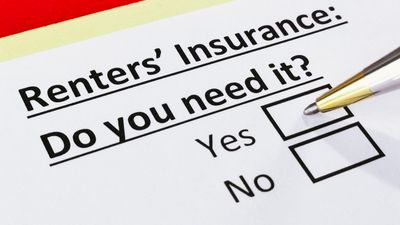
Is Renters Insurance Required by Law? What Renters Actually Have to Carry
No US state forces a tenant to buy renters insurance, so the legal answer is no. The reason so many renters carry it anyway is that a landlord can require it in the lease, which turns it into a contract obligation rather than a legal one. Here is what that distinction means for you.

Florida's Radon Disclosure: What Every Lease Must Say
Florida law requires most rental agreements to include a specific radon gas notice, with wording set by statute. It is a short paragraph, but leaving it out means your lease is missing a legally required disclosure. Here is exactly what the notice says, who it applies to, and how it fits with the federal lead-paint rule.

How to Handle a Security Deposit Dispute as a Tenant
A landlord keeping more of your deposit than you think is fair is one of the most common renting disputes there is, and tenants lose them constantly for one reason: no proof. The deductions you can fight come down to what you documented, and most of that happens before you ever move out.
Should You Allow Subletting in Your Lease?
Banning sublets feels safe, but a flat no can backfire when a tenant has to move and does it anyway without telling you. The smarter move for most landlords is not yes or no, it is a clause that allows subletting only with your written approval, on your terms.

What a Move-In Checklist Is and Why Your Lease Needs One
A move-in checklist is a written record of the unit's condition on the day you take the keys, and it is the single best protection you have against a security deposit dispute later. It protects the landlord too, by documenting what was already damaged before you arrived. Some states actually require one in writing, and here is how to use it well.

How to Prorate Rent for a Mid-Month Move-In
When a tenant moves in partway through the month, charging a full month is unfair and charging nothing leaves money on the table. Prorating splits the difference by the day, and the only real question is which method you use to do the math. Here is how to get it right.

What Is a Grace Period for Rent and How Long Should It Be?
A rent grace period is one of the most misunderstood lines in a lease. Tenants think it means rent is not really due until it ends, landlords think it is optional, and some states quietly require one. Here is what a grace period actually is and how to set one that holds up.

Month-to-Month vs. Fixed-Term Lease: Which Is Right for You?
A fixed-term lease and a month-to-month agreement are not just different lengths of the same thing. They protect you in opposite directions, one buying certainty and the other buying flexibility. The right choice depends entirely on which of those you value more, and the trade-off looks different for a tenant than for a landlord.

How Much Can a Landlord Raise the Rent? Rules by State
There is no single national answer to how much a landlord can raise the rent. In most of the country there is no cap on the amount, only rules about when and how. In a handful of places there are hard limits. Knowing which situation you are in is what keeps a routine increase from becoming a legal problem.
How to Draw Up a Simple Lease Agreement
A lease can be one page and still hold up, or ten pages and fall apart. Here are the 10 things a simple lease needs, and the one most people leave out.
Is a Lease Agreement a Legal Document?
Understanding why a lease is a legal document, and what that actually means for both sides, matters more than most people realize until they end up in a dispute...

Can I Write My Own Lease Agreement?
You can write your own lease agreement. There is no law requiring a lease to be drafted by an attorney, and a lease you write yourself is just as legally binding as one a lawyer charged you $500 to produce. The question is not whether you are allowed to. The question is whether the lease you write will actually hold up when you need it to, and that is where most do-it-yourself leases fail.

What Happens to a Lease If the Landlord Dies?
When a landlord dies, the lease does not die with them. This surprises a lot of tenants who assume the agreement was personal to the individual they signed with. It was not. A lease is a contract attached to the property, not to the person who owned it. The tenant's right to occupy the unit and the obligations on both sides continue after the landlord's death, transferring to whoever inherits or controls the property next...

How Much Can a Landlord Charge for a Broken Window?
A broken window is one of the most common move-out disputes between landlords and tenants. The landlord wants to charge for it. The tenant says it was already cracked when they moved in, or that it broke on its own, or that it is normal wear and tear. Who is right depends on how the window broke, what the lease says, and whether the landlord documented the window's condition at move-in...

What Can a Landlord Do if a Tenant Leaves Without Paying Rent and Breaks the Lease?
A tenant who skips out mid-lease without paying rent is one of the more frustrating situations a landlord faces. The unit is suddenly vacant, income has stopped, and the person who owes you money is gone. The good news is that leaving does not erase the debt. A signed lease is a binding contract and a tenant who walks away from it is still legally obligated for the rent and other costs they left behind. Whether you can actually collect is a different question, but the legal path to recovery is real...

Who Pays When Furnished Furniture Gets Damaged in a Rental?
A broken bed frame. A stained sofa. A television with a cracked screen. In a furnished rental, damage to the landlord's property is one of the most disputed move-out situations there is. Both sides usually believe they are right, and without the right documentation, neither can prove it. The answer to who pays almost always comes down to two things: what the lease says and what was documented at move-in...

What Is the Maximum Late Fee in New York?
New York has one of the strictest late fee laws in the country. The cap is low, the grace period is mandatory, and a landlord who has been charging above the limit on every late payment has been collecting illegal fees that a tenant can demand back. If you are a landlord in New York and you have not checked your lease against the current statute, it is worth doing before the next late payment arrives...

How Much Notice Does a Landlord Have to Give in California?
California has more notice requirements than almost any other state, and they vary depending on what the notice is for. Entry, rent increases, termination, eviction, sale of the property — each has its own timeline, its own rules, and its own consequences for getting it wrong. A landlord who gives 30 days notice when 90 are required does not just lose the case. In some situations the notice is void and the clock starts over...

What Happens If a Tenant Signs a Lease and Never Moves In?
A tenant signs the lease, pays the deposit, maybe even pays first month's rent. Then they disappear. They never pick up the keys, never move in, and stop responding. Or they call a week later saying they changed their mind and want out. Either way, you have a signed lease, an empty unit, and a tenant who has decided the arrangement is not happening...

When Rentals to a Friend Go Bad: The Legal Mess No Lease Creates
Renting to a friend starts the same way every time. The arrangement feels obvious. You trust them. They need a place. You have a unit. Nobody wants to make it weird with paperwork. So you skip the lease, shake hands, and move forward on the assumption that everything will work out because you know each other...

What to Do When You Find Out Your Tenant Has an Unauthorized Pet
You find out your tenant has a dog. Maybe you saw it through the window. Maybe a neighbor mentioned it. Maybe you walked in for a maintenance visit and there it was. Now you have to figure out what you can actually do about it, and the answer depends almost entirely on what your lease says, or does not say...

Renting Out a Basement Apartment: What the Lease Needs to Cover
Renting out a basement apartment is one of the more practical ways to generate rental income from a property you already own. The unit is attached to your home, the setup costs are usually lower than a standalone rental, and the income can meaningfully offset a mortgage. It also comes with complications that a standard above-grade rental does not have, and most of those complications trace back to one thing: a lease that was not specific enough about the situation...

What to Do If Your Landlord Is Harassing You
Most landlord-tenant problems are disputes about money or maintenance. Landlord harassment is something different. It is deliberate conduct designed to make the tenant's living situation uncomfortable enough that they give up their lease and leave without the landlord having to go through a legal eviction. It happens in every state, it is illegal in every state, and tenants who experience it have real legal remedies if they know how to use them...

Renting to Family or Friends: Why You Still Need a Written Lease
Renting to someone you know feels different from renting to a stranger. There is an existing relationship, a level of trust, and usually an assumption that things will work out because they always have between you. That assumption is exactly what makes informal arrangements between family members and friends one of the most reliably expensive rental mistakes a landlord can make...
How Landlords Can Confirm Their Late Fee Is Legal Before It Becomes a Problem
A late fee that violates state law does not just become uncollectible. In some states it creates liability for the landlord who charged it. Tenants can demand reimbursement for fees collected above the statutory cap, file complaints with housing authorities, or raise the illegal fee as a defense in eviction proceedings. The landlord who has been charging a $150 late fee on a $1,500 unit in New York has been collecting an illegal fee on every single late payment. The maximum in that state is $75. That math adds up quickly if the tenant ever decides to pursue it....

Renting Month-to-Month After a Divorce: What Both Sides Need in Writing
Divorce reshapes living situations fast. One person stays, one person leaves, or both leave and neither wants to be locked into a long-term lease while the rest of their life is still being sorted out. Month-to-month rentals become the practical choice for a lot of people going through a divorce, either because they need flexibility while a settlement is finalized, because they are waiting to see where they end up financially, or because they are not ready to commit to anything longer than 30 days out...

What Happens When an Annual Lease Expires and Nobody Signs a New One?
A lease end date comes and goes. The tenant does not bring up a new lease. The landlord does not send one over. Rent hits the account on the first and nobody says anything. This is one of the most common situations in residential rentals and most people on both sides have no idea what it means legally until something goes wrong.

How to Tell If Your Lease Agreement Is State-Compliant
Here is how to tell whether a lease is actually compliant with the law in your state, and what the consequences are when it is not....

What to Do When a Tenant Breaks Their Lease Early
A tenant calling to say they need to leave before the lease ends is one of the more disruptive situations a landlord faces. The income you counted on is suddenly in question, the unit may sit vacant during a slow rental season, and you have to figure out what you are legally allowed to do and what actually makes sense to do. Those two things are not always the same. Here is a clear-eyed look at what your options actually are...

Virginia Lease Agreement Requirements: What Changed
Virginia has been one of the more active states for landlord-tenant law changes over the past few years, and 2025 brought a significant round of updates that affect every lease signed or renewed on or after July 1, 2025. If you are using a lease template from two or three years ago without updating it, there is a real chance it is out of compliance. Here is what the Virginia Residential Landlord and Tenant Act currently requires and what changed most recently...
First Time as a Landlord? Here's What Your Lease Agreement Should Actually Say

Florida Lease Agreement Requirements: What Landlords Must Include
Here is what Florida landlords are actually required to put in a lease...

Tenant Red Flags Landlords Should Catch Before Signing the Lease
A bad tenant can cost a landlord anywhere from $3,500 to $10,000 once you factor in legal fees, lost rent, property damage, and turnover costs. Most of those problems could have been caught at the application stage. Here's what to look for before you hand over the keys...
What to Do When a Tenant Refuses to Pay and Won't Leave
A tenant who stops paying rent but refuses to leave is one of the most financially damaging situations a landlord can face. The unit is occupied, no income is coming in, and the path to resolving it runs through a legal process that takes time and patience to execute correctly. The good news is the law gives landlords a clear set of tools. The bad news is those tools only work if used in the right order...

Landlord Insurance vs. Renters Insurance: Who Covers What When Something Goes Wrong?
When something goes wrong at a rental property, the first question both the landlord and the tenant ask is usually the same one: whose insurance covers this? A pipe bursts and floods the unit. A tenant's guest slips on an icy walkway. A fire destroys the tenant's belongings. The answers are not always what either side expects, and the gaps between the two policies is where people get hurt financially...

How to Handle a Tenant Who Won't Leave After the Lease Ends
The lease end date has come and gone. Your tenant is still there. They are not paying new rent, they are not responding to messages, and they show no signs of leaving. This is a holdover tenancy, and it is one of the more stressful situations a landlord can face. The good news is that the law gives you a clear path forward. The key is knowing what that path is and, just as importantly, what it is not...

How to Read a Lease Agreement Before You Sign
Most people spend more time reading the terms and conditions on a streaming service than they do reading a lease agreement. That is a problem, because a lease is a legally binding contract worth thousands of dollars that governs where you live for the next year or more. Every clause you skip is something you have already agreed to...
How a Sublease Agreement Protects Both the Original Tenant and the Subtenant
Subleasing happens for all kinds of reasons. A tenant takes a job in another city for six months, a student goes home for the summer, or someone needs to break a lease early without losing it entirely. Whatever the situation, subleasing puts three parties in a relationship that most people do not fully think through before it starts. A written sublease agreement is what keeps that relationship from becoming a problem...

States With the Strictest Landlord-Tenant Laws (And What That Means for Your Lease)
Landlord-tenant law is not the same from state to state. In some places, a landlord can raise rent with 30 days notice and no cap on the increase. In others, the law dictates exactly how much rent can go up, what reasons are required to end a tenancy, what disclosures must appear in the lease, and what happens if the landlord gets any of it wrong. If you rent in one of the states below, your lease agreement needs to...

California Lease Agreement Requirements: What Landlords Must Include
California has some of the most detailed landlord-tenant laws in the country, and that complexity flows directly into the lease agreement. A generic lease template will not cut it here. California landlords are required by law to include specific clauses, disclosures, and terms that go well beyond what most other states mandate. Miss something and you could be looking at fines...