
Habitability and the Implied Warranty
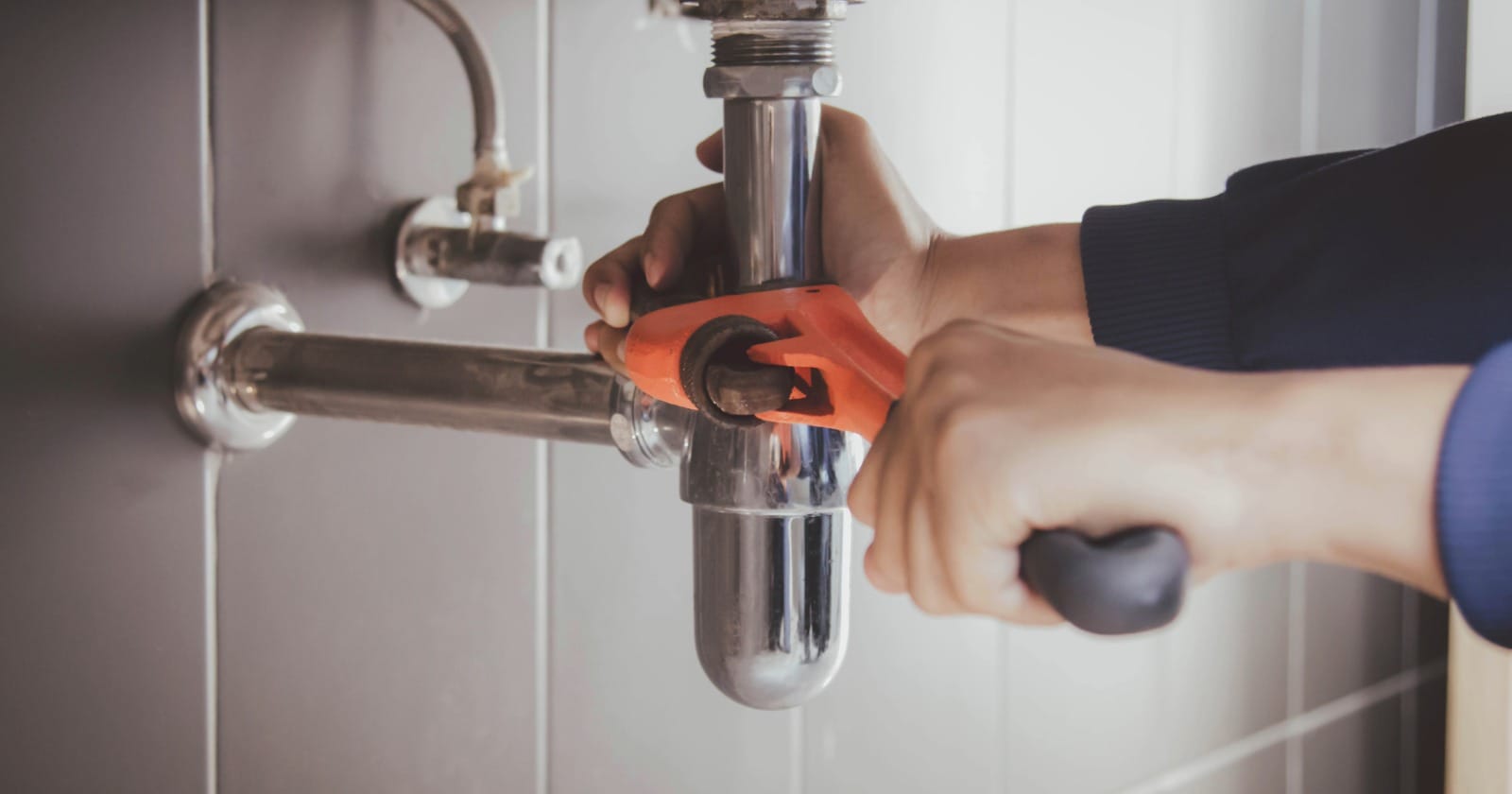
When the heat fails in January or the bathroom ceiling collapses, the landlord owes more than sympathy. Almost every state recognizes an implied warranty of habitability: an automatic, non-waivable promise that rental property meets basic livability standards. When it fails, tenants have specific, structured remedies. When tenants use those remedies wrongly (just stop paying, or just leave), they lose rights they actually had.
What habitability actually means
The minimum bar is that the unit is fit for human living. The standards are partly statutory and partly local building code. Common habitability requirements:
- Working heat in cold-weather states (typically October through April or whatever the local rule defines)
- Hot and cold running water
- Working plumbing (drain, supply, sewage)
- Electrical service in safe working condition
- Structural integrity (no holes, collapsed ceilings, severe damage)
- Weather-tight exterior (roof intact, windows close, doors seal)
- Free from severe pest infestation (rodents, cockroaches, bedbugs)
- Working smoke and CO detectors
- Working locks on exterior doors and (in most states) windows
- Compliant with local housing code generally
Cosmetic issues (worn paint, dated fixtures, minor wear) do not violate habitability. Annoyances (slow drains, occasional noise, an outdated kitchen) do not either. The threshold is "fit to live in," not "perfect" or "what the tenant wanted."
The notice rule: written, specific, dated
Tenants who skip written notice usually lose any remedy. Send notice the moment a habitability issue appears:
- By email, with confirmation of receipt
- By certified mail with return receipt for serious issues
- State the specific problem, location, date noticed, and request a remedy
- Keep a copy
Reasonable time to repair depends on severity:
- Hours to a day: no heat in cold weather, no water, raw sewage, a fire/safety issue
- 2 to 7 days: hot water failure, single fixture not working, broken exterior lock
- 10 to 30 days: pest treatment, roof repair, mold remediation
- Per state law: some states define explicit deadlines (often 14 days for non-emergency, 24 hours for emergency)
Tenant remedies when the landlord ignores notice
Repair and deduct
The tenant pays a contractor to make the repair, then deducts the cost from the next rent. State limits:
- Most states cap the deduction at one month's rent, sometimes per repair, sometimes per year
- Tenant must use a licensed contractor in many states
- Receipts and invoice must be sent to landlord with the deduction
- Cannot be used for a problem the tenant caused
Rent withholding
Hold rent (typically in court escrow, not just keeping it) until the landlord fixes the issue. Procedures vary widely:
- Written notice to landlord first, with specified cure period
- If not cured, file a petition with local housing court or pay rent into the court registry
- Court orders escrow release once repair is complete
- Skipping the procedure often turns the tenant into a non-paying tenant subject to eviction
Constructive eviction
If conditions are severe and the landlord ignores notice, the tenant can vacate and stop paying. Three required elements:
- The unit is genuinely uninhabitable.
- The landlord had written notice and a reasonable opportunity to repair.
- The tenant actually moved out (cannot stay and claim constructive eviction).
This is a high bar. Use it when conditions truly make the unit unlivable: structural collapse, ongoing flooding, raw sewage, complete heat failure in winter that landlord ignored.
Report to the housing authority
Most cities have a building/housing inspection office. Tenants can file a complaint, an inspector visits, and if violations exist the city issues a notice to the landlord with deadlines and fines. Free, but the timeline is the city's, not the tenant's.
Lawsuit for damages or rent abatement
For substantial habitability failures, tenants can sue for: rent abatement (a rebate of rent for the period the unit was uninhabitable), out-of-pocket damages (alternate housing costs, food spoilage from no electricity), and in egregious cases punitive damages. Small claims court handles claims under the state limit (typically $5,000 to $10,000).
What landlords should do to protect themselves
- Respond fast in writing. Even a "received, will inspect tomorrow" reply preserves the relationship and the legal record.
- Document the repair. Receipts, work orders, photos before and after.
- Use licensed contractors for any code-related work (plumbing, electrical, HVAC).
- Address habitability issues immediately. Other lease violations (late rent, parking, pets) can be ignored briefly without much consequence; habitability cannot.
- Do not retaliate. Most states explicitly prohibit retaliation against tenants who exercise habitability rights. Eviction notices, rent increases, or denial of services after a complaint create separate liability.
Anti-retaliation rules
Almost every state has an anti-retaliation statute. If a landlord raises rent, files an eviction, or removes services within a defined window (usually 90 to 180 days) after a tenant exercises a habitability right (filing a complaint, requesting a repair, calling code enforcement), the law presumes retaliation. The landlord must prove an independent legitimate reason or face penalties.
What you cannot do as a tenant
- Withhold rent without following the state's procedure
- Stop paying because of a non-habitability complaint (parking, noise from outside, slow management)
- Damage the property and call it self-help repair
- Stay in the unit and claim constructive eviction
- Use habitability as a tactic when the actual goal is breaking the lease for a job change or move
Get the lease done right
A solid lease references state habitability rules, landlord notice requirements, and the proper procedures for repair requests. State-specific, completed in minutes.