
How Much Can I Charge for Rent? A Landlord's Guide to Pricing a Rental

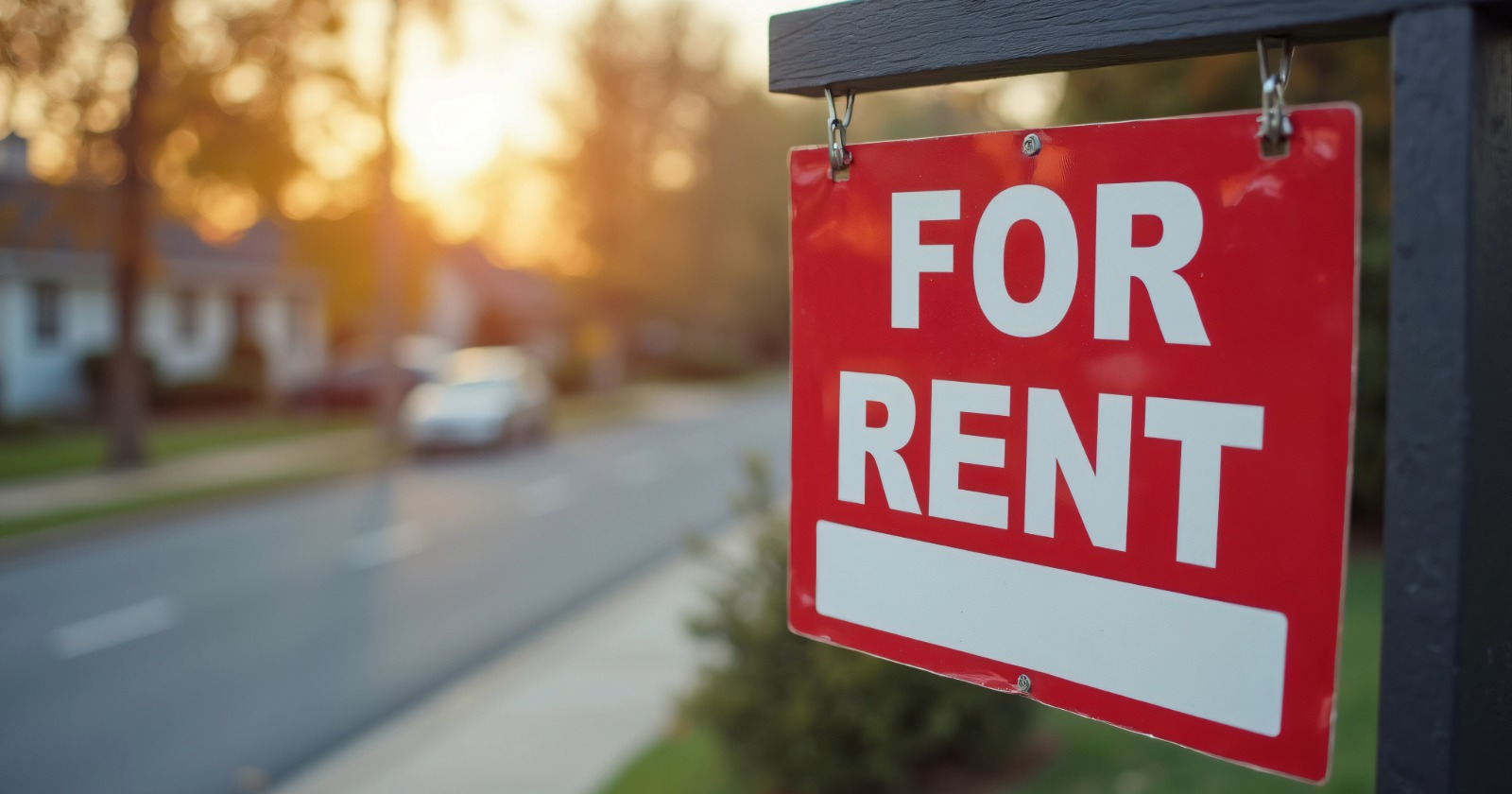
Setting the right rent price is a balancing act. Price too high and the unit sits empty while your carrying costs pile up. Price too low and you leave money on the table every month for the length of the lease agreement. The goal is a number the local market supports, one that a qualified tenant will pay and renew at. This guide covers the tools landlords actually use to find that number, from comparable listings to reference benchmarks, along with the limits you have to respect and the traps that cost owners the most money.
Start With Local Comparables
The most reliable way to price a rental is to study what similar units nearby are actually renting for. Look at listings that match yours on the details that drive value: bedroom and bathroom count, square footage, condition, and location within the same neighborhood or school zone. Focus on units that leased recently, not ones that have lingered for months, because a stale asking price tells you what the market rejected rather than what it accepted. Three or four close comps give you a realistic range to work within.
Read the comps carefully rather than just averaging the numbers. A unit listed at a high price that has been available for two months is not a comp, it is a warning. A unit that leased within a week or two is a much better signal of what the market will actually bear. Note what those units include, since a rent that covers heat and water is not comparable to one where the tenant pays every utility. Also weigh the little differences: a renovated kitchen, a second bathroom, or a dedicated parking space can explain a gap of a hundred dollars or more. Your job is to place your unit within that range based on how it honestly stacks up against the ones that moved fast.
The 1% Guideline and Where It Breaks Down
You may hear about the 1% guideline, the rough idea that monthly rent should land near 1 percent of the property's value. It is a quick sanity check for an investment, not a pricing method for a specific unit. The guideline breaks down badly in real markets. In expensive coastal metros, rents almost never reach 1 percent of a home's price, because prices have climbed far faster than rents, so a strict reading would tell you to charge an amount no tenant would pay. In some lower-cost areas the ratio runs higher than 1 percent. The guideline can flag a property that is mispriced as an investment, but it says nothing about what a tenant in a particular neighborhood will pay this month. Use it as an opening sniff test, then let real comps set the number.
Use HUD Fair Market Rent as a Reference
The Department of Housing and Urban Development (HUD) publishes Fair Market Rent (FMR) figures for metro areas and counties across the country. FMR is generally set around the 40th percentile of local rents for standard-quality units, and it is used to calculate payment standards in the Housing Choice Voucher program. For a private landlord it is a useful public benchmark: it tells you roughly where the lower-to-middle band of the market sits in your area, and it updates each year. It is a reference point, not a ceiling and not a target. A well-located, updated unit will often rent above FMR, while a dated unit in a weak submarket may sit below it. You can look up the figure for your area with our Fair Market Rent lookup tool and use it to sense-check the range your comps produced.
Adjust for Condition, Amenities, and Location
Once you have a market range, adjust for the features that make your unit better or worse than the comps. Updated kitchens and bathrooms, in-unit laundry, central air, a dishwasher, off-street parking, and outdoor space all support a higher number. Dated finishes, no parking, a walk-up on the top floor, or a noisy street pull it down. Location does heavy lifting too: proximity to transit, major employers, and desirable schools moves rent more than almost any single amenity, which is why the same floor plan can command very different rents a mile apart.
Be honest in this step, because tenants comparison-shop and they notice when a tired unit is priced like a renovated one. If your unit is a notch below the comps in condition, price it a notch below and it will move. If you have invested in real upgrades, document them in the listing so the higher price reads as justified rather than assumed. Small, visible improvements before listing, such as fresh paint, clean floors, and working fixtures, often return more in achievable rent than they cost, and they help a unit stand out in a crowded search.
Respect Rent Control and Legal Ceilings
Some jurisdictions cap what you can charge or, more often, how much you can raise rent on an existing tenant each year. Rent-control and rent-stabilization rules exist in parts of states like New York, California, Oregon, and others, and they can apply to specific cities or building types rather than a whole state. These laws also govern the notice you must give before an increase and how often you may raise rent. Before you set or raise a rent, confirm whether any ceiling applies to your property and your unit type, since exemptions for newer construction or owner-occupied buildings are common. Getting this wrong can force you to roll back an increase and refund the difference, so verify the local rule rather than assuming your area has none.
Account for Seasonality
Rental demand is not flat across the year, and the timing of your vacancy affects the rent you can achieve. In most markets, late spring and summer see the most movers and the strongest demand, so a unit listed then can often command a bit more and lease faster. Late fall and winter tend to be slower, with fewer applicants and more price sensitivity. If your lease is ending in a slow month, consider a shorter or slightly longer term that shifts the next turnover into a stronger season. Aligning renewals and turnovers with peak demand is a quiet way to lift income over time without touching the base price at all.
Weigh Vacancy Against Overpricing
A vacant unit earns nothing, so the true cost of overpricing is not just a lower rent, it is the weeks the place sits empty. Run the math before you reach for the top of the range. If pushing the rent an extra fifty dollars a month adds even a few weeks of vacancy, you can lose more than a year of that premium before you break even, and that ignores the extra advertising and turnover costs. A unit priced at or slightly below the top of its realistic range tends to attract more applicants, which lets you choose a stronger, more stable tenant and fill the vacancy faster. Speed and tenant quality often beat squeezing out the last few dollars of headline rent.
Put the Number to the Test
Pricing is not a one-time decision. List at your researched number and watch the response over the first week or two, because the market answers quickly. Strong interest and quick, qualified applications suggest you are priced right or a touch low. Silence, or a stream of tours with no applications, is the market telling you the number is high. Adjust early rather than letting the listing go stale and lose its momentum. Once you have signed a tenant, revisit the rent at renewal using fresh comps and any legal limits, so your price keeps pace with the market without driving a good tenant away. A reliable tenant at a fair rent is usually worth more than a higher number that ends in another turnover.
Sources
Frequently Asked Questions
What is the 1% rule for rent?
It is a rough guideline that monthly rent should be near 1 percent of the property's value. It works as a quick investment sanity check, but it is not a real pricing method. Actual rent depends on local comparable listings, condition, and demand, which vary far more than the 1 percent figure suggests.
What is HUD Fair Market Rent and can I charge it?
Fair Market Rent is a benchmark HUD publishes for local areas, generally set around the 40th percentile of area rents and used to calculate Housing Choice Voucher payment standards. It is a public reference point, not a legal cap or a target price. You can charge above or below it depending on your unit and market.
How do I avoid pricing my rental too high?
Anchor your price to three or four recent comparable rentals, adjust honestly for condition and amenities, and watch the response after you list. Few applications usually means the price is too high. Remember that a longer vacancy can cost more than the extra rent you were hoping to collect.
Along with his duties at YourBillofSale, Paul Oak covers residential real estate, landlord-tenant law, and rental documentation. With a background in property management and legal compliance, he breaks down the fine print that most renters and landlords skip over. His goal is simple: help people understand what they're signing before it becomes a problem.
View all posts →Create Your Lease Agreement
Need a lease agreement? Create one now for $7.99 - state-specific and professionally formatted.
Get Started - $7.99