
Blog
Guides, tips, and state-specific information about lease agreements and rental transactions.
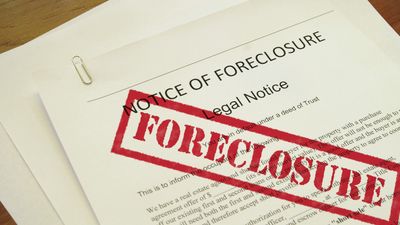
Tenant Rights When the Rental Goes Into Foreclosure
When a landlord loses the property to foreclosure, the tenant does not automatically lose the home. A federal law lets most leases survive and guarantees at least 90 days of notice. Here is how it works.
 Paul Oak · July 31, 2026 at 1:09 PM ET
How Much Notice Does a Tenant Have to Give Before Moving Out?
How much notice you owe before moving out depends on your lease type. Here is the difference between month-to-month and fixed-term leases, why written notice matters, and what happens if you leave early.
 Jill Stradley · July 29, 2026 at 2:25 PM ET
24 States Let Your Landlord Charge Any Security Deposit They Want
Half the country sets no legal ceiling on security deposits. We reviewed all 50 states and DC to find where the limit exists, where it does not, and what actually protects you when the law will not.
Paul Oak · July 28, 2026 at 12:32 PM ET 
What Quiet Enjoyment Means and Why It Is in Every Lease
The covenant of quiet enjoyment gives every tenant the right to use their home without unreasonable interference. Here is what it covers and how it is enforced.
Jill Stradley · July 27, 2026 at 11:59 AM ET 
Squatters vs Tenants vs Guests: Who Has Rights and How to Remove Each
A guest, a tenant, and a squatter each carry different legal rights, and the wrong removal method can expose a landlord to real liability. Here is how to tell them apart and the correct path for each.
Jill Stradley · July 24, 2026 at 1:12 PM ET 
How to Evict a Tenant: The Legal Eviction Process, Step by Step
A plain-English walkthrough of the lawful eviction process for landlords: valid grounds, written notice, filing the lawsuit, the hearing, the writ, and the hard rule against self-help.
Paul Oak · July 23, 2026 at 12:15 PM ET 
In 36 States, Your Rent Is Legally Late the Day It Is Due
Most renters assume a grace period is the law. We reviewed all 50 states and DC: only 15 states guarantee one. In the other 36, rent is late the day after it is due unless your lease says otherwise.
Paul Oak · July 22, 2026 at 12:17 PM ET 
What a Move-Out Inspection Should Cover
A thorough move-out inspection protects the deposit refund for both sides. Here is what to check, how to document it against the move-in record, and how to handle deductions fairly.
Paul Oak · July 21, 2026 at 11:39 AM ET 
How Much Can a Sacramento Landlord Legally Increase Your Rent? The City Just Updated the Limit
Sacramento raised its annual rent increase cap to 8.6 percent for 2026 under the Tenant Protection Program. Here is who is covered, how the limit is set, and what landlords may charge.
Jill Stradley · July 20, 2026 at 12:22 PM ET 
What Happens to Your Security Deposit When the Rental Is Sold
When your rental changes owners mid-lease, your deposit does not disappear. Here is how it transfers, what the new owner owes you, and what you should document to protect it.
Paul Oak · July 19, 2026 at 12:53 PM ET 
14 States Owe You Interest on Your Security Deposit, and Most Renters Never Collect It
In 14 states plus DC the law requires your landlord to pay you interest on the deposit they are holding. It is real money, and most tenants walk away without ever asking for it.
Jill Stradley · July 17, 2026 at 11:45 AM ET 
How Much Can I Charge for Rent? A Landlord's Guide to Pricing a Rental
How to set a rent price that fills the unit and covers your costs: local comps, the 1% guideline, HUD Fair Market Rent as a reference, condition adjustments, and rent-control limits.
Paul Oak · July 16, 2026 at 12:08 PM ET 
Sublease vs Assignment: What Is the Difference?
A sublease and an assignment both bring a new person into a rental, but they split liability in very different ways. This guide explains who stays responsible, when landlord consent is needed, and how to choose the right one.
Paul Oak · July 15, 2026 at 12:50 PM ET 
How to Legally Screen a Tenant: What You Can and Cannot Ask
A practical walkthrough of tenant screening that keeps you inside the Fair Housing Act and the Fair Credit Reporting Act, from the application to the adverse action notice.
Paul Oak · July 14, 2026 at 12:15 PM ET 
How to Legally Break a Lease Early: A Tenant's Guide
Breaking a lease early is not always a default. Federal and state law protect certain reasons, and many landlords must try to re-rent. Here is how to leave without owing the rest of your lease.
Jill Stradley · July 13, 2026 at 12:12 PM ET 
Illinois Lease Agreement Requirements: What Landlords Must Include
Illinois leases must respect state security deposit laws and required disclosures, and Chicago adds stricter rules of its own. Here is what landlords need to include so a lease holds up.
Jill Stradley · July 10, 2026 at 11:51 AM ET 
South Carolina Lease Agreement Requirements: What to Include
A South Carolina lease is governed by the state Residential Landlord and Tenant Act, which sets specific rules for deposits, disclosures, and notice. This guide explains what to include so your lease matches South Carolina law.
Paul Oak · July 9, 2026 at 11:48 AM ET 
Florida Sublease Agreement: What to Include and the Rules
Florida does not give renters an automatic right to sublet, so your lease controls. If the lease requires landlord consent, you need it. Here is what a Florida sublease should include and why you stay responsible.
Jill Stradley · July 8, 2026 at 11:46 AM ET 
New York Sublease Agreement: The Rules Tenants and Landlords Must Know
New York gives many tenants a statutory right to sublease, but that right comes with a precise procedure. This guide explains Real Property Law 226-b, the consent rules, the written request steps, and why the original tenant stays on the hook.
Paul Oak · July 7, 2026 at 11:06 AM ET 
Texas Sublease Agreement: What to Put in Writing
Texas law does not let a tenant sublet on a whim. You generally need your landlord's written consent first, and you stay on the hook for the original lease. Here is what a Texas sublease should spell out.
Jill Stradley · July 6, 2026 at 12:28 PM ET 
Maximum Late Fee by State: How Much Can a Landlord Legally Charge?
There is no single national cap on rent late fees, so what is legal depends almost entirely on your state and your lease. Some states set a hard percentage or dollar limit, many simply require the fee to be reasonable, and most expect a grace period first. Here is how to tell whether the fee on your lease would actually hold up.
Jill Stradley · July 3, 2026 at 12:17 PM ET 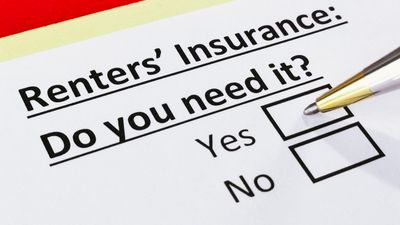
Is Renters Insurance Required by Law? What Renters Actually Have to Carry
No US state forces a tenant to buy renters insurance, so the legal answer is no. The reason so many renters carry it anyway is that a landlord can require it in the lease, which turns it into a contract obligation rather than a legal one. Here is what that distinction means for you.
Jill Stradley · July 2, 2026 at 11:45 AM ET 
Arkansas Lease Agreement Requirements: What Landlords Must Include
Arkansas treats landlords and tenants differently than most states, and a few of those differences show up directly in the lease. This guide walks through the deposit cap, the small-landlord exemption, disclosures, and notice periods so your Arkansas lease holds up.
Paul Oak · July 1, 2026 at 11:49 AM ET 
What HUD Fair Market Rent Is and How to Use It to Price Your Rental
HUD publishes a Fair Market Rent figure for every area in the country, and many landlords misread it as a rent cap. It is not. Used correctly, FMR is one useful reference point for pricing your rental, not a ceiling on what you can charge.
Paul Oak · June 30, 2026 at 11:00 AM ET 
Washington DC Month-to-Month Lease: Notice and the Rules Landlords Miss
A DC month-to-month tenancy is not the easy off-ramp landlords expect. The 30-day notice is only half the story, because DC generally requires a legal for-cause reason to end even a month-to-month arrangement. Here is what trips owners up.
Paul Oak · June 29, 2026 at 11:15 AM ET 
Florida's Radon Disclosure: What Every Lease Must Say
Florida law requires most rental agreements to include a specific radon gas notice, with wording set by statute. It is a short paragraph, but leaving it out means your lease is missing a legally required disclosure. Here is exactly what the notice says, who it applies to, and how it fits with the federal lead-paint rule.
Jill Stradley · June 28, 2026 at 12:22 PM ET 
How to Handle a Security Deposit Dispute as a Tenant
A landlord keeping more of your deposit than you think is fair is one of the most common renting disputes there is, and tenants lose them constantly for one reason: no proof. The deductions you can fight come down to what you documented, and most of that happens before you ever move out.
Jill Stradley · June 26, 2026 at 11:46 AM ET 
Are Lease Options and Rent-to-Own Agreements Legal in Texas?
Rent-to-own deals are legal in Texas, but the state regulates them more tightly than almost anywhere else. If your agreement is an executory contract for conveyance, strict disclosure and recording duties kick in. Here is what that means for sellers and buyers.
Paul Oak · June 25, 2026 at 11:51 AM ET 
Ohio Lease Agreement Requirements: What Landlords Must Include
Ohio gives landlords more room than many states, with no statewide rent control and no cap on security deposits, but that freedom comes with specific duties that trip up landlords who assume the lack of limits means a lack of rules. Here is what an Ohio lease has to get right.
Paul Oak · June 24, 2026 at 11:52 AM ET 
What Happens to a Lease When the Tenant Dies?
A lease does not simply vanish when a tenant passes away. The obligation usually moves to the tenant's estate, and many states give the estate a written way to end the lease early. Here is how rent, the deposit, and belongings get handled.
Paul Oak · June 23, 2026 at 11:11 AM ET