
Who Pays for Pest Control in a Rental?
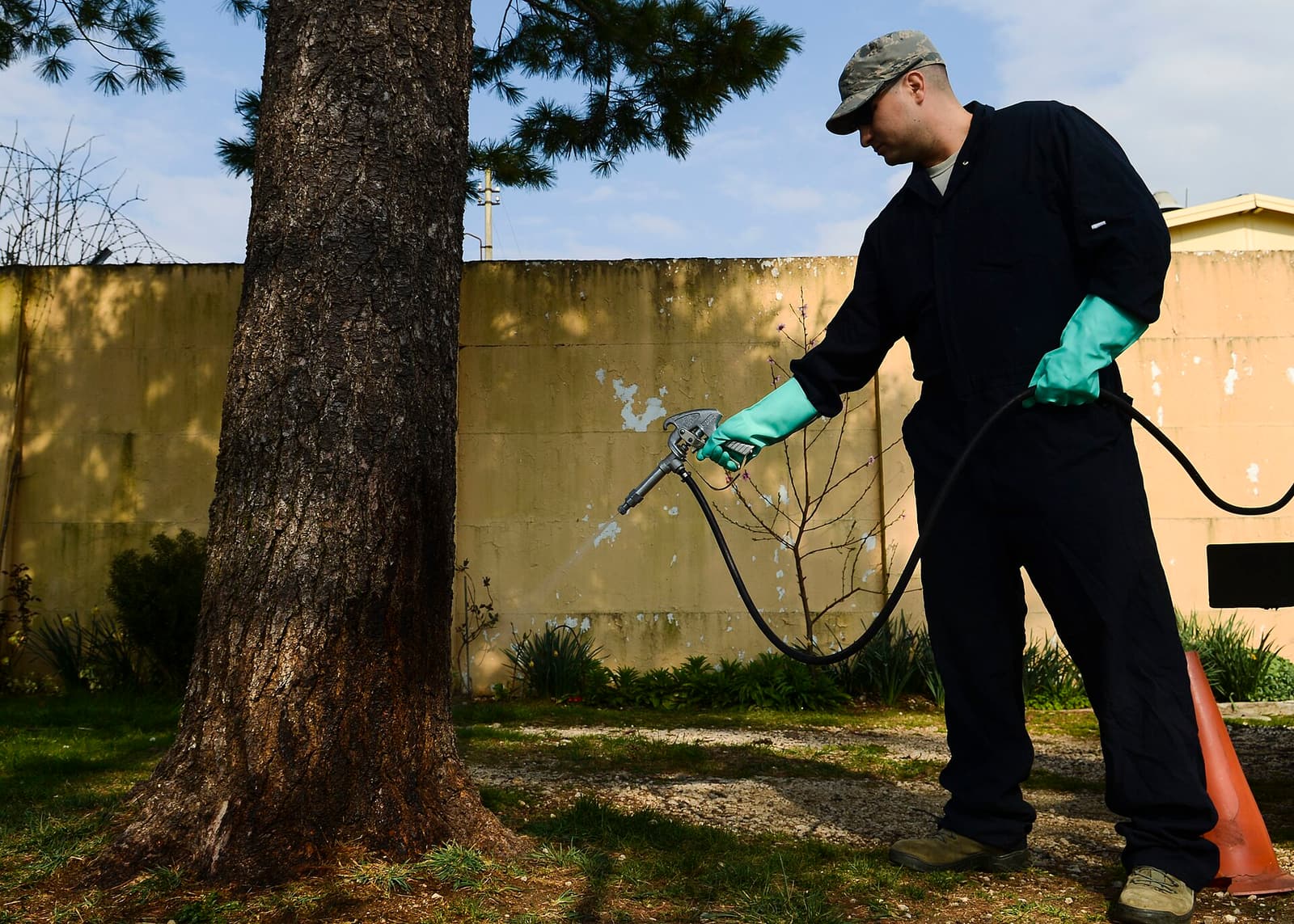
Roaches in the kitchen, mice in the walls, or the discovery nobody wants to make about bed bugs. The tenant says the landlord should handle it, the landlord says the tenant brought it in, and both point at the lease. The law usually has a clearer answer than the argument suggests, and it starts with habitability rather than with whose fault it is.
The default: it is a habitability problem
Every residential lease carries an implied warranty of habitability, which requires the unit to be fit to live in. A genuine infestation of roaches, rodents, or similar pests is treated in most states as a habitability defect, and habitability defects are the landlord's to remedy. That is the starting point, before anyone gets to the question of blame.
The logic is strongest in multi-unit buildings, where pests move through shared walls, plumbing chases, and common areas. A single tenant cannot solve a building-wide problem by cleaning their own kitchen, which is why treating the building is the landlord's job. See habitability and the implied warranty.
The exception: the tenant caused it
Responsibility shifts when the tenant created the conditions. Sanitation bad enough to attract pests, hoarding, or bringing infested secondhand furniture into the unit can all put the cost on the tenant. What landlords underestimate is the proof problem: in an older building, or one with prior infestation history, or where neighboring units have the same issue, showing that this tenant caused it is genuinely difficult. Assertion is not evidence.
Bed bugs get their own rules
Bed bugs have become a distinct legal category in a growing number of states and cities. Depending on where the property is, the law may require the landlord to treat regardless of origin, prohibit renting a unit with a known active infestation, impose a deadline to begin treatment after notice, or require disclosure of recent infestation history to prospective tenants.
The reason for the special treatment is practical. Bed bugs travel on luggage, clothing, and furniture, spread readily between units, and are almost never traceable to a single tenant. Rules that make treatment the landlord's duty avoid a fight nobody can win on evidence. Check your state and city specifically, because this is one of the faster-moving areas of landlord-tenant law.
What the lease can and cannot do
A clause making the tenant responsible for all pest control is common and frequently unenforceable, because most states do not permit a tenant to waive the implied warranty of habitability. What a lease can reasonably do:
- Assign routine preventive service, such as scheduled quarterly treatment.
- Require the tenant to report infestations promptly, in writing.
- Require cooperation with treatment, including preparation like bagging clothing and providing access.
- Make the tenant responsible for infestations they demonstrably caused.
That last item is the one that has to be applied honestly rather than as a default answer. For what a lease can legitimately shift and what it cannot, see what makes a lease legally binding.
Tenants: what to do first
- Report in writing. Email is fine, and it is what starts the landlord's clock and preserves your remedies. A phone call leaves no record.
- Document it. Photos, dates, and where you are seeing pests. Note whether neighbors have the same problem, which undercuts any claim that you caused it.
- Give reasonable time, then follow up in writing.
- Escalate to code enforcement or the health department if nothing happens. Their inspection creates an independent record.
- Consider repair and deduct or other remedies if your state allows them, following the procedure exactly. See repair and deduct.
If the landlord responds to your complaint with a rent increase or a termination notice, that timing may itself be unlawful retaliation. See what a landlord cannot do.
Landlords: treat quickly, document thoroughly
Fast treatment is almost always cheaper than the alternative. Infestations grow, spread to neighboring units, and can support rent withholding, code citations, or a habitability defense in an eviction case. Keep records of every report, every treatment, and every invoice, both because it demonstrates you met the obligation and because it establishes the building's history if you ever need to show a later infestation was tenant-caused. Move-in and move-out inspections that note pest conditions are useful for exactly the same reason; see move-in inspection.