
You signed a lease but the unit is not ready: your options

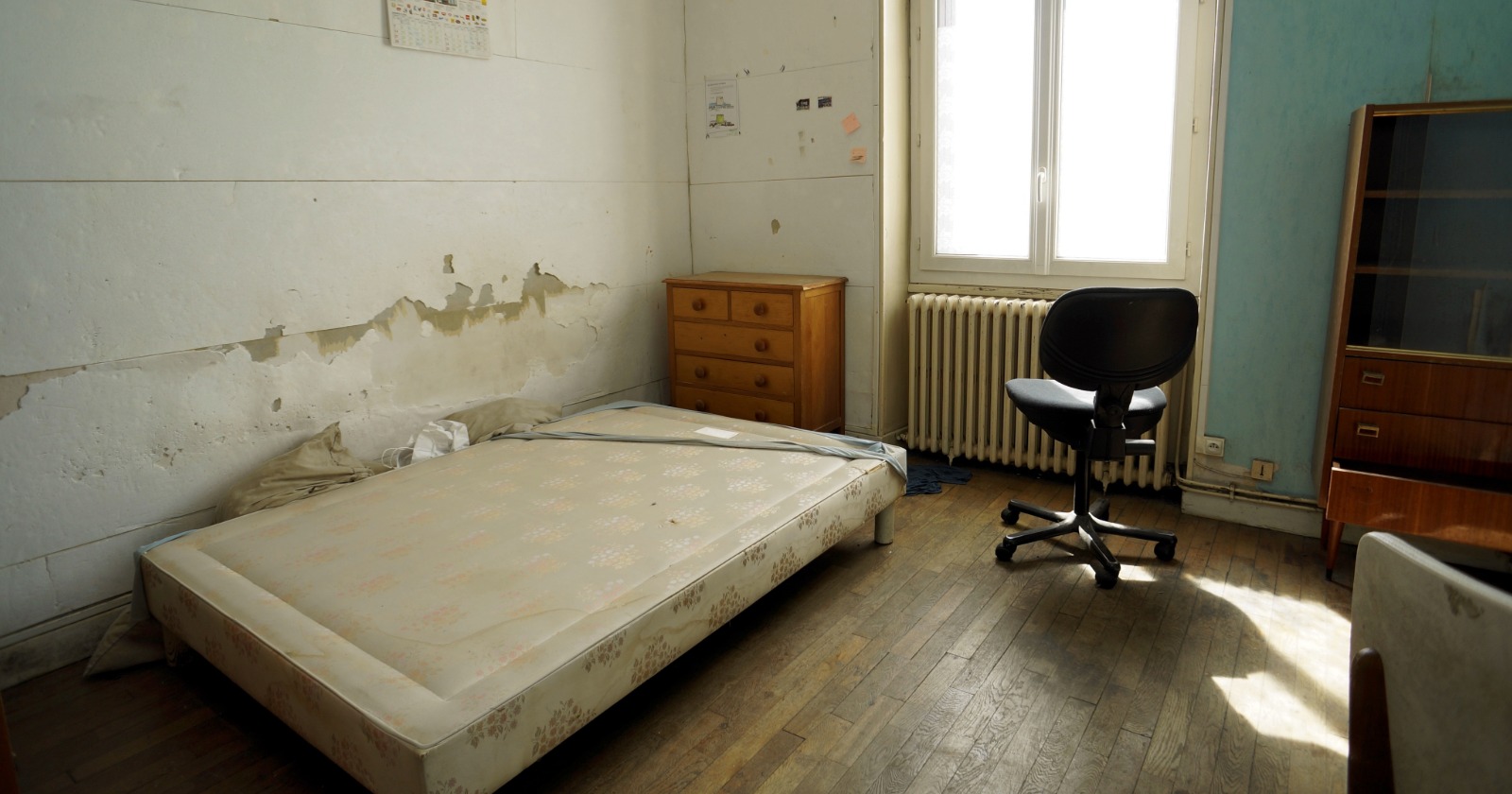
You signed a residential lease, paid the deposit, and showed up with a moving truck, only to find the old tenant still there or the landlord's furniture filling the living room. In most places the landlord has a duty to deliver possession on the lease start date, which means handing you a unit you can actually move into. When that does not happen, you have options, and what you write down in the first few hours matters.
What the landlord owes you on day one
Delivering possession means the unit is free of other occupants and available to you on the first day of the term. Arizona states the duty plainly in its landlord-tenant act. At the start of the term, the landlord "shall deliver possession of the premises to the tenant in compliance with the rental agreement." Many states have a similar rule, either in a statute or through court decisions.
Arizona also spells out what the tenant can do when the landlord falls short, which makes it a useful model even if you rent somewhere else. The three options below follow that statute.
What counts as not ready
Three situations come up again and again. The prior tenant is holding over, meaning they stayed past their move-out date. Repairs or renovations are unfinished, so the unit has no working water, missing flooring, or an open wall. Or the landlord's own belongings are still inside, from furniture to boxes stacked in the closets.
The first can block possession outright. The last depends on degree. A few items left in a garage may be a nuisance you can work around, while a living room full of furniture keeps you from moving in. Arizona treats one situation differently. If the unit is empty but not fit to live in, the state sends you to its separate repair remedies, and rent does not automatically stop.
Option one: wait, and stop paying for days you cannot use
If you still want the place, you can wait for it. Under Arizona law, when the landlord fails to deliver physical possession, rent abates until possession is delivered. Abate means the rent stops running, so you owe nothing for the days you were kept out.
Put the arrangement in writing. Ask the landlord to confirm the new move-in date and the prorated rent for the first month. Without a written agreement, a landlord may later claim you owe the full month.
Option two: cancel and get your money back
If the delay wrecks your plans, you may be able to end the lease. In Arizona, a tenant can terminate on at least five days' written notice to the landlord, and the landlord must then return all prepaid rent and security. That covers the first month's rent and the deposit you paid at signing.
Send the notice in a way you can prove, and follow any notice method your lease requires. Certified mail works, and an email sent the same day adds a timestamp. State the date you were supposed to move in, what you found, and that you are ending the lease under your state's law. Keep a copy.
Option three: hold the landlord to the lease and claim damages
Arizona gives a third path. You can demand that the landlord perform the lease, sue for possession against the landlord or anyone wrongfully in the unit, and recover the damages you suffered. Damages can include costs such as hotel bills, storage fees, and extra moving charges caused by the delay. Save every receipt.
If the landlord's failure to deliver was willful and not in good faith, Arizona lets you recover an amount up to the greater of two months' periodic rent or twice your actual damages. Small claims court handles many of these cases, though filing limits and fees vary by state and county.
Whose job it is to remove a holdover tenant
When the prior tenant will not leave, clearing them out is the landlord's problem. Arizona's statute gives the landlord the right to bring an action for possession against any person wrongfully in possession and to recover damages from that person. That eviction can take weeks, which is why waiting works only when the landlord can give you a realistic date.
Do not try to move in around the other occupant or haul their things out yourself. A holdover tenant usually has to be removed through the courts, and a confrontation can turn into a dispute you do not need. Let the landlord handle the removal, and put your own choice among the three options in writing.
Some landlords offer a different unit, a short-term rental, or a rent credit to make up for the delay. You can take a reasonable offer, but get the details in writing: which unit, for how long, who pays for the extra move, and whether your original lease terms carry over. Accepting a substitute without writing it down can make a later damages claim harder to prove.
Document it the day you arrive
Take dated photos and video of every room before you touch anything. Capture the prior tenant's belongings, the landlord's furniture, the unfinished work, and anything else that keeps you out. Save texts and emails with the landlord, and write down the time and substance of each phone call. If a prior tenant is still living there, note it without confronting them.
Then send the landlord a short written message the same day. Describe what you found, say that the unit was not delivered on the start date, and ask when it will be. That message starts the paper trail you need for rent abatement, a refund, or a damages claim.
Other states have their own rules
Arizona's statute is a clear example, and many states follow similar rules. Others leave the question to court decisions or to the lease itself, and a lease clause about delayed possession can change the math. Read yours before you act, since some leases set a date after which you may cancel or spell out a rent credit for a short delay.
Look up your state's landlord-tenant statute, or call a local legal aid office, before you pick a remedy. When you sign your next lease agreement, check that it names a firm start date and says what happens if possession is delayed.
Sources
Frequently Asked Questions
Do I have to pay rent if my apartment is not ready on move-in day?
In states with a rule like Arizona's, rent stops running until the landlord delivers possession. Get the new move-in date and the prorated rent in writing so the landlord cannot later bill you for days you were kept out.
Can I cancel my lease if the unit is not ready?
Often, yes. Arizona lets a tenant end the lease with at least five days' written notice when the landlord fails to deliver possession, and the landlord must return all prepaid rent and the security deposit. Other states set their own rules.
Can I make the landlord pay for my hotel?
You may be able to recover hotel, storage, and extra moving costs as damages caused by the delay. Keep every receipt, along with a written record of when you told the landlord the unit was not ready.
Jill Stradley covers landlord-tenant law, lease agreements, and the fine print that renters and landlords skip until something goes wrong. Her goal is to make state-specific rental law readable for people who aren't lawyers and don't want to become one. She lives in a rental herself and considers that a professional asset.
View all posts →Create Your Lease Agreement
Need a lease agreement? Create one now for $7.99 - state-specific and professionally formatted.
Get Started - $7.99