
The Implied Warranty of Habitability: What Your Landlord Must Fix

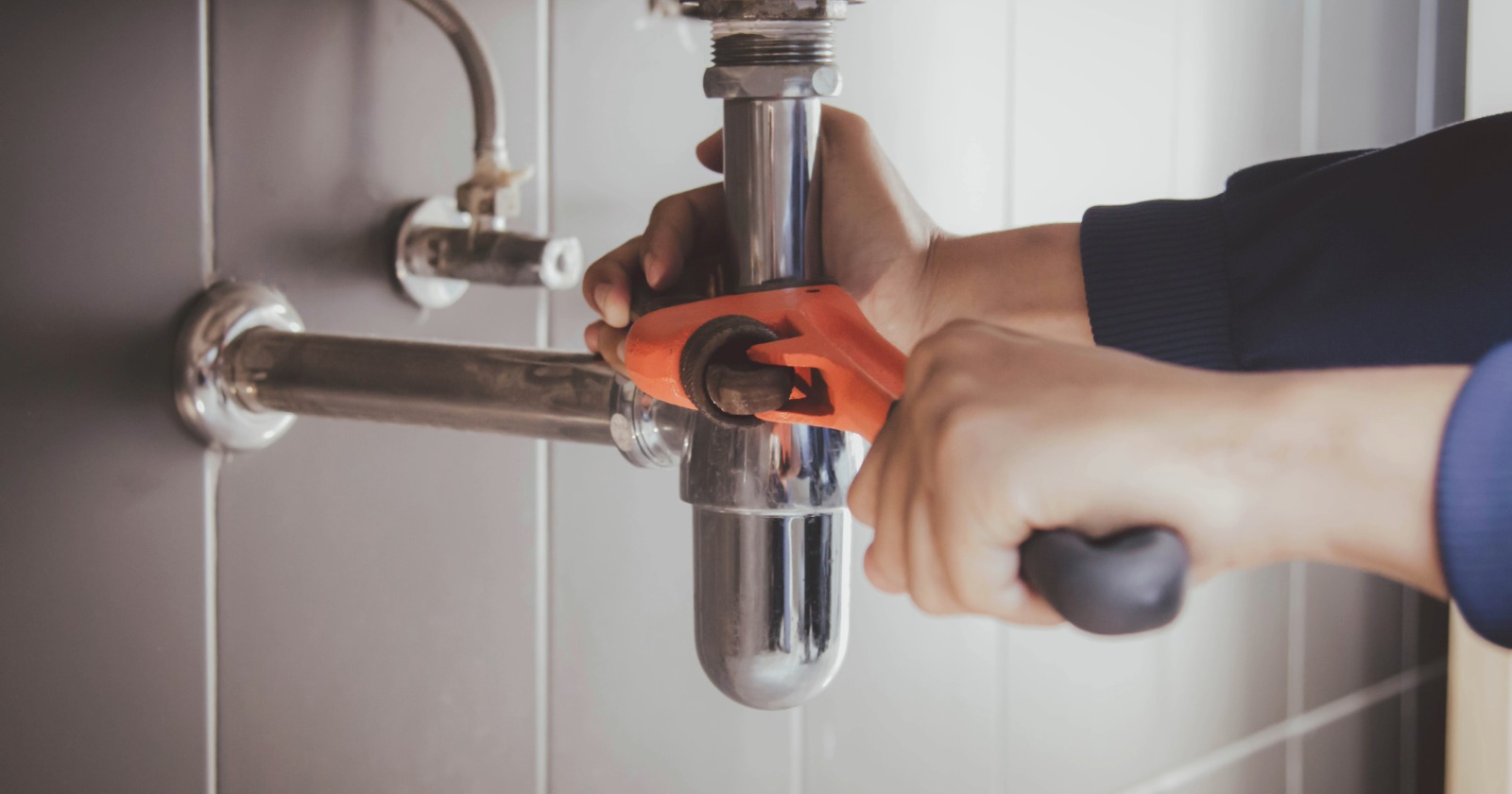
Nearly every residential lease in the United States carries an unwritten promise called the implied warranty of habitability. It means the home must be fit to live in, whether or not the written agreement says so, and it applies even when a tenant never asked for it. The warranty does not require a perfect apartment or fast cosmetic fixes. It requires the basics of a safe and livable dwelling, and it gives a tenant real leverage when a landlord ignores a serious problem.
What the warranty actually promises
The core promise is livability. A rental must have the essential services and conditions a person needs to occupy it safely: heat in cold months, running water, hot water, working plumbing, functioning electrical service, a sound structure, and freedom from serious health hazards. The duty runs to the landlord for the life of the tenancy, not only on move-in day. If a working furnace fails in January or the plumbing backs up in March, the obligation to restore livable conditions applies just as strongly as it did the day the tenant received the keys.
Where the doctrine came from
For most of legal history, a lease was treated as a transfer of land, and a tenant took the property as it was, with little recourse if it fell apart. That changed across the second half of the twentieth century, as courts in state after state recognized that people rent homes to live in, not plots of dirt, and that a modern dwelling is only as valuable as its working systems. The warranty is now recognized in nearly every state, though the exact contours, and whether it lives in court decisions or in a statute, differ from place to place.
What counts as uninhabitable
The conditions that breach the warranty are the ones that make a home genuinely unsafe or unlivable. Common examples include no heat or no running water, raw sewage or persistent flooding, dangerous electrical wiring, a roof or wall that lets in the weather, a broken lock on an exterior door, a gas leak, and a serious infestation of rodents or insects that the landlord will not address. Many states tie the standard to the local building and health codes, so a condition that violates those codes is often a breach of the warranty as well.
What does not count
The warranty protects livability, not preference. Peeling paint that poses no lead hazard, a dated kitchen, a stain on the carpet, a scratchy dishwasher, or a small cosmetic crack usually do not rise to a breach. Nor does a problem the tenant caused. If the household damaged the plumbing or invited the infestation through neglect, the landlord's duty shrinks accordingly. The line is drawn at health and safety, so a tenant weighing whether to act should ask whether the condition threatens the ability to live in the unit safely, not merely whether it is annoying.
The remedies a tenant can use
When a landlord fails to repair a serious defect after proper notice, most states give a tenant one or more remedies. Repair-and-deduct lets a tenant arrange the fix and subtract the reasonable cost from the rent, usually up to a capped amount. Rent withholding lets a tenant hold back rent, sometimes into an escrow account, until the landlord restores livable conditions. Reporting the condition to a local code enforcement or health agency can trigger an inspection and an order to repair. In severe cases, a tenant may treat the unit as effectively uninhabitable, move out, and end the lease under a theory of constructive eviction.
The limits on those remedies
None of these tools is a free pass, and using them incorrectly can put a tenant in default. Most states require written notice to the landlord and a reasonable chance to fix the problem first. Repair-and-deduct is usually capped and limited to genuine habitability defects, not upgrades. Rent withholding often must be done precisely, sometimes by paying into escrow rather than simply keeping the money, or the tenant risks an eviction for nonpayment. Because the exact rules, dollar caps, and notice periods vary widely by state, a tenant should confirm the local procedure before withholding a single dollar.
Why a lease cannot waive it
One of the strongest features of the warranty is that it cannot be signed away. A clause in a lease agreement that purports to waive habitability, or that shifts the duty to keep the unit livable onto the tenant, is generally void and unenforceable in states that recognize the doctrine. Landlords cannot contract out of the obligation, and tenants do not lose it by signing a document that claims otherwise. This holds across tenant-heavy markets such as New York and far beyond.
Steps to take when something breaks
The reliable sequence is notice, documentation, and escalation. Report the problem to the landlord in writing and keep a copy. Photograph the condition and save any repair requests and responses. Give a reasonable time to fix it, then, if nothing happens, confirm which remedy the state allows and follow its exact procedure. Handled this way, the warranty is not just a principle. It is an enforceable right that keeps a rental fit to live in.
Sources
Frequently Asked Questions
Can a landlord make me waive the warranty of habitability in the lease?
No. In states that recognize the doctrine, a lease clause that waives habitability or shifts the duty to keep the unit livable onto the tenant is generally void and unenforceable. The landlord cannot contract out of the obligation, and signing such a clause does not cost the tenant the protection.
What conditions breach the warranty of habitability?
Serious health and safety defects breach it, such as no heat or running water, raw sewage, dangerous wiring, a structure that lets in the weather, a broken exterior lock, a gas leak, or a serious infestation the landlord will not address. Cosmetic issues and tenant-caused damage usually do not qualify.
Can I stop paying rent if my landlord will not make repairs?
Sometimes, but only if you follow your state's exact procedure. Most states require written notice and a reasonable chance to repair first, and rent withholding often must be paid into an escrow account rather than simply kept. Doing it incorrectly can lead to an eviction for nonpayment, so confirm the local rules before withholding.
Jill Stradley covers landlord-tenant law, lease agreements, and the fine print that renters and landlords skip until something goes wrong. Her goal is to make state-specific rental law readable for people who aren't lawyers and don't want to become one. She lives in a rental herself and considers that a professional asset.
View all posts →Create Your Lease Agreement
Need a lease agreement? Create one now for $7.99 - state-specific and professionally formatted.
Get Started - $7.99