
What Landlords Must Disclose About Mold and Lead Paint

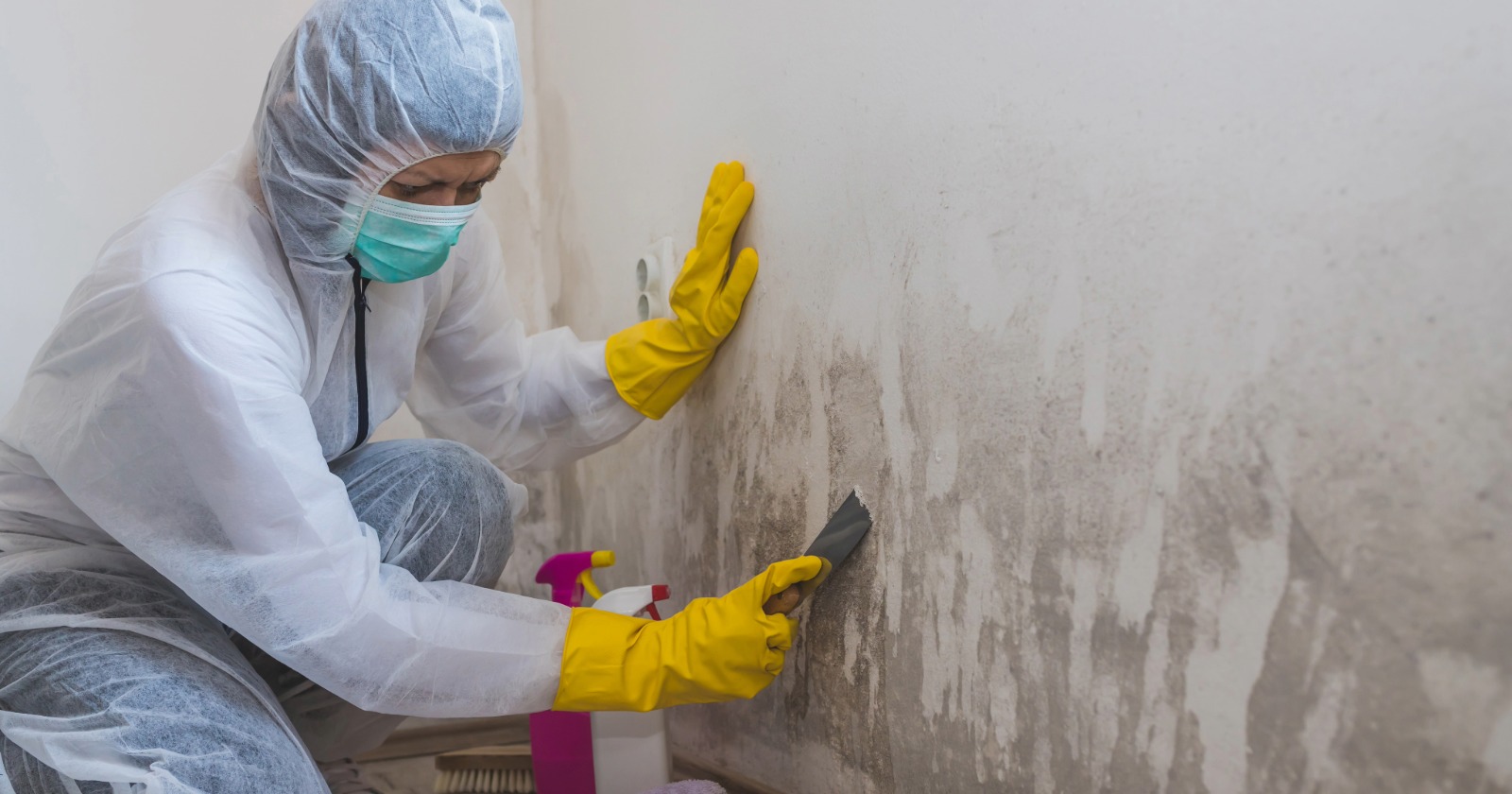
Most lease disclosures are matters of state law that vary from one place to the next, but two stand apart and deserve their own attention: lead-based paint and mold. Lead paint is governed by a federal rule with real teeth, applies to a huge share of older housing, and carries serious penalties for getting it wrong. Mold is a newer and messier area, regulated by a growing patchwork of state laws rather than a single federal standard, but with real liability for landlords who ignore a known problem. Treating both correctly is part of protecting yourself as much as your tenant, because the penalties and lawsuits land on the landlord who cut the corner.
The Federal Lead Paint Rule Is Not Optional
Federal law requires landlords of most housing built before 1978 to disclose known lead-based paint and lead hazards before a tenant signs a lease. This is not a state-by-state matter, it applies nationwide, and the requirements are specific. The landlord must disclose any known lead-based paint and provide any records or reports they have, give the tenant a federally approved lead hazard information pamphlet, and include a lead warning statement in the lease with signatures confirming the disclosure was made. The 1978 cutoff exists because lead-based paint was banned for residential use that year, so older homes are the ones at risk. If your rental predates 1978, this disclosure is mandatory, full stop.
Why the Lead Disclosure Is Worth Taking Seriously
The penalties for failing to disclose lead paint are among the steepest of any landlord obligation. Violations can bring substantial federal fines, and a landlord who fails to disclose can also be held liable for damages if a tenant or their child is harmed by lead exposure. Lead is particularly dangerous to young children, which is why the law treats the disclosure as non-negotiable. The cost of compliance is essentially zero, a form, a pamphlet, and a signature, while the cost of skipping it can be enormous, so there is no rational reason to gamble on it. Keep the signed disclosure for years after the tenancy, because the documentation is what proves you met the requirement.
Mold Disclosure Is a Patchwork, Not a Single Rule
Mold is where it gets less tidy. There is no single federal mold disclosure law for rentals the way there is for lead paint. Instead, a number of states have enacted their own mold disclosure or remediation requirements, and they vary widely in what they demand. Some require landlords to disclose known mold or past mold problems, some set standards for remediation, and many say nothing specific at all, leaving mold to general habitability law. Because the rules differ so much, a landlord has to check their own state, since assuming there is no obligation can be a costly mistake in a state that does impose one.
It helps to separate disclosure from remediation, because they are different obligations. A disclosure rule requires you to tell a prospective tenant about mold you know of, usually in writing before signing. A remediation rule governs how you have to clean up mold once it appears and who pays. A state can have one, both, or neither, and the lease should reflect whichever apply where the property sits. The cheapest mistake to avoid is staying silent about a mold history in a state that requires you to disclose it, because that silence is the exact thing a tenant points to when a problem resurfaces.
The Habitability Backstop on Mold
Even in states with no specific mold disclosure statute, landlords are not off the hook, because the implied warranty of habitability requires rental housing to be fit to live in. A serious mold problem caused by a leak the landlord failed to fix can violate that warranty regardless of whether a specific mold law exists, which exposes the landlord to repair obligations, rent withholding in some states, or a habitability claim. The practical lesson is that ignoring a known mold issue is risky everywhere, not just in states with explicit mold statutes. Disclosing what you know and fixing the underlying cause is the defensible position, while staying quiet about a problem you are aware of is the one that turns into a lawsuit.
How to Handle Both in Your Lease
For lead paint, use the federal disclosure form and warning statement, attach the required pamphlet, and get the tenant signature confirming receipt, every time you rent a pre-1978 unit. For mold, check your state requirements and, where disclosure is required, include it, and even where it is not, disclosing any known mold history and your remediation of it is the safer practice. Beyond these two, remember that your state likely requires other disclosures as well, and a state-aware lease assembles the right ones for where the property sits. Building the required disclosures into your lease agreement from the start is how you avoid the gap that a tenant or a regulator later points to. Where required disclosures vary by state, our state requirements guidance walks through what your specific state expects.
Sources
Frequently Asked Questions
Do landlords have to disclose lead paint?
Yes, if the housing was built before 1978. Federal law requires landlords of most pre-1978 housing to disclose known lead-based paint and hazards, provide any records they have, give the tenant a federally approved lead hazard pamphlet, and include a signed lead warning statement in the lease. The 1978 cutoff exists because lead-based paint was banned for residential use that year.
What are the penalties for not disclosing lead paint?
They are severe. Failing to disclose lead paint can bring substantial federal fines, and a landlord can also be held liable for damages if a tenant or their child is harmed by lead exposure. Because compliance costs almost nothing while the penalties can be enormous, there is no good reason to skip the disclosure on a pre-1978 rental.
Are landlords required to disclose mold?
It depends on the state. Unlike lead paint, there is no single federal mold disclosure law, and states vary widely, with some requiring disclosure of known mold and many saying nothing specific. Even where no mold statute exists, the implied warranty of habitability means ignoring a known mold problem can expose a landlord to liability, so disclosing and fixing it is the safer course everywhere.
Along with his duties at YourBillofSale, Paul Oak covers residential real estate, landlord-tenant law, and rental documentation. With a background in property management and legal compliance, he breaks down the fine print that most renters and landlords skip over. His goal is simple: help people understand what they're signing before it becomes a problem.
View all posts →Create Your Lease Agreement
Need a lease agreement? Create one now for $7.99 - state-specific and professionally formatted.
Get Started - $7.99