
Repair and deduct: When a tenant can legally fix it and subtract the cost

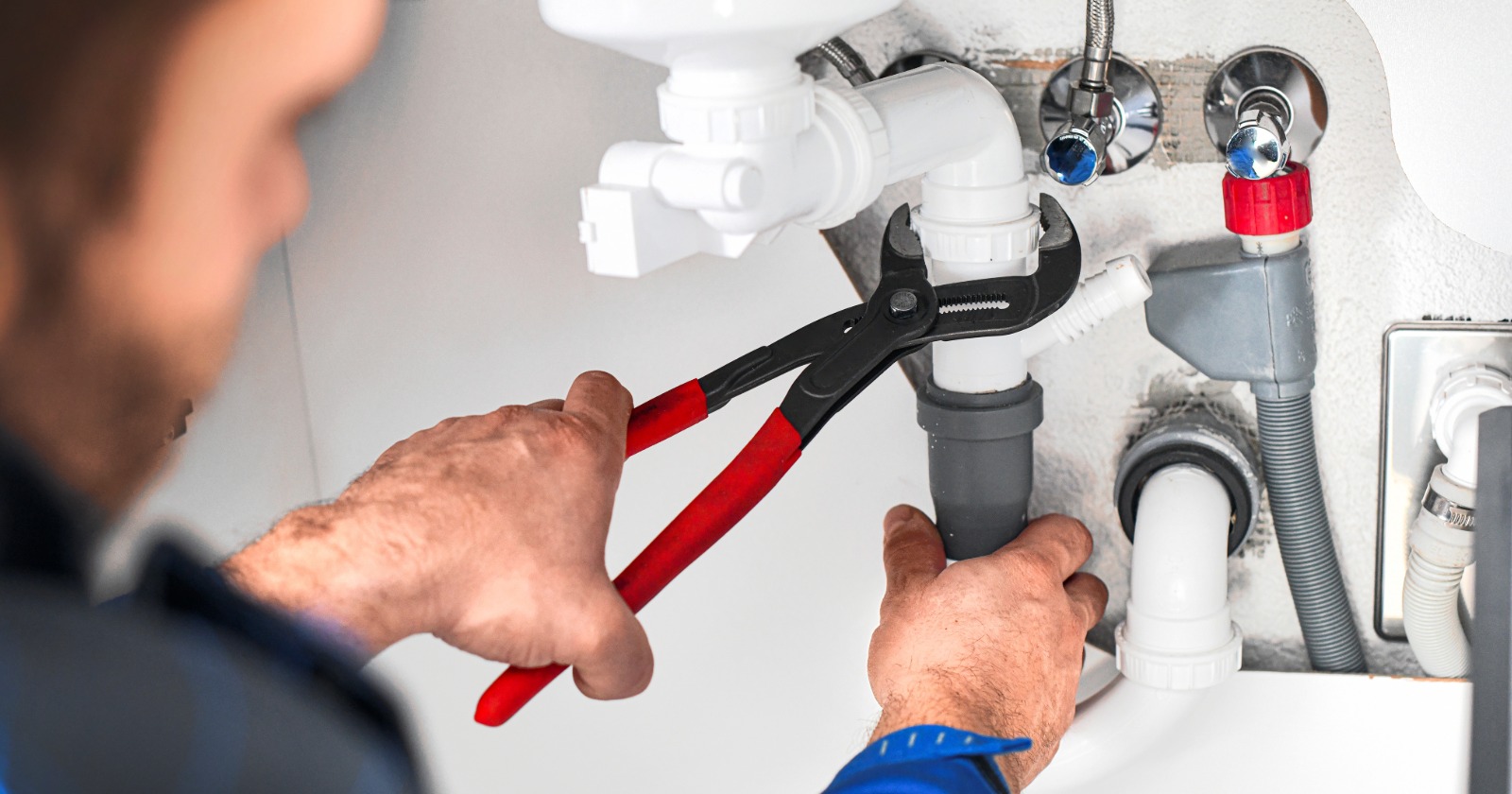
Repair and deduct is a legal remedy that lets a tenant pay for an urgent repair the landlord has ignored and subtract the cost from the next rent payment. It is powerful and narrow at the same time. Used correctly, it forces a fix without a lawsuit. Used carelessly, it can hand the landlord grounds to claim unpaid rent. The remedy exists in most states, though the dollar limits and the steps differ, and your residential lease cannot waive it in states that protect it. A tenant in California follows a different cap than one in Texas.
What repair and deduct actually means
The remedy applies when a rental has a serious defect that the landlord is responsible for fixing and has failed to address after proper notice. Think of no heat in winter, no running water, a broken lock on an exterior door, a gas leak, or a failed sewage line. The tenant arranges the repair, pays a licensed professional, and deducts the reasonable cost from rent, keeping the receipt. It is not a tool for cosmetic complaints or for problems the tenant caused. It also is not a way to skip rent; the deduction must match a real, documented repair cost that the law allows.
The remedy sits alongside other tenant options, and choosing the right one matters. Instead of repairing and deducting, a tenant may in some states withhold rent entirely until the landlord fixes the problem, sue for the reduced value of the uninhabitable unit, or report the violation to a local housing inspector. Repair and deduct is attractive because it produces an actual fix rather than a legal fight, but it also puts the tenant in the role of contractor and record-keeper. Weigh whether the problem is one you can safely and affordably arrange to fix, or whether another remedy fits the situation better.
It starts with the implied warranty of habitability
Repair and deduct rests on the implied warranty of habitability, the rule in nearly every state that a landlord must keep a rental fit to live in. That warranty covers working heat, safe wiring, plumbing, hot and cold water, secure doors and windows, and freedom from serious pest infestations. The federal Department of Housing and Urban Development, known as HUD, publishes tenant-rights summaries that point renters to these state protections. When a landlord breaches the warranty by leaving a serious defect unrepaired, several remedies open up, and repair and deduct is one of the most direct.
Give proper written notice first
Notice is the step tenants skip at their peril. Before deducting a dime, you must tell the landlord about the defect in writing and ask for a repair. A dated letter or a documented message creates the record that later proves you gave the landlord a fair chance. State statutes generally require this written notice, and some require it to be delivered a specific way. Keep a copy of exactly what you sent and when. Verbal complaints, however sincere, are hard to prove and often fail to satisfy the statute, which can defeat an otherwise valid deduction.
Allow a reasonable time to fix
After notice, the landlord gets a reasonable time to fix the problem before you may act. Many states define this as a set number of days, often 14, though a true emergency such as no heat in freezing weather can shorten it. What counts as reasonable depends on the severity and the danger involved. A burst pipe flooding the unit demands a faster response than a slow-draining sink. Do not jump straight to hiring a contractor. Wait out the statutory period, confirm the landlord has not acted, and only then move forward with the repair.
Emergencies change the calculus, and most statutes account for that. A defect that threatens health or safety, such as no heat in deep cold, a sewage backup, or a gas leak, can justify a much faster response and, in some states, immediate action after a good-faith attempt to reach the landlord. Even then, document the attempt to notify. Keep phone logs, texts, and emails showing you tried to reach the landlord and gave a chance to respond. The faster you move, the more important that record becomes, because a court will ask whether the landlord truly had an opportunity to act first.
Know the dollar and percentage caps
Most states that allow repair and deduct cap how much you may subtract. The cap is often stated as a dollar figure, a fraction of the monthly rent, or the greater of the two. California, for example, limits the remedy to the cost of one month rent and lets a tenant use it no more than twice in a 12-month period under Cal. Civ. Code section 1942. Texas ties its remedy to the greater of one month rent or 500 dollars under its Property Code. Because the ceiling varies widely, confirm your state exact limit before you spend, since a deduction over the cap is not protected.
The cap also shapes what kind of repair fits the remedy. Because most states limit the deduction to one month rent or a modest dollar figure, repair and deduct works best for discrete, urgent fixes: a water heater, a broken furnace part, a failed lock, a burst supply line. It is a poor fit for major work like a roof replacement or a full rewiring job, where the cost dwarfs the cap and the tenant would be left absorbing the difference. For large or structural problems, a housing inspector complaint or a habitability lawsuit usually serves the tenant better than a self-help repair.
Document the repair
Documentation is what turns a self-help repair into a defensible one. Photograph the defect before the work, keep your written notice and the landlord response, get an itemized invoice from a licensed professional, and photograph the completed repair. When you deduct, send the landlord a short written statement with the receipt attached, showing the amount and the reason. If a dispute reaches court, this paper trail is the difference between a tenant who followed the law and one who simply withheld rent. Neat records also discourage a landlord from filing in the first place.
The risk of doing it wrong
The risk of getting it wrong is real. If you skip notice, exceed the cap, use the remedy for a problem your state does not cover, or deduct for a defect you caused, the landlord can treat the shortfall as unpaid rent and start an eviction. Some states do not offer repair and deduct at all and instead require rent escrow or a court action. When the repair is expensive, the defect is contested, or you are unsure your state allows the remedy, get advice from a local legal aid office or tenants rights group before acting. The safe path is notice, patience, a lawful cap, and clean records.
Sources
Frequently Asked Questions
Can I use repair and deduct for any repair?
No. It applies to serious defects that make a unit unsafe or unfit, such as no heat, water, or a broken exterior lock. Cosmetic issues and tenant-caused damage do not qualify.
How much can I deduct?
Most states cap the amount, often at one month rent or a set dollar figure, and limit how often you can use the remedy. Check your state statute before spending.
What if my state does not allow repair and deduct?
Some states require rent escrow or a court action instead. If you are unsure, contact a local legal aid office before withholding or deducting any rent.
Along with his duties at YourBillofSale, Paul Oak covers residential real estate, landlord-tenant law, and rental documentation. With a background in property management and legal compliance, he breaks down the fine print that most renters and landlords skip over. His goal is simple: help people understand what they're signing before it becomes a problem.
View all posts →Create Your Lease Agreement
Need a lease agreement? Create one now for $7.99 - state-specific and professionally formatted.
Get Started - $7.99