
Mobile home park lot leases: how they differ from an apartment lease

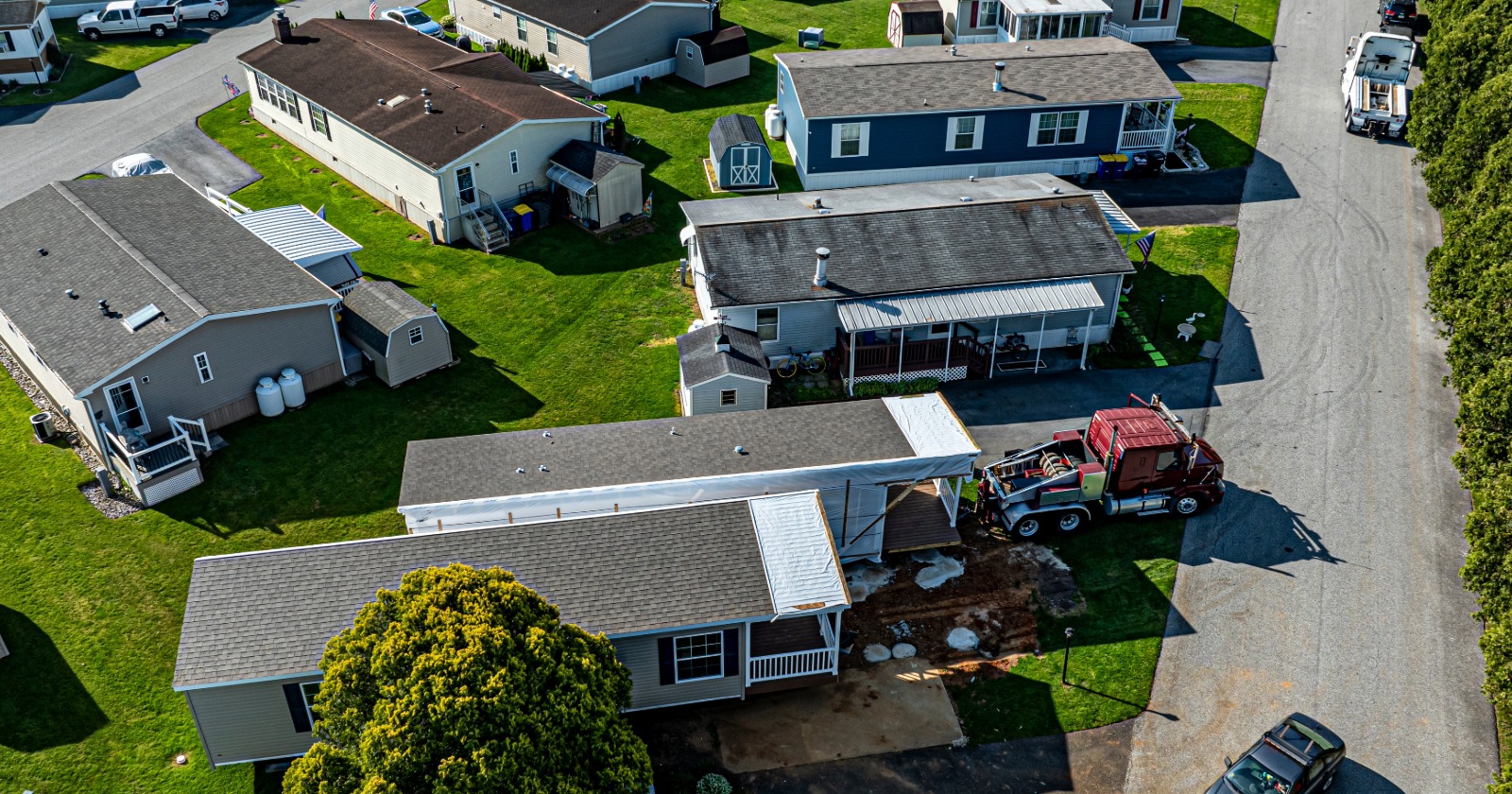
Renting a lot in a mobile home park is an odd hybrid. You own the home, but you rent the ground under it. The lot lease, sometimes called a lot rental agreement, covers the land, the park's rules, and the monthly lot rent. It looks a lot like a residential lease on paper, but moving a home is costly and sometimes impossible, so many states protect lot renters with separate laws that go further than ordinary apartment rules.
A separate law for park residents
Many states have a dedicated manufactured housing or mobile home park law. Florida covers park lot tenancies in Chapter 723 of its statutes, one of the most detailed of these laws. California has the Mobilehome Residency Law in its Civil Code. These laws sit apart from each state's general landlord-tenant rules. If you rent a lot, look for your state's version before relying on anything written for apartment renters.
Longer notice before rent goes up
Apartment tenants usually face a rent increase at renewal, or after the short notice their state sets for month-to-month renters. Park residents often get more time. In Florida, a park owner must give each affected homeowner written notice at least 90 days before any increase in lot rent, any reduction in services or utilities, or any change in park rules. The statute says a homeowner cannot waive that 90-day right in an agreement with the park.
Florida also gives residents a voice. A committee of up to five people, chosen by the affected homeowners or by their association's board, can meet with the park owner to discuss the increase. At that meeting, the owner must disclose and explain in good faith the factors behind the change.
Eviction only for listed reasons
An apartment landlord can often end a month-to-month tenancy with simple notice. A park owner usually cannot, because evicting a lot renter can mean forcing a home off the land. Florida allows a park owner to evict a homeowner only on five grounds: nonpayment of lot rent; a conviction for a law violation that harms the health, safety, or welfare of other residents; violation of a park rule, the rental agreement, or the chapter; a change in the use of the park land; and a buyer's failure to qualify for and obtain approval to become a tenant.
Even the listed grounds come with process. For unpaid lot rent, the default has to continue for five days after the park delivers a written demand for payment. A second violation of the same rule within 12 months can support eviction, but only if the park gave written notice of the first violation and seven days to fix it.
The change-in-use ground has its own safeguard. Before a Florida park owner can evict residents because the land is changing from mobile home lots to another use, the owner must give the homeowners' association written notice of its right to buy the park at the stated price and terms. The association then has 45 days after the notice is mailed to sign and deliver a purchase contract.
Park rules are part of the deal
Park rules cover things an apartment lease rarely touches, such as skirting, sheds, landscaping, parking, and pets. They bind residents, but the park cannot change them overnight. In Florida, a rule change needs the same 90-day notice as a rent increase, and the statute bars applying a rule arbitrarily and using it as a ground for eviction.
Selling your home in place
Most owners sell the home where it sits, since moving it is costly. The buyer usually needs the park's approval to become a tenant. In Florida, a buyer who meets the park's entry requirements may become a tenant subject to the park owner's approval, and that approval "may not be unreasonably withheld." The buyer can cancel the purchase if the park has not approved the tenancy five days before closing.
A Florida buyer can also take over the rest of the seller's lot rental agreement. Once that assumed agreement ends, the park can raise the buyer's rent, as long as the increase was disclosed before the buyer moved in. Lifetime leases and automatic renewal terms usually do not transfer, unless the rental agreement allows it or the transfer is to the homeowner's spouse.
What happens to the lot lease when the homeowner dies
A death leaves two things tangled together: the home, which passes to heirs or the estate, and the lot lease, which is a contract with the park. Lot rent keeps coming due, and the park can pursue it from the estate like any other debt.
California addresses this directly. An heir, joint tenant, or personal representative who gains ownership of the home through the owner's death has the right to sell it in place to a third party. That right depends on paying the rent, utilities, and reasonable upkeep that come due after the death, as they come due, until the home is resold. If those bills go unpaid, the park can require the home's removal. An heir who wants to live there must meet the same requirements as any other buyer.
Florida lets a lifetime lease pass to the homeowner's spouse, and that spousal assumption can happen only once during the lease term. Rules for other relatives vary by state, so an heir should read the lot rental agreement, call the park office early, and check the state's park law before the rent falls behind.
What to review before you sign a lot lease
Because leaving is so expensive, the time to negotiate is before you move a home in or buy one already in place. Ask for the current lot rent and a history of past increases. Read the full set of park rules, including rules on home age, additions, and guests. Find out which utilities and services the lot rent covers, how long the term runs, and whether the agreement can pass to a buyer or a spouse.
In Florida, ask for the park's prospectus too, since the statute lets a buyer assume the seller's prospectus along with the rest of the lot rental agreement. Everywhere else, find your state's mobile home park law and keep a copy of the lot lease with your title papers, where an heir or buyer can find it later.
Sources
Frequently Asked Questions
How much notice does a mobile home park have to give before raising lot rent?
It depends on the state. Florida requires written notice at least 90 days before any lot rent increase, and a homeowner cannot waive that right in an agreement with the park. Check your state's mobile home park law for its notice period.
Can a mobile home park evict me without a reason?
In states with park-specific laws, usually no. Florida lets a park owner evict a homeowner only on five grounds, including unpaid lot rent, rule violations, and a change in the land's use. Other states set their own lists.
Can my heirs sell my mobile home and keep it in the park?
In California, an heir or personal representative can sell the home in place if the rent, utilities, and upkeep that come due after the death are paid. Other states handle this differently, so heirs should check the state's park law.
Jill Stradley covers landlord-tenant law, lease agreements, and the fine print that renters and landlords skip until something goes wrong. Her goal is to make state-specific rental law readable for people who aren't lawyers and don't want to become one. She lives in a rental herself and considers that a professional asset.
View all posts →Create Your Lease Agreement
Need a lease agreement? Create one now for $7.99 - state-specific and professionally formatted.
Get Started - $7.99