
Lease vs Rental Agreement: Are They the Same Thing?

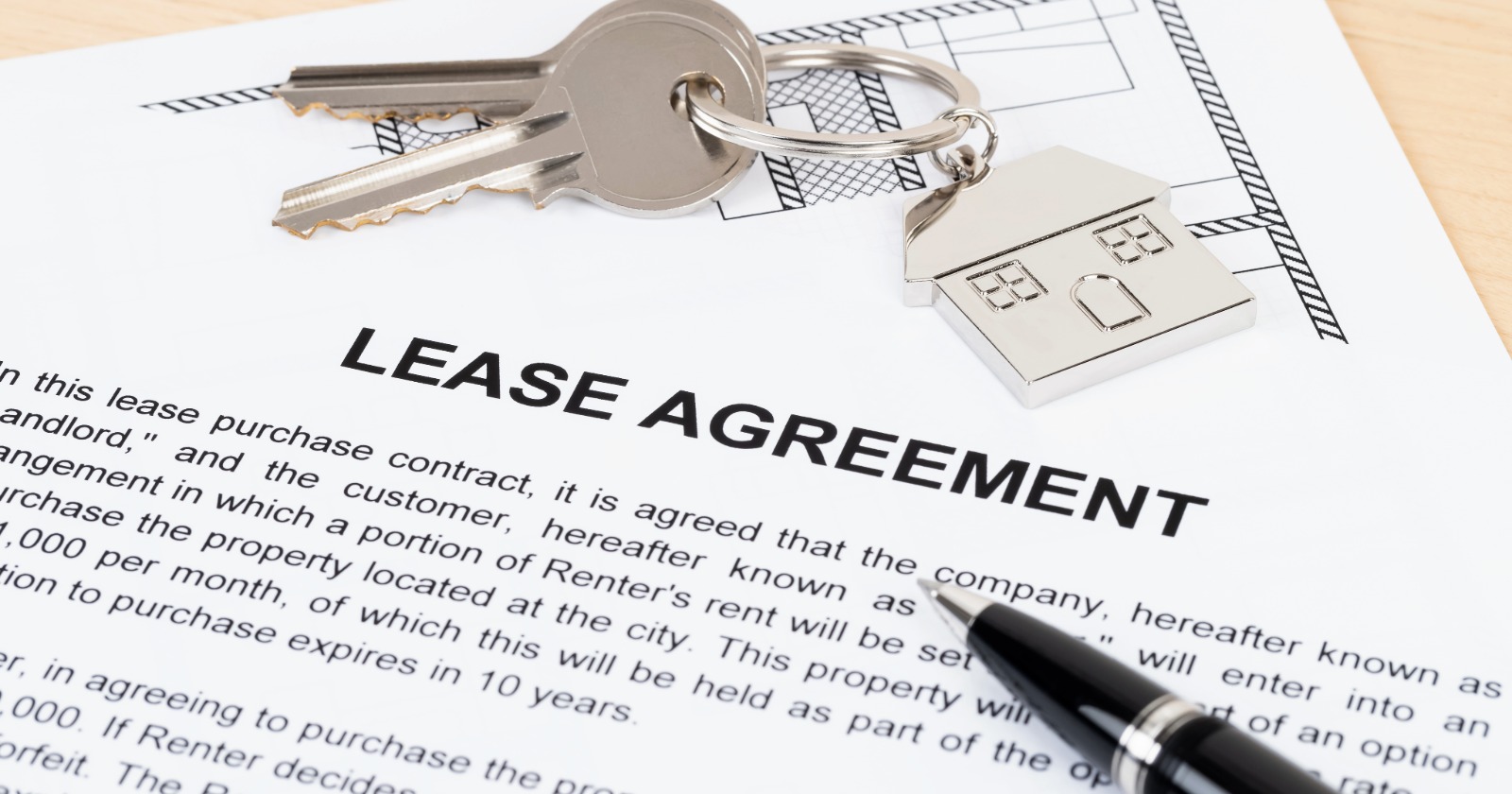
Many renters sign paperwork without realizing that a lease and a rental agreement are not always the same document. In everyday speech the two terms get swapped freely, and most landlords and tenants treat them as one and the same. In legal practice, though, the words usually point to two different structures for the same relationship. A lease normally locks in a fixed term, while a rental agreement normally runs on a shorter repeating cycle. Knowing which one you hold tells you how long you are committed, how rent can change, and how much notice either side must give before the arrangement ends.
The core difference is the length of the term
The practical split comes down to duration. A lease agreement in the strict sense commits both sides to a fixed period, most commonly twelve months, during which the agreed terms stay locked. A rental agreement in the strict sense runs on a periodic basis, usually month to month, and renews automatically each cycle until someone ends it. A residential lease is the classic example of the first type, and a month-to-month agreement is the classic example of the second. Almost everything else that differs between the two flows from that single distinction. The Legal Information Institute (LII) at Cornell Law School defines a lease as a contract that transfers the right to possess property for a defined period, which is exactly the fixed-term idea at work here.
What a fixed-term lease actually does
A fixed-term lease freezes the deal for its full length. The rent stays the same for the whole term, and the landlord cannot raise it in the middle unless the lease itself contains a specific clause allowing that. Neither side can walk away early without either a legal reason or a penalty spelled out in the document. In exchange for that commitment, the tenant gets stability and predictable housing costs, and the landlord gets a reliable occupant and steady income. When the term ends, the lease either expires, renews for another fixed period, or in many states rolls over into a month-to-month arrangement by default. That stability is the main reason landlords favor fixed terms for long-term tenants. It also shapes the remedies if things go wrong, because a tenant who leaves before the term is up may owe rent for the remaining months unless the landlord re-rents the unit, and a landlord who removes a tenant without cause during the term may face a claim for breaking the contract. The fixed length, in other words, cuts both ways and binds both parties equally.
How a month-to-month rental agreement works
A month-to-month rental agreement renews itself at the start of each period and continues indefinitely until either party ends it. That flexibility is its defining feature. Either side may terminate by giving proper written notice, which is commonly thirty days but varies by state and by how long the tenant has lived there. The landlord may also change the rent or other terms with the same kind of advance notice, rather than waiting for a term to expire. This structure suits short stays, uncertain plans, and situations where either side wants an easy exit. The tradeoff is less certainty, because the terms you rely on this month can shift next month with proper notice.
Why the two terms get used interchangeably
The labels blur because the paperwork blurs them. Plenty of forms are titled Residential Lease Agreement yet describe a month-to-month arrangement in the body, and plenty of documents called rental agreements set a fixed twelve-month term. Courts do not decide the question by the title on the page. They read the actual terms and ask whether the arrangement is fixed or periodic. So the name printed at the top matters far less than the clauses that set the length of the term and the notice each side must give. When you evaluate a document, read the term and notice sections first and ignore the heading.
What changes for the landlord
For a landlord, the choice is a trade between predictability and flexibility. A fixed-term lease guarantees occupancy and income for the whole period, which reduces vacancy risk and turnover costs. It also ties the landlord's hands, because the rent and terms cannot move until the term ends. A month-to-month agreement lets the landlord adjust rent, update terms, or reclaim the unit on short notice, which is useful in a rising market or when a sale is possible. The cost is uncertainty, since a good tenant can give notice and leave with little warning. A landlord juggling several units often mixes the two, holding new or unproven tenants on month to month and moving reliable ones onto fixed terms once trust is established.
What changes for the tenant
For a tenant, the same trade runs in reverse. A fixed-term lease protects the rent amount and the right to stay for the full period, which makes budgeting simple and removes the fear of a sudden increase. It also commits the tenant, so leaving early usually means paying to break the agreement. A month-to-month arrangement gives freedom to relocate for a job, a family change, or a better place with only a notice period to satisfy. The price of that freedom is exposure to rent increases and to a termination notice from the landlord.
Which structure to use and when
Choose the structure that matches your certainty. If you know you want to stay put for a year or more and you value a locked rent, a fixed-term lease is the stronger fit. If your plans are open, your stay is short, or you want the option to leave quickly, a month-to-month agreement serves you better. Landlords tend to prefer fixed terms for stability and reach for month to month when they need room to maneuver. Whichever you select, read the term length, the notice requirement, and any rent-change clause before you sign, because those provisions define the real deal regardless of what the document is called.
Sources
Frequently Asked Questions
Is a lease legally stronger than a rental agreement?
Neither is inherently stronger. Both are binding contracts. A fixed-term lease simply commits both sides for a set period, while a rental agreement renews on a shorter cycle. Enforceability depends on the terms and on state law, not on which label the document carries.
Can a landlord raise rent during a fixed-term lease?
Generally no, unless the lease contains a specific clause permitting a mid-term increase. In a standard twelve-month lease the rent is locked for the full term. A month-to-month rental agreement is different, because the landlord may change the rent with proper written notice.
What happens when a fixed-term lease ends?
It depends on the lease and state law. The lease may expire and require you to leave, renew for another fixed term, or automatically convert to a month-to-month arrangement. Many states default to month to month if the tenant stays and keeps paying rent that the landlord accepts.
Along with his duties at YourBillofSale, Paul Oak covers residential real estate, landlord-tenant law, and rental documentation. With a background in property management and legal compliance, he breaks down the fine print that most renters and landlords skip over. His goal is simple: help people understand what they're signing before it becomes a problem.
View all posts →Create Your Lease Agreement
Need a lease agreement? Create one now for $7.99 - state-specific and professionally formatted.
Get Started - $7.99