
Keys, locks, and lockouts: who can change them and when

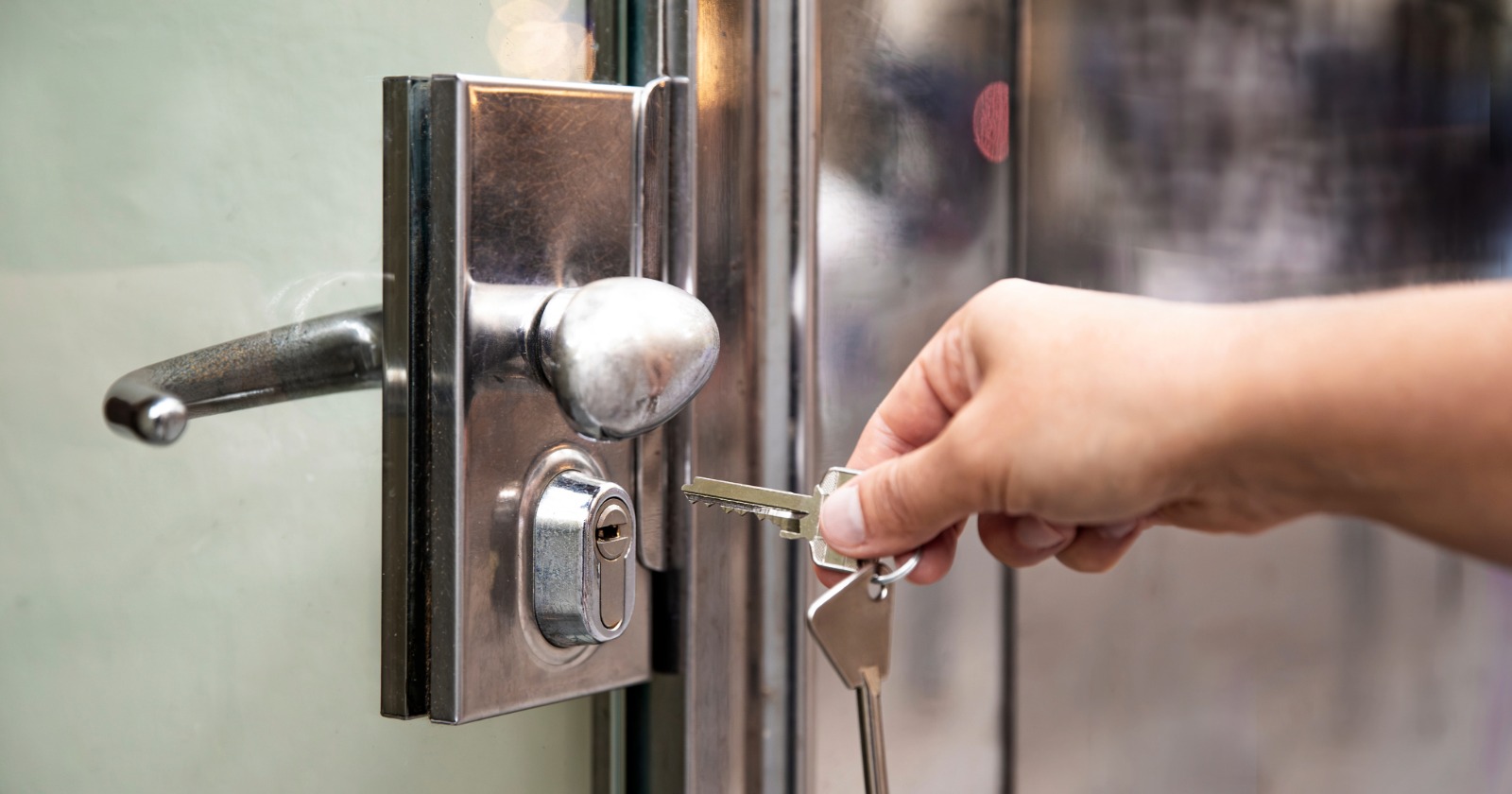
A lockout is what happens when a landlord changes the locks, removes a door, or shuts off a utility to push a tenant out without going to court. It is one of the few things in landlord and tenant law that is close to uniform across the country, and the answer is that it is illegal. Eviction runs through a judge and, at the end, a sheriff or marshal. A landlord with a locksmith is not a substitute for either.
Self help eviction is unlawful in nearly every state
Washington states the rule about as plainly as a statute can: It is unlawful for the landlord to remove or exclude from the premises the tenant thereof except under a court order so authorizing. A tenant locked out in violation of that section may recover possession or end the tenancy, and may recover actual damages plus attorney fees and costs.
Most other states have a comparable provision, and many add statutory penalties that far exceed the rent at stake. The rule holds even when the tenant genuinely owes money, even when the lease term expired, and even when the lease contains a clause saying the landlord may reenter. A lease term that authorizes a lockout is unenforceable where the statute forbids one.
Utility shutoffs count as a lockout
Cutting the power or the water is treated the same way as changing the cylinder. California makes the parallel explicit and prohibits a landlord from willfully causing the interruption or termination of any utility service, from preventing reasonable access by changing the locks or using a bootlock or any similar method, and from removing doors, windows, or the tenant's belongings.
The penalties there include actual damages, a statutory amount for each day the violation continues, attorney fees for the prevailing party, and injunctive relief to stop an ongoing violation. Landlords sometimes think an unpaid utility account they hold gives them room to maneuver. It does not, and the daily penalty adds up faster than most people expect.
When a landlord may legitimately rekey
Rekeying is normal and often required at turnover, once the prior tenant has surrendered the unit. It is also appropriate when a tenant reports a lost or stolen key, when a key has been copied without permission, after a break in, or when a court has issued a writ and a law enforcement officer carries out the eviction. In that last case the officer, not the landlord, restores possession, and only then do the locks change.
Domestic violence statutes in many states create a separate path. A tenant who provides a protective order or another qualifying document can usually require the landlord to change the locks within a short window, and can often exclude the named person from the unit even when that person is on the lease. Rules differ on who pays and how quickly the work must be done, so check the statute in your state.
Can a tenant change the locks?
Most leases prohibit altering locks without written consent, and many require the tenant to supply a copy of any new key to the landlord. Some states give tenants an express right to rekey with notice, some are silent, and a handful require landlord consent outright. The safe route is to ask in writing first, keep the reply, and provide a key promptly once the work is done.
Remember why the key requirement exists. The landlord needs access for repairs and for a genuine emergency such as a burst pipe or a fire alarm. A tenant who changes the locks and withholds a key can be charged for the cost of a forced entry during an emergency, and can end up in breach of a residential lease over a lock that cost forty dollars.
Key deposits, lost key charges, and rekey fees
Charges connected to keys show up in three forms: a refundable key deposit, a flat fee for a replacement key, and the cost of rekeying a cylinder after a key is lost. Refundable key deposits usually count toward the total security deposit a landlord may hold, which matters in states that cap deposits. The security deposit limit checker shows the ceiling in your state.
Replacement charges have to be reasonable and tied to what the work actually costs. A landlord who bills a tenant for a full rekey of every exterior door because one mailbox key went missing is inviting a deposit dispute. List the specific charges in the lease, keep the locksmith invoice, and itemize anything you deduct at move out.
Smart locks and access codes
Electronic locks make a lockout easier to commit and easier to prove. Deleting a tenant's code, revoking app access, or letting a device battery die and refusing to respond all raise the same legal problem as changing a cylinder, and the system log records exactly when it happened and who did it.
If a unit has a smart lock, the lease should say who administers it, how a tenant gets a working credential, what happens during an internet or power outage, and whether a physical key override exists. Ask for the override key. Ask also what access data the system collects, because entry logs show when a household comes and goes, and several states treat that information as subject to privacy limits.
What to do if you are locked out right now
Document first. Photograph the door, the new hardware, and any notice posted on it, and write down the date and time. Send the landlord a written demand for immediate restoration of access, by text or email, so the request is timestamped. Keep it short and factual.
Then call the police non emergency line. Officers will not always intervene, but a report creates a record and sometimes prompts the landlord to reopen the door on the spot. Many states allow a locked out tenant to seek emergency court relief the same day or the next, and the statutes commonly award damages, attorney fees, and costs. Local legal aid offices handle these cases frequently and can often act quickly.
What the lease should say
A few clear sentences prevent most of these fights. State how many keys or credentials the tenant receives, the charge for a replacement, whether the tenant may rekey and on what notice, the requirement to supply a copy of any new key, the notice the landlord gives before entering except in an emergency, and the rule for returning keys at move out.
Write the move out step in particular. Possession usually ends when the keys come back, so a tenant who moves out and keeps a key may still be charged rent. Hand the keys over, get a dated written acknowledgment, and keep it.
Sources
Frequently Asked Questions
Can my landlord change the locks if I am behind on rent?
No. Nearly every state prohibits a landlord from excluding a tenant without a court order, regardless of unpaid rent. A lease clause permitting reentry does not override that statute, and penalties can include damages and attorney fees.
Am I allowed to change the locks on my apartment?
Usually only with the landlord's written consent, and most leases require you to supply a copy of the new key. Some states grant tenants an express right to rekey with notice, often in domestic violence situations.
Who pays to replace a lost key?
The tenant typically pays a reasonable replacement or rekeying charge, based on what the work actually costs. Ask for the locksmith invoice, and expect any deduction from your security deposit to be itemized in writing.
Jill Stradley covers landlord-tenant law, lease agreements, and the fine print that renters and landlords skip until something goes wrong. Her goal is to make state-specific rental law readable for people who aren't lawyers and don't want to become one. She lives in a rental herself and considers that a professional asset.
View all posts →Create Your Lease Agreement
Need a lease agreement? Create one now for $7.99 - state-specific and professionally formatted.
Get Started - $7.99