
Landlord Tips
48 articles in this category

How Much Can a Landlord Charge for a Broken Window?
A broken window is one of the most common move-out disputes between landlords and tenants. The landlord wants to charge for it. The tenant says it was already cracked when they moved in, or that it broke on its own, or that it is normal wear and tear. Who is right depends on how the window broke, what the lease says, and whether the landlord documented the window's condition at move-in...

What Can a Landlord Do if a Tenant Leaves Without Paying Rent and Breaks the Lease?
A tenant who skips out mid-lease without paying rent is one of the more frustrating situations a landlord faces. The unit is suddenly vacant, income has stopped, and the person who owes you money is gone. The good news is that leaving does not erase the debt. A signed lease is a binding contract and a tenant who walks away from it is still legally obligated for the rent and other costs they left behind. Whether you can actually collect is a different question, but the legal path to recovery is real...

Who Pays When Furnished Furniture Gets Damaged in a Rental?
A broken bed frame. A stained sofa. A television with a cracked screen. In a furnished rental, damage to the landlord's property is one of the most disputed move-out situations there is. Both sides usually believe they are right, and without the right documentation, neither can prove it. The answer to who pays almost always comes down to two things: what the lease says and what was documented at move-in...

How Much Notice Does a Landlord Have to Give in California?
California has more notice requirements than almost any other state, and they vary depending on what the notice is for. Entry, rent increases, termination, eviction, sale of the property — each has its own timeline, its own rules, and its own consequences for getting it wrong. A landlord who gives 30 days notice when 90 are required does not just lose the case. In some situations the notice is void and the clock starts over...

What to Include in a Lease for a Furnished Rental
Renting a furnished unit creates a layer of complexity that a standard lease is not built to handle. The furniture and appliances are your property. They are inside the tenant's home. When something breaks, gets damaged, or goes missing, the question of who is responsible comes down entirely to what the lease says about it. A standard residential lease template addresses the unit. A furnished rental lease has to address everything inside it too...

What Happens If a Tenant Signs a Lease and Never Moves In?
A tenant signs the lease, pays the deposit, maybe even pays first month's rent. Then they disappear. They never pick up the keys, never move in, and stop responding. Or they call a week later saying they changed their mind and want out. Either way, you have a signed lease, an empty unit, and a tenant who has decided the arrangement is not happening...

Can a Landlord Require Renters Insurance in the Lease?
Yes, a landlord can require renters insurance as a condition of the lease in every U.S. state. There is no federal law prohibiting it and no state that bans the practice. If the lease says the tenant must carry renters insurance, maintain a minimum coverage amount, and provide proof of the policy within a specified number of days, those are enforceable lease terms the same as any other...

The Tax Reason Landlords Should Always Use a Lease When Renting to Family
Most landlords who rent to a family member do it to help. They charge a little less than market rate, skip the formal application process, and skip the lease because it feels unnecessary between people who trust each other. That informal approach has a tax consequence most people never see coming until they are sitting across from their accountant or getting an IRS notice.

How a Lease Agreement Protects the Landord
A lease agreement is not paperwork for its own sake. It is the document that determines whether a landlord can enforce their terms, keep a deposit, remove a non-paying tenant, or recover damages in court. Without it, or with a bad one, every one of those situations becomes harder to win and easier to lose...

What to Do When You Find Out Your Tenant Has an Unauthorized Pet
You find out your tenant has a dog. Maybe you saw it through the window. Maybe a neighbor mentioned it. Maybe you walked in for a maintenance visit and there it was. Now you have to figure out what you can actually do about it, and the answer depends almost entirely on what your lease says, or does not say...

What Landlords Can Do When a Tenant Refuses to Pay for Damage
You documented the damage. You applied the security deposit. There is still a balance the tenant owes and they are not paying it. This is where a lot of landlords give up, write off the loss, and move on. That is sometimes the right call. But it is often not the only option, and understanding what you can actually do changes the calculation...
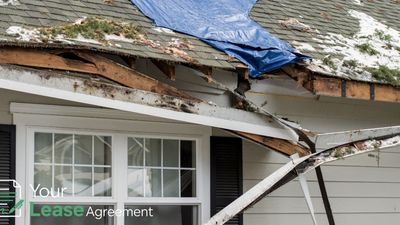
My Tenant Damaged My Property: A Landlord's Step-by-Step Guide
Discovering that a tenant has damaged your rental property is one of the more frustrating situations a landlord faces. The emotional reaction is understandable. The financial exposure is real. But how a landlord handles the situation from the moment they discover the damage determines whether they recover their losses or end up worse off than if they had done nothing at all...