
Normal Wear and Tear vs Damage: What a Landlord Can Legally Deduct

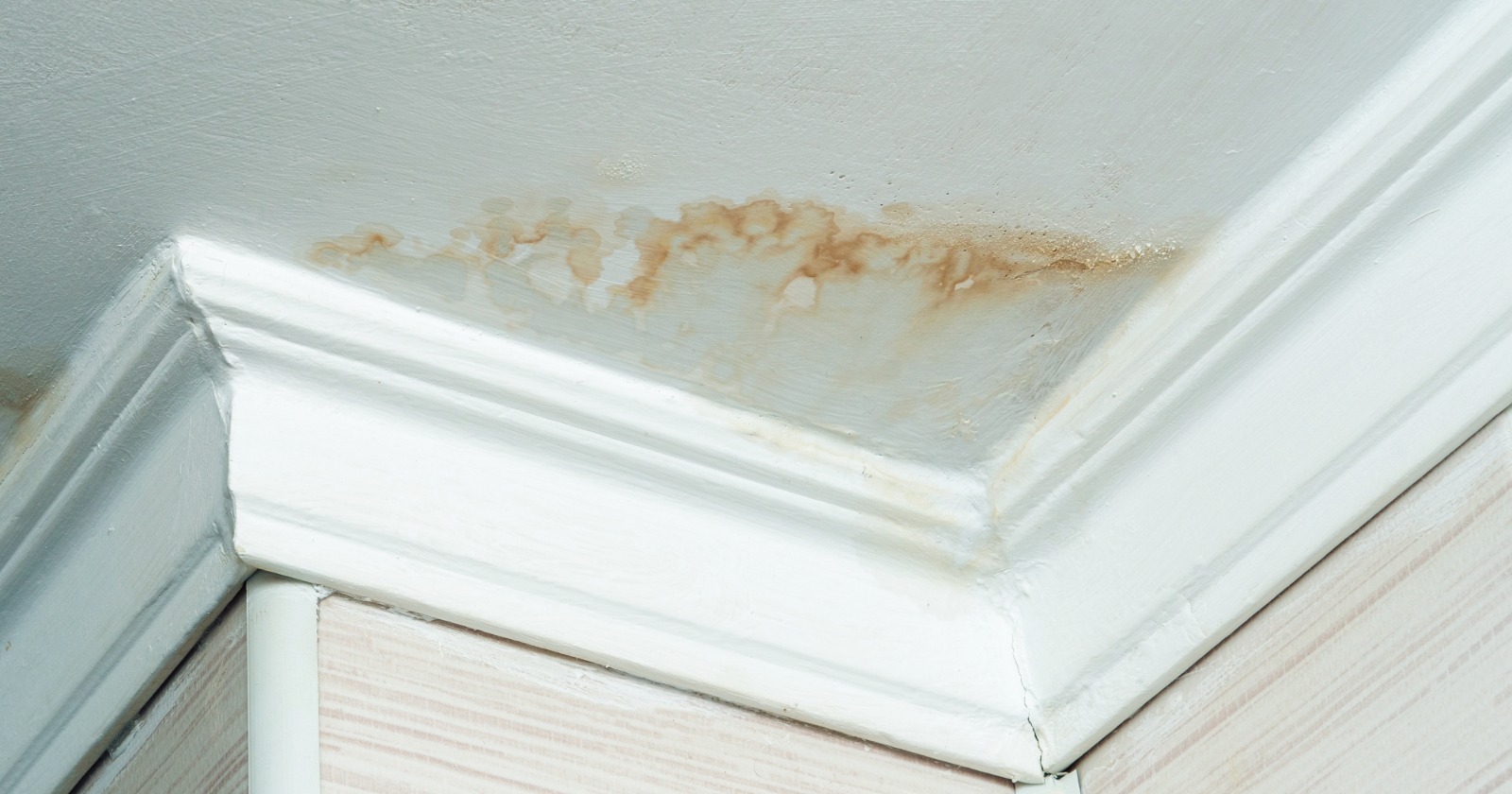
Normal wear and tear is the deterioration that happens to a rental unit through ordinary daily living, and a landlord cannot charge you for it. Damage, by contrast, results from negligence, carelessness, accident, or abuse, and it is fair game for a deposit deduction. Almost every deposit dispute comes down to which side of that line a given problem falls on. Once you understand where the line sits, you can walk through your unit at move-out with a clear idea of what you actually owe.
What Counts as Normal Wear and Tear
Normal wear and tear is the gradual, expected decline that occurs when someone lives in a space and uses it as intended. Faded paint from sunlight, minor scuffs on the walls, small nail holes from hanging pictures, lightly worn carpet in walkways, and loose grout are all typical examples. None of these come from misuse. They come from time and ordinary occupancy. The test is not whether the unit looks brand new when you leave, because no lived-in space does. The test is whether the wear reflects reasonable use over the length of your tenancy. A two-year tenancy will naturally show more wear than a six-month one, and courts generally expect landlords to account for that.
The federal Department of Housing and Urban Development (HUD) draws the same distinction in its own guidance. It treats the routine cleaning and repair needed to make a unit ready for the next tenant as a cost of doing business, not something a departing tenant should pay for. In other words, a landlord is expected to absorb the ordinary refresh between tenancies. Your deposit is not meant to fund it.
What Counts as Tenant Damage
Damage is harm that goes beyond ordinary use. Large holes in the wall, a red wine stain soaked into new carpet, a cracked bathroom sink, a door pulled off its hinges, pet urine that has ruined the flooring, or burns on a countertop all point to negligence or abuse rather than everyday living. HUD ties deductions to damage caused by a tenant's negligence or abuse, which is a useful test. If a reasonable person would say the problem came from carelessness or a specific act rather than the simple passage of time, it is likely damage.
The distinction is not always about size. A single small nail hole is wear and tear, but dozens of anchor bolts sunk into the drywall for heavy shelving can cross into damage. A faded patch of paint is expected, but a wall painted bright purple without permission is a repair the landlord did not sign up for. Intent and cause matter more than the price of the fix. A scratch that appears because a floor was walked on for a year reads very differently from a scratch gouged by dragging furniture across a room, even if the two look similar in a photo.
A Room by Room Look
Walls and paint are the most common battleground. Small scuffs, nail holes, and faded color are wear and tear. Crayon murals, unapproved paint colors, and gouges are damage. In the kitchen, worn appliance finishes and a slightly loose cabinet handle are ordinary, while a burned countertop, a broken oven door, or a refrigerator shelf snapped off through rough handling are not.
In the bathroom, a toilet seat that has loosened over time and grout that has dulled are wear and tear. A cracked tile, a chipped tub from a dropped object, or mildew allowed to spread from never running the fan can be charged back. For flooring, traffic patterns and mild carpet fading are expected, but pet stains, deep scratches gouged into hardwood, and tears are tenant damage. Doors and windows follow the same logic. A sticky latch is ordinary; a shattered pane or a door kicked in is not.
The Landlord's Burden to Itemize
A landlord cannot simply keep your deposit and stay silent. Nearly every state requires the landlord to return your deposit within a set number of days after you move out, along with an itemized written statement of any deductions. That statement should list each repair, the reason for it, and the amount. Vague entries such as cleaning and repairs with a lump sum rarely hold up if you challenge them.
This is where your own records matter. Dated move-in and move-out photos, a signed condition checklist, and copies of any repair requests you sent during the tenancy are your strongest defense. If a landlord claims you damaged something that a photo shows was already worn at move-in, the itemized statement works in your favor rather than theirs. A clear written lease agreement that spells out condition expectations at the start makes this far easier to resolve later.
Depreciation and Useful Life
Even when a tenant genuinely damages something, the landlord is usually not entitled to the full replacement cost of a brand new item. Most fixtures have a useful life, and their value depreciates over time. Charging a departing tenant the full price of a new carpet to replace one that was already several years old would hand the landlord an upgrade at the tenant's expense.
HUD illustrates this with a carpet example. If a carpet has a five year life expectancy and a tenant ruins it after the carpet has already been in place for two years, the tenant should be charged for the remaining life, not the whole thing. A landlord who wants to bill you the entire cost of a replacement is often overreaching. Ask how old the item was and whether depreciation was applied. That single question resolves a large share of deposit disputes before they ever reach small claims court.
Understanding this line protects both sides. As a tenant, you are not on the hook for the ordinary marks of living somewhere. As a landlord, you can fairly recover the cost of real harm. Document the condition at both ends of the tenancy, keep deductions itemized and honest, and most disputes never happen at all.
Sources
Frequently Asked Questions
Can a landlord charge me for repainting the walls?
Not for ordinary repainting. Faded paint and minor scuffs are normal wear and tear that a landlord is expected to cover between tenants. You can be charged only if you painted without permission, left large holes, or damaged the walls beyond ordinary use, and even then depreciation on the paint's age should be considered.
Is worn carpet considered damage?
Carpet that is simply worn in walkways or lightly faded is normal wear and tear. Carpet with pet stains, burns, deep tears, or soaked-in stains is damage. If a landlord replaces damaged carpet, they should charge only for the remaining useful life of that carpet, not the full price of a new one.
What can I do if I think a deposit deduction is unfair?
First request the itemized written statement your state requires and compare it against your move-in and move-out photos. If a charge covers normal wear and tear or ignores depreciation, dispute it in writing. If the landlord will not adjust it, small claims court is the usual next step, and your dated records are your best evidence.
Jill Stradley covers landlord-tenant law, lease agreements, and the fine print that renters and landlords skip until something goes wrong. Her goal is to make state-specific rental law readable for people who aren't lawyers and don't want to become one. She lives in a rental herself and considers that a professional asset.
View all posts →Create Your Lease Agreement
Need a lease agreement? Create one now for $7.99 - state-specific and professionally formatted.
Get Started - $7.99