
Renting Out a Basement Apartment
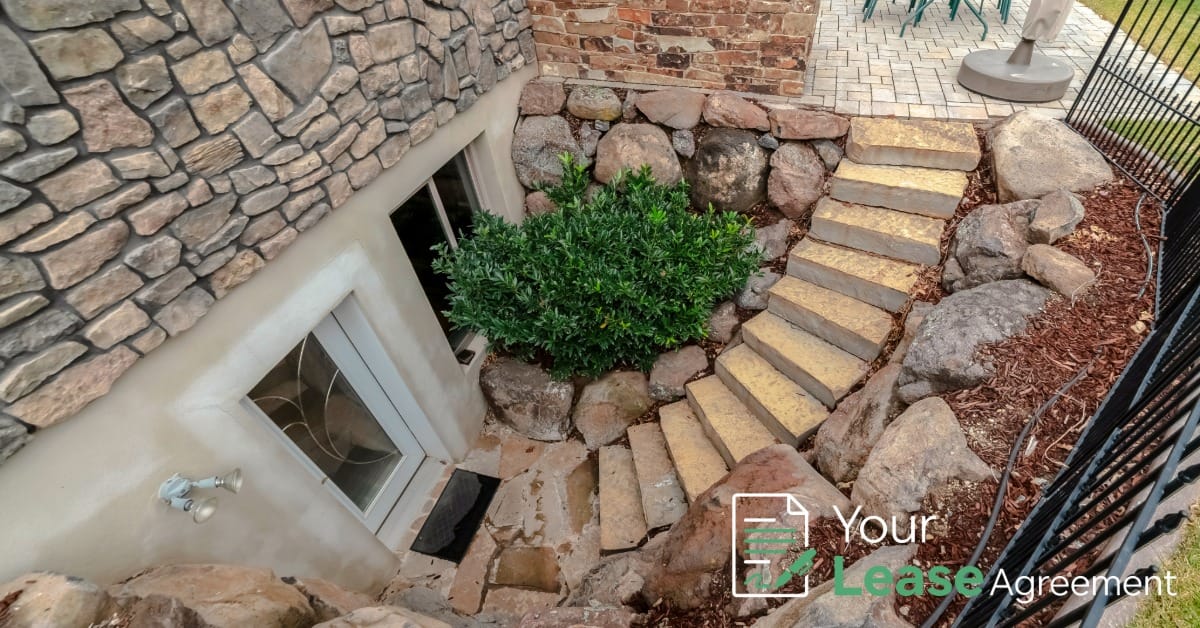
A basement rental is the best return-per-square-foot most homeowners will ever see. It is also the part of your house with the strictest code requirements. Here is how to do it cleanly.
Step 1: Confirm it is a legal rental
Before you write a listing, find out whether your jurisdiction allows the basement to be rented at all. Three things to check:
- Zoning. Some single-family zones do not permit a second dwelling unit. Others allow it as an accessory dwelling unit (ADU) with permits.
- Building code. Egress, ceiling height (typically 7 feet minimum), and separate-entrance rules vary by state and city.
- Registration or permit. Many cities now require landlords to register rental units, get a certificate of occupancy, or pass a basic inspection before renting.
A 30-minute call to your local building department saves you from advertising a unit you cannot legally rent.
Step 2: Hit the safety basics
These are the items that come up in nearly every state and that landlords most often miss:
- Egress window or door in every basement bedroom. The opening has to be big enough for an adult to climb out and a firefighter to climb in. Window wells need a ladder if deep.
- Smoke detectors in every bedroom and on every level, hardwired with battery backup in newer construction.
- Carbon monoxide detectors on every level with a fuel-burning appliance and outside sleeping areas.
- GFCI outlets in bathrooms, kitchens, and any outlet within 6 feet of a sink.
- Stair handrails and adequate lighting on the basement stairs.
- Posted address visible from the street so emergency services find the right entrance.
Step 3: Pick the right lease type
The decision is really about how separate the unit is from the rest of your home.
Use a Room Rental Agreement when the tenant shares any space
If the basement does not have its own kitchen, the tenant uses your laundry, the bathroom is shared, or there is a single entry to the house, this is a roommate situation in legal terms. A Room Rental Agreement covers shared-space rules: quiet hours, guest policy, kitchen use, common area cleaning, and what utilities are bundled in.
Use a Residential Lease when the basement is a true separate unit
If there is a separate entrance, full kitchen, full bathroom, and the tenant never has to walk through your living space, treat it as a standalone apartment. A Residential Lease Agreement is the right document. The tenant's privacy expectations are higher and the lease should reflect that.
Step 4: Decide how to handle utilities
You usually have three workable options. Pick one before the listing goes up.
- Bundled. Rent includes all utilities. Easy to advertise, but you absorb price spikes. Best when usage is hard to separate.
- Flat add-on. Rent plus a fixed monthly utilities charge based on a reasonable estimate. Adjust at lease renewal, not mid-term.
- Sub-metering. Install a separate electric sub-meter and bill actual usage. Fairest but requires upfront cost and metered billing each month.
Whichever you pick, write it into the lease. "We'll figure it out" is the most expensive utility plan ever invented.
Step 5: Insurance and tax
Two calls to make before move-in:
- Your insurer. Ask whether you need a landlord endorsement or a separate rider for the rented unit. A standard homeowner's policy often excludes liability for paying tenants.
- A tax pro. Renting part of your primary residence changes how you report income and what you can deduct. The percentage of the home rented matters for utilities, depreciation, and (if you ever sell) the capital-gains exclusion on your home.
Step 6: Set the rent
Use our Fair Market Rent Lookup to see HUD's baseline for your county and bedroom count. Compare against local listings for basement and ADU units. Adjust for whether utilities are bundled, parking, private entrance, and amount of natural light.
Need to screen applicants? Run the income through our Rent-to-Income Qualifier for a quick approve, borderline, or decline call using the standard 3x rule.
Bottom line
Get the code stuff right, pick the lease type that matches the level of separation, and write down the utilities plan before anyone signs. The basement rental that turns into a problem is almost always one that skipped one of those three.