
Normal Wear and Tear vs Damage: What a Landlord Can Deduct
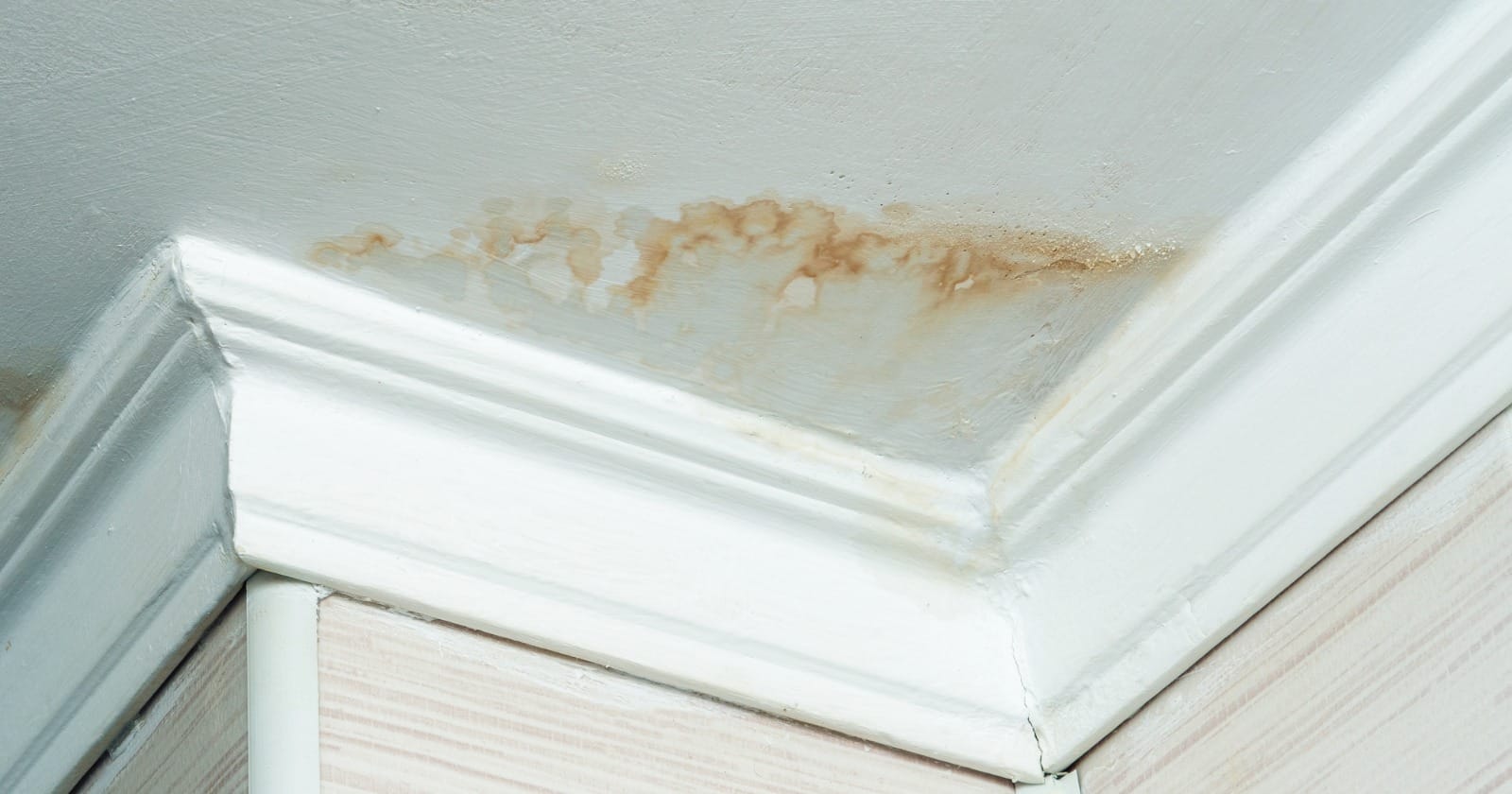
Almost every security-deposit dispute comes down to one question: is this normal wear and tear, which the landlord absorbs, or damage, which the tenant pays for? The law draws a line, and a landlord who deducts on the wrong side of it can owe penalties. Knowing where the line sits protects both parties.
The basic rule
A landlord may deduct from the security deposit for damage beyond normal wear and tear, unpaid rent, and (where the lease and state allow) cleaning beyond ordinary turnover. A landlord may not deduct for the ordinary deterioration that comes from a tenant simply living in the unit. The deposit is not a fund for upgrades or routine maintenance.
Normal wear and tear (landlord's cost)
- Carpet worn or matted in walkways and high-traffic areas
- Faded or slightly scuffed paint and minor marks on walls
- A reasonable number of small nail or pin holes from hanging pictures
- Loose grout, worn finishes, or lightly worn countertops
- Faded curtains or minor wear on blinds from sun exposure
- Minor scuffs on floors from normal furniture use
Damage (tenant's cost)
- Burns, large stains, or pet urine soaked into carpet or padding
- Holes in walls beyond small nail holes, or unapproved paint colors
- Broken windows, doors, fixtures, or appliances
- Missing fixtures, blinds, or smoke detectors
- Cracked tile, gouged or warped flooring from spills left to sit
- Excessive filth or trash left behind beyond ordinary cleaning
Depreciation: why you cannot charge for a brand-new replacement
Even when there is real damage, a landlord usually cannot charge the full cost of a new item. Carpet, paint, and appliances have a useful life. If a tenant destroys a carpet that was already partway through its life, the landlord can recover only the remaining value, not the price of a brand-new carpet. Charging full replacement for a worn item is a common way deductions get reversed in court.
How a landlord makes deductions stick
- Document condition at move-in with a signed inspection report and dated photos
- Repeat the same documentation at move-out
- Send an itemized statement listing each deduction, with receipts or estimates
- Apply depreciation to anything with a useful life
- Return the balance within your state deposit deadline
For the full timeline and walkthrough rights, see our guide on the move-out walkthrough and deposit timeline.
How a tenant protects the deposit
- Photograph every room at move-in and keep the timestamps
- Note existing wear on the move-in inspection report before you sign it
- Repair small things you caused (patch nail holes, replace your own burned-out bulbs)
- Clean thoroughly and take dated move-out photos
- Provide a forwarding address in writing so the deposit and statement can reach you
When it goes to small claims
If the parties cannot agree, deposit disputes are a classic small-claims case. The side with better documentation almost always wins. A move-in inspection report, photos, the lease, and the itemized statement are the evidence that decides it. Verbal claims about how the unit looked rarely carry the day.