
Is Renters Insurance Required by Law?
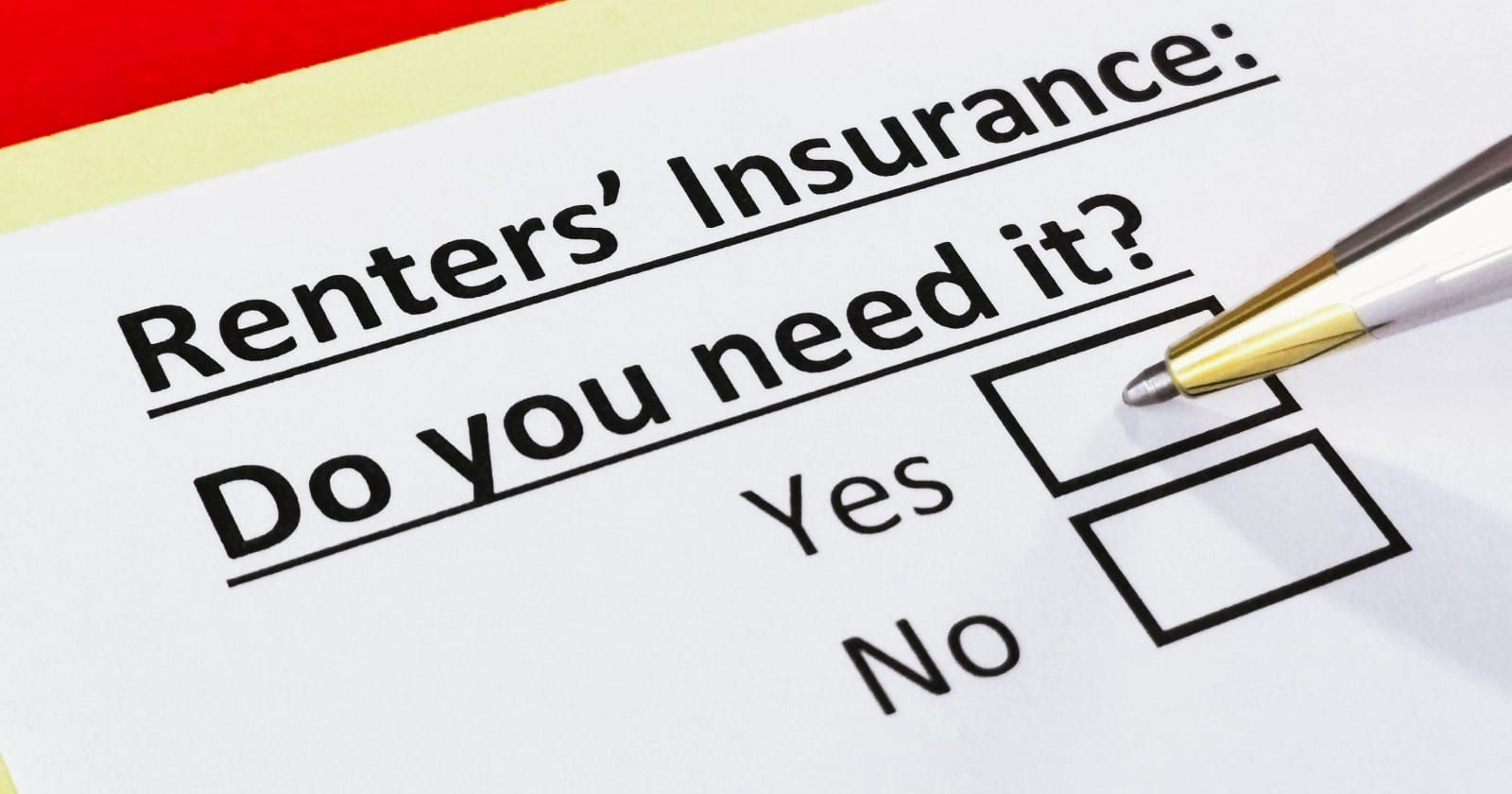
The short answer: no state forces a tenant to carry renters insurance, but your landlord almost certainly can require it in the lease. Here is the difference between a legal requirement and a lease requirement, and how to handle the clause as a landlord or a tenant.
See your state's lease rules
No state mandates renters insurance, but your state does set the deposit caps, late-fee limits, and notice rules that govern the rest of the lease. Pick your state to see them, then build a lease with a clear insurance clause.
Required by the government vs required by the landlord
There is no statute in any state that orders tenants to buy renters insurance. So if you are asking whether the law forces it, the answer is no. But that is not the whole story. A landlord is free to make renters insurance a condition of renting, and once it is written into the lease, it is enforceable like any other term you agreed to. In practice, more and more landlords require it, so most tenants encounter it as a lease requirement rather than a legal one.
What renters insurance covers
- Personal property. Your belongings, if they are stolen or destroyed by a covered event such as fire, smoke, or certain water damage.
- Liability. If a guest is injured in your unit, or you accidentally cause damage, up to the policy limit.
- Loss of use. Temporary living expenses if the unit becomes uninhabitable after a covered loss.
What it does not cover is the building itself. That is the landlord's insurance, and the landlord's policy does nothing for your possessions. If a burst pipe ruins your furniture, the landlord's coverage pays you nothing. That gap is the whole reason renters insurance exists.
For landlords: writing the clause
If you want to require renters insurance, say so clearly in the lease: state a minimum liability limit (commonly $100,000 to $300,000), require proof of an active policy at move-in and renewal, and ask to be named as an "additional interest" so your tenant's insurer notifies you if coverage lapses. Do not dictate a specific insurer or a personal-property amount; that is the tenant's choice. A clean clause prevents the "I thought you had insurance" conversation after a loss.
For tenants: complying without overpaying
If your lease requires it, you need it, and a basic policy is usually inexpensive. Meet the liability minimum the lease sets, choose a personal-property amount that reflects what your belongings are actually worth, and send proof at renewal so you never fall out of compliance. Letting a required policy lapse is a lease violation, even though insurance itself is not legally mandated.
Renters insurance: lease checklist
Print this whether you are the landlord writing the clause or the tenant complying with it. Clear terms now prevent a fight after a fire or a flood.
If you are the landlord
- State whether renters insurance is required as a lease condition
- Set a minimum liability limit (commonly $100,000 to $300,000)
- Require proof of an active policy at move-in and at renewal
- Ask to be named as an additional interest for lapse notifications
- Do not dictate the insurer or the tenant's personal-property amount
If you are the tenant
- Confirm whether the lease requires insurance and at what liability limit
- Choose a personal-property amount that matches your belongings' value
- Buy a policy that meets or exceeds the lease minimum
- Send proof of coverage at move-in and keep it active all term
- Re-send proof at renewal so you never fall out of compliance
General guidance, not legal or insurance advice. No state mandates renters insurance; lease terms and coverage details vary.
Common mistakes to avoid
- Assuming the landlord's insurance covers your belongings (it does not)
- Believing renters insurance is legally required (it is not, but the lease can require it)
- As a landlord, requiring insurance verbally instead of in the lease
- Letting a required policy lapse mid-lease and breaching the lease
- Buying far more personal-property coverage than your belongings are worth