
State Guides
33 articles in this category

South Carolina Lease Agreement Requirements: What to Include
A South Carolina lease is governed by the state Residential Landlord and Tenant Act, which sets specific rules for deposits, disclosures, and notice. This guide explains what to include so your lease matches South Carolina law.

Florida Sublease Agreement: What to Include and the Rules
Florida does not give renters an automatic right to sublet, so your lease controls. If the lease requires landlord consent, you need it. Here is what a Florida sublease should include and why you stay responsible.

New York Sublease Agreement: The Rules Tenants and Landlords Must Know
New York gives many tenants a statutory right to sublease, but that right comes with a precise procedure. This guide explains Real Property Law 226-b, the consent rules, the written request steps, and why the original tenant stays on the hook.

Texas Sublease Agreement: What to Put in Writing
Texas law does not let a tenant sublet on a whim. You generally need your landlord's written consent first, and you stay on the hook for the original lease. Here is what a Texas sublease should spell out.
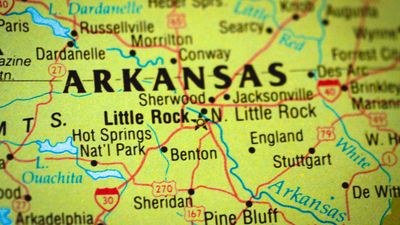
Arkansas Lease Agreement Requirements: What Landlords Must Include
Arkansas treats landlords and tenants differently than most states, and a few of those differences show up directly in the lease. This guide walks through the deposit cap, the small-landlord exemption, disclosures, and notice periods so your Arkansas lease holds up.

Washington DC Month-to-Month Lease: Notice and the Rules Landlords Miss
A DC month-to-month tenancy is not the easy off-ramp landlords expect. The 30-day notice is only half the story, because DC generally requires a legal for-cause reason to end even a month-to-month arrangement. Here is what trips owners up.
Florida's Radon Disclosure: What Every Lease Must Say
Florida law requires most rental agreements to include a specific radon gas notice, with wording set by statute. It is a short paragraph, but leaving it out means your lease is missing a legally required disclosure. Here is exactly what the notice says, who it applies to, and how it fits with the federal lead-paint rule.

Are Lease Options and Rent-to-Own Agreements Legal in Texas?
Rent-to-own deals are legal in Texas, but the state regulates them more tightly than almost anywhere else. If your agreement is an executory contract for conveyance, strict disclosure and recording duties kick in. Here is what that means for sellers and buyers.

Ohio Lease Agreement Requirements: What Landlords Must Include
Ohio gives landlords more room than many states, with no statewide rent control and no cap on security deposits, but that freedom comes with specific duties that trip up landlords who assume the lack of limits means a lack of rules. Here is what an Ohio lease has to get right.

New York Lease Agreement Requirements: What Landlords Must Include
New York rewrote much of its rental rulebook with the Housing Stability and Tenant Protection Act, and the changes reach every residential lease in the state. A lease drafted from an out-of-state template or an old form can quietly violate current law, and in New York that is an expensive thing to get wrong.
NCGS § 42-14 Explained: What North Carolina's 7-Day Notice Rule Means for Landlords and Tenants
Most landlords and tenants in North Carolina assume month-to-month rentals require 30 days notice to terminate. That assumption is wrong, and it catches people off guard in both directions. The actual statutory minimum under North Carolina General Statutes § 42-14 is seven days. Not 30. Not 15. Seven days notice is all that is required to end a month-to-month tenancy in North Carolina, making it one of the shortest termination notice periods of any state in the country...

What Is the Maximum Late Fee in New York?
New York has one of the strictest late fee laws in the country. The cap is low, the grace period is mandatory, and a landlord who has been charging above the limit on every late payment has been collecting illegal fees that a tenant can demand back. If you are a landlord in New York and you have not checked your lease against the current statute, it is worth doing before the next late payment arrives...